Introducing National Museum of China
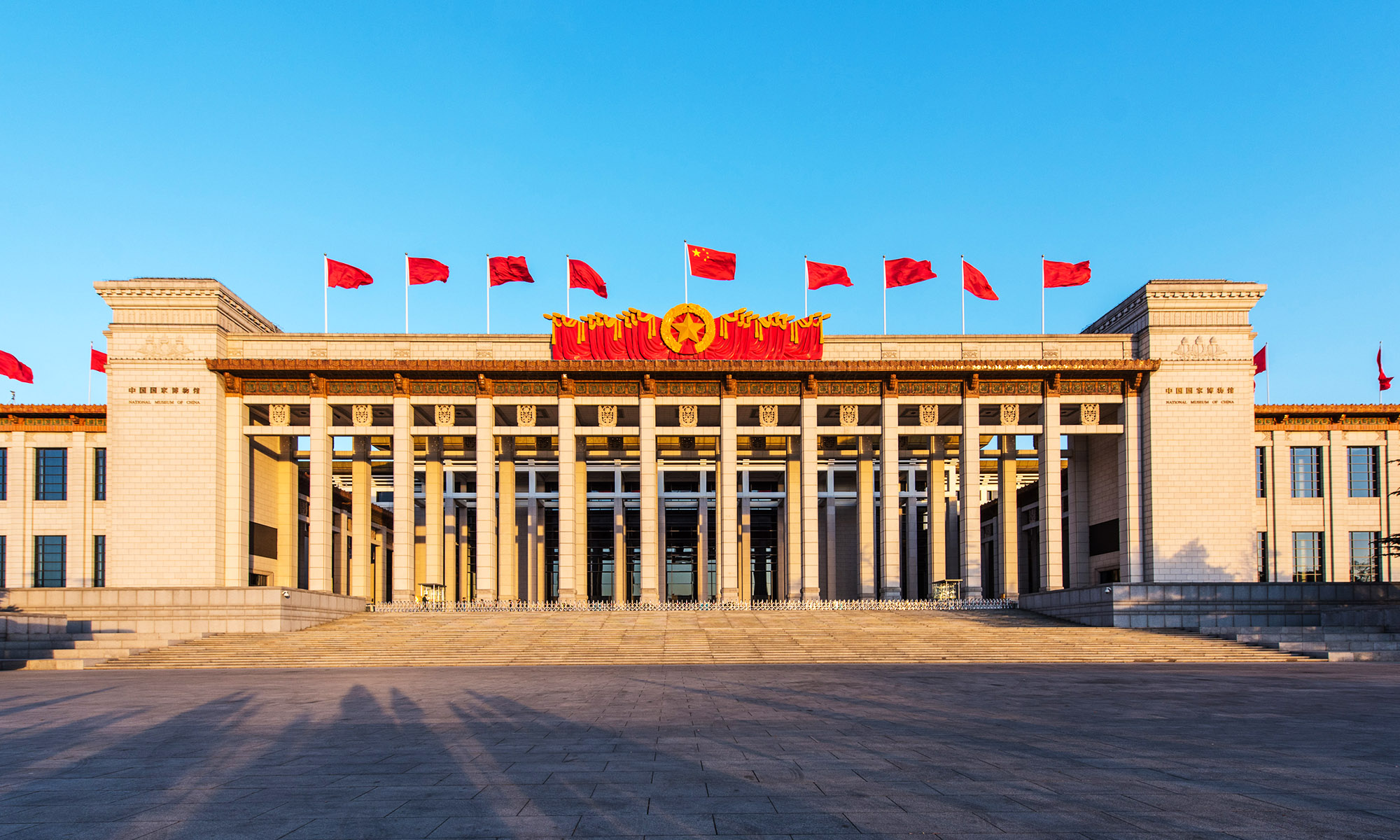
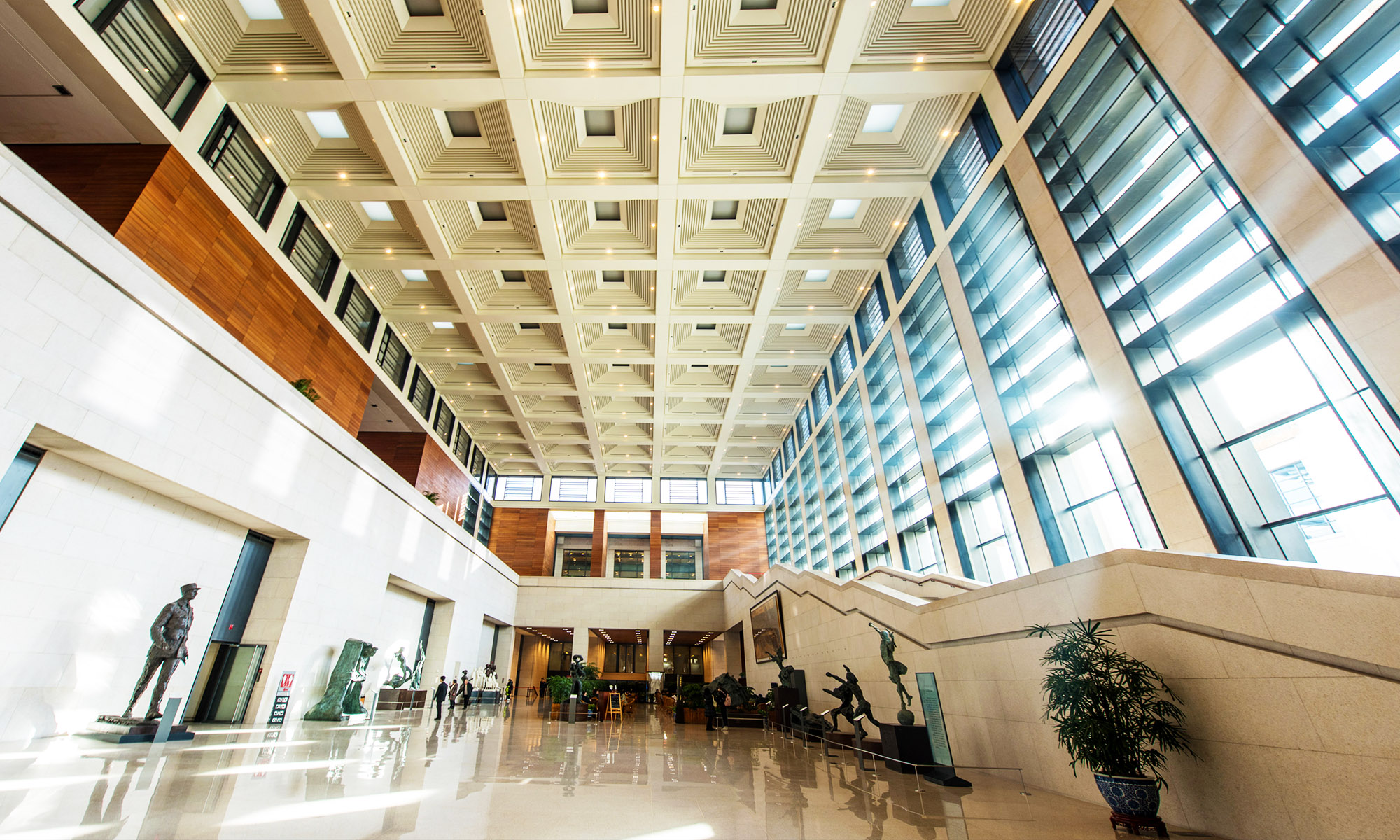
Comparé au temple ancestral de la culture chinoise, le Musée national de Chine est le palais suprême de l'histoire et de l'art en Chine, présentant l'excellente culture traditionnelle chinoise, la culture révolutionnaire et la culture socialiste avancée. Il abrite plus de 1.4 millions d'objets en tant qu'incarnation et témoins de la brillante civilisation chinoise de 5000 ans.
Faits rapides sur le Musée national de Chine
• Nom Chinois: Zhongguo Guojia Bowuguan 中国国家博物馆
• Meilleure période pour visiter: Tout au long de l'année
• Heures de visite recommandées: Environ 2 à 3 heures
• Activités à faire: Photographie, Culture et Histoire Chinoises
• Heures d'ouverture: Mardi à Dimanche 09:00-17:00
• Frais d'entrée: Gratuit
• Adresse: No.16, avenue Est Chang’an, District de Dongcheng, Pékin
À quoi s'attendre au Musée national de Chine
Le Musée national de Chine, un bâtiment principal à quatre étages avec deux ailes symétriques, s'étend sur plus de 300 mètres du nord au sud le long du côté est de la place Tian’anmen. Les prédécesseurs du Musée national sont deux musées: le Musée d'Histoire de la Chine et le Musée de la Révolution chinoise, qui partageaient le même complexe de bâtiments. Le bâtiment était l'une des dix architectures célèbres construites 1959 pour marquer le 10e anniversaire de la fondation de la République populaire. Le Musée d'Histoire de la Chine se trouvait dans l'aile sud tandis que l'aile nord abritait le Musée de la Révolution chinoise. Ils ont tous deux été ouverts au public en 1961.
Le Musée d'Histoire de la Chine présente trois grandes périodes de l'histoire chinoise. La première, la Société Primitive, s'étend de 500 000 av. J.-C. à 4 000 av. J.-C.. Les expositions de la section Société Esclave couvrent la période de 2 100 av. J.-C. à 475 av. J.-C. et les expositions de la Société Féodale se concentrent sur la période de 221 av. J.-C. à 1911.
Beaucoup des objets exposés sont des trésors nationaux et des raretés précieuses. Examples include the famous fossil remains of Yuanmo Man and Beijing Man, the remarkable painted pottery and jade wares of the Neolithic Age, the Simuwu Rectangle Ding (a kind of vessel) of the Shang Dynasty (cast over 3, 000 years ago and weighing 832. 84kg — the heaviest ancient bronze ware in the world), the Shang Dynasty square bronze Zun (wine vessel) decorated with four sheep heads and the large inscribed Western Zhou Dynasty (11th century BC – 771av. J.-C.) bronze Pan (water container). Such treasures as these depict the rich and disparate evolution of the Chinese civilization.
The Museum of the Chinese Revolution emphasizes the history of the past 150 ans, in particular the history of the Communist Party of China. It is divided into three sections.The exhibits in the Old Democratic Revolution section cover the period from 1840 à 1911. Events between 1911 et 1949 fall into the New Democratic Revolution section. The third section is entitled “The Triumph of the Revolution and the Establishment of Socialism” and covers events after 1949.
Much of China’s modern history is exhibited, including the founding of the Chinese Communist Party (1919-1921), the first two civil wars (1924-1927 et 1927-1937), the resistance war against Japanese aggression (1937-1945) and the liberation war (1945-1949). The museum is frequently updated to reflect the developments of modern political history.
How to get to National Museum of China
En Bus
• Prenez le bus n°. 1, 2, 52, 82, 120, Sightseeing Line 2, Ligne de bus touristique 1 ou 2, and get off at Tiananmen Dong Station.
En métro
• Prenez la ligne de métro 1 to Tiananmen Dong Station(Exit C or D).
Additional travel advice on National Museum of China
• Le musée est fermé le lundi à l'exception des jours fériés chinois.
• Please book the ticket on day prior to the visit date at least at official website (http://ticket.chnmuseum.cn) avec les informations de votre passeport.
• Le musée délivre 3,000 des billets gratuits par jour.
• Gardez votre passeport sur vous pour récupérer le billet.
• Photography is permitted but using flash, selfie stick or tripod is prohibited.