Introducing Baisha Village
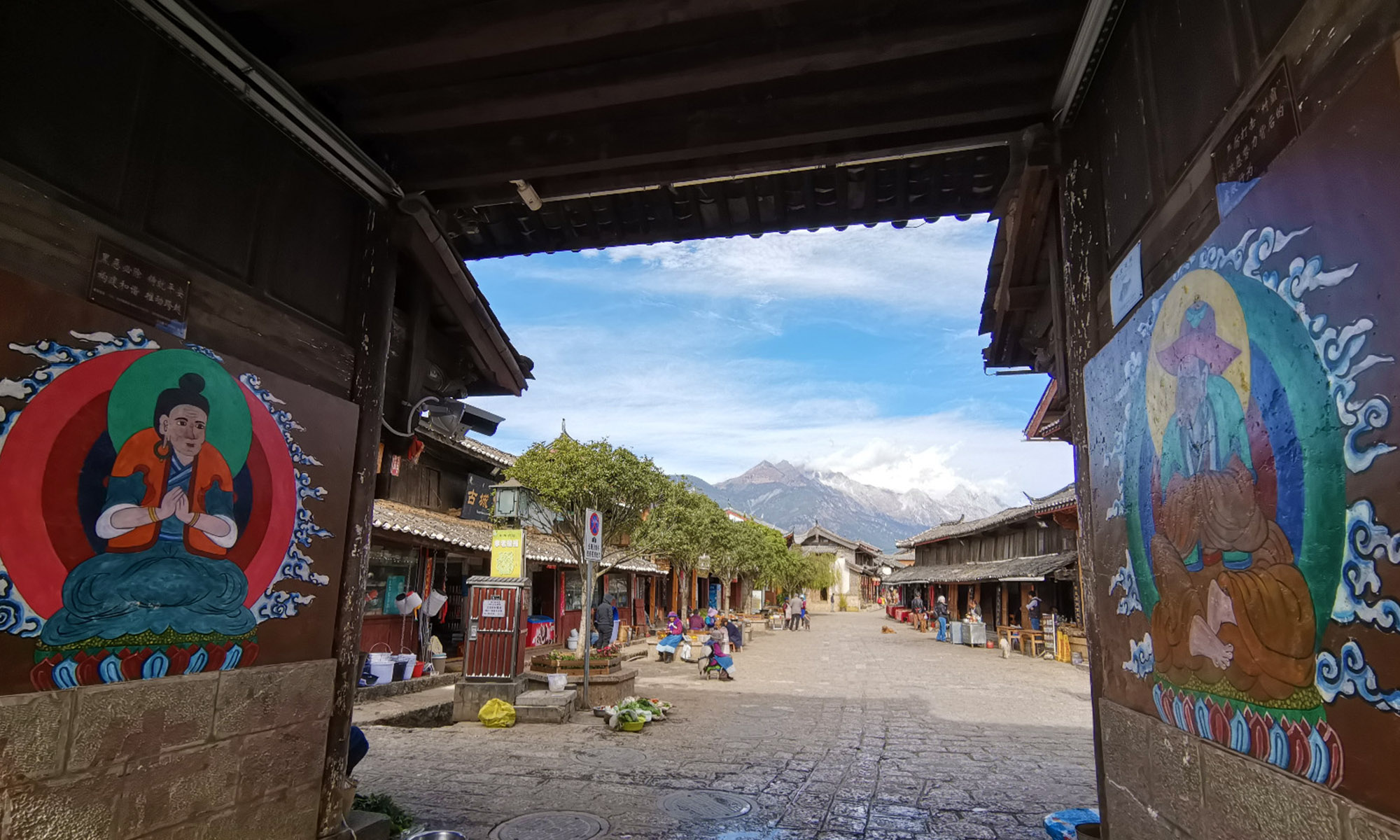
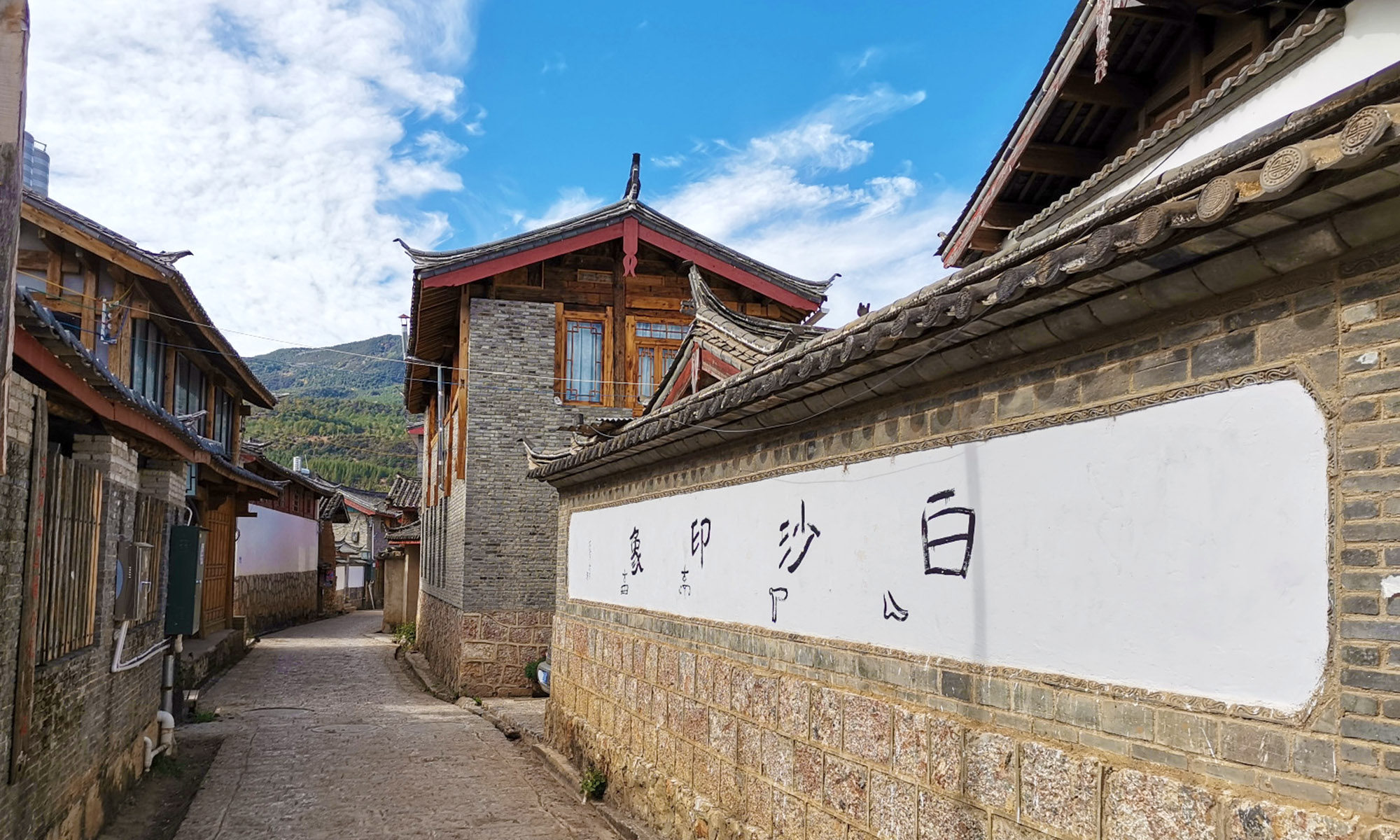
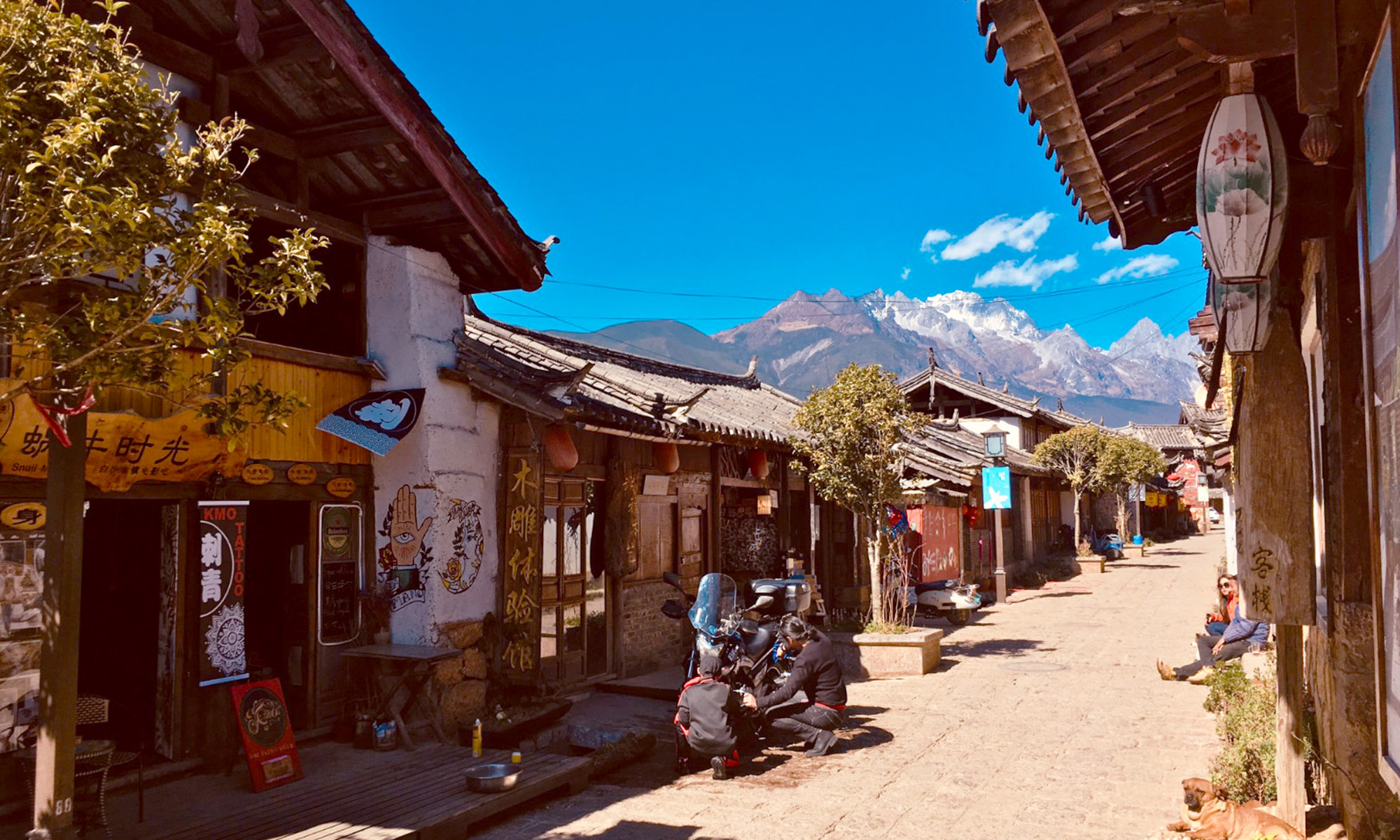
En tant que composant du site du patrimoine mondial 'Vieille ville de Lijiang', Le village de Lijiang Baisha est situé au pied du mont enneigé Yulong, 10 km de la vieille ville de Lijiang. Le village de Lijiang Baisha est la patrie de la famille Mu, la première famille de Lijiang. À Lijiang Baisha, de nombreuses architectures et sites culturels Naxi bien conservés.
Faits rapides sur le village de Baisha
• Nom Chinois: Bai Sha Gu Zhen 白沙古镇
• Meilleure période pour visiter: D'avril à octobre
• Heures de visite recommandées: Environ 2 à 3 heures
• Activités à faire: Photographie, Architecture, Fresques, Culture Naxi
• Heures d'ouverture: Toute la journée
• Frais d'entrée: Gratuit; CNY 30 pour les fresques de Baisha
• Adresse: Comté autonome Naxi de Yulong, Lijiang, Yunnan
À quoi s'attendre au village de Baisha
La vieille ville de Baisha était le centre politique,, commercial et culturel pour les Naxi locaux et d'autres groupes ethniques pendant 400 des années depuis l'année 658 ap. J.-C. jusqu'à 1107 ap. J.-C.. Le palais Dabaoji des fresques de Baisha, très proche de l'Institut de broderie faite main Naxi de Baisha, a été construit en l'année 658 AD in the Tang Dynasty (618 ap. J.-C. jusqu'à 907 ap. J.-C.). In ancient times, the Baisha Old Town used to be the center of silk embroidery in the southwest of China and the most important place of the Ancient Southern Silk Road, also called the Ancient Tea and Horse Road or Ancient tea route.
In the central part of the village, there are a group of temples which boast access to the stunning Baisha Frescoes, of which there are only 55 still in existence. The frescoes were painted by artists from the Han, Naxi, Tibetan and Bai ethnic minorities and they are religious paintings reflecting famous stories from Buddhism, Tibetan Buddhism and Taoism.
How to get to Baisha Village
• Prendre le bus 6 from Lijiang Old town to Basha Village.
• Rent a car/bus from GGC to enjoy a hassle free private transfer from hotels in Lijiang to Baisha Village.
Additional travel advice on Baisha Village
• Veuillez mettre de la crème solaire, un chapeau et des lunettes de soleil pour éviter les coups de soleil.
• Keep the entrance ticket (receipt of maintenance fee) of the Lijiang Old Town along with you. It may be required to show the ticket when visiting the Baisha Frescoes.
• To protect the relics, do not touch or do scribbles on the frescoes. Do not use flash to take pictures.