+86-29-8964-0200
info@islamichina.com

Introducing White Horse Temple
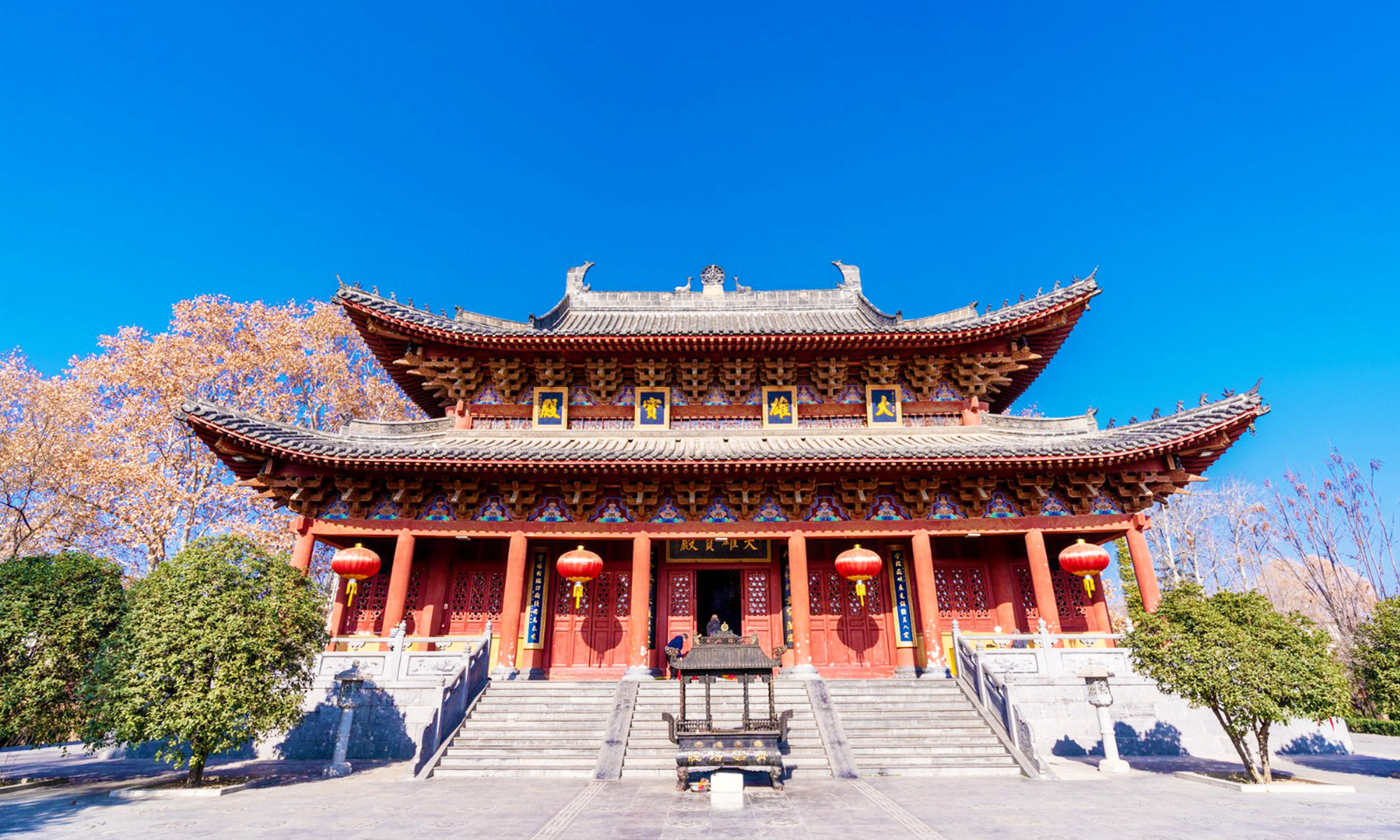
The White Horse Temple is located 12 kilometers away from the east of Luoyang City. The temple enjoys the reputation of the No.1 Ancient Temple of China. It lies on the south of Mangshan Mountain, and faces the Luohe River in the south. The construction of the White Horse Temple started in the 11th year (68) during the Yongping reign of Emperor Mingdi in the Eastern Han Dynasty (25-220). As the first Buddhist temple in China, the White Horse Temple plays a significant role in the history of Chinese Buddhism and China’s international cultural exchanges. After the founding of the People’s Republic of China, the People’s Government paid much attention to the temple and thoroughly restored it several times from 1952 to 1973. The White Horse Temple has become an attraction to domestic and foreign tourists.
Beyaz At Tapınağı Hızlı Bilgiler
• Çince Adı: Bai Ma Si 白马寺
• Ziyaret İçin En İyi Zaman: Mart'tan Kasım'a
• Tavsiye Edilen Ziyaret Saatleri: Saat 1 to 2 saat
• Yapılacak Şeyler: Fotoğrafçılık, Budizm Kültürü ve Çalışmaları
• Çalışma Saatleri: 07:30-19:00
• Giriş Ücreti: CNY 50
• Adres: Hayır. 6 Luobai Yolu, Luolong Bölgesi, Luoyang, Henan Eyaleti
Beyaz At Tapınağı'nda Neler Beklenir
Beyaz At Tapınağı'nın tarihi 1900 yıllar. Beyaz At Tapınağı, Budizm Çin'e Yayılmaya Başladığında Han Hanedanlığı Döneminde İnşa Edilen İlk Tapınaktır (206M.Ö. 220 - M.S. 220). Tarihsel kayıtlara göre, Doğu Han Hanedanlığı İmparatoru Mingdi, avlunun üzerinde uçan bir altın adam gördüğü bir rüya görmüştür. Uyandıktan sonra, İmparator, Cai Yin ve Qin Jing'i batı bölgelere elçi olarak göndererek Buddha'yı davet etmelerini ve Budizmi öğrenmelerini sağlamıştır. İki elçi birçok zorlukla karşılaşmış ve yolda iki ünlü Hintli saygıdeğer kişi She Moteng ve Zhu Falan ile karşılaşmıştır. Cai Yin ve Qin Jing, iki keşişle birlikte Luoyang Şehri'ne geri dönmüştür, and a white horse carrying the sutras. Emperor Mingdi ordered the construction of the temple to the north of the imperial road outside the Xiyong Gate of Luoyang City. The White Horse Temple, built after the style of Indian temples, was the place for She Moteng and Zhu Falan to translate Buddhist sutras and write sermons. In order to memorize the white horse for its carrying back of the sutras, the temple was named the White Horse Temple.
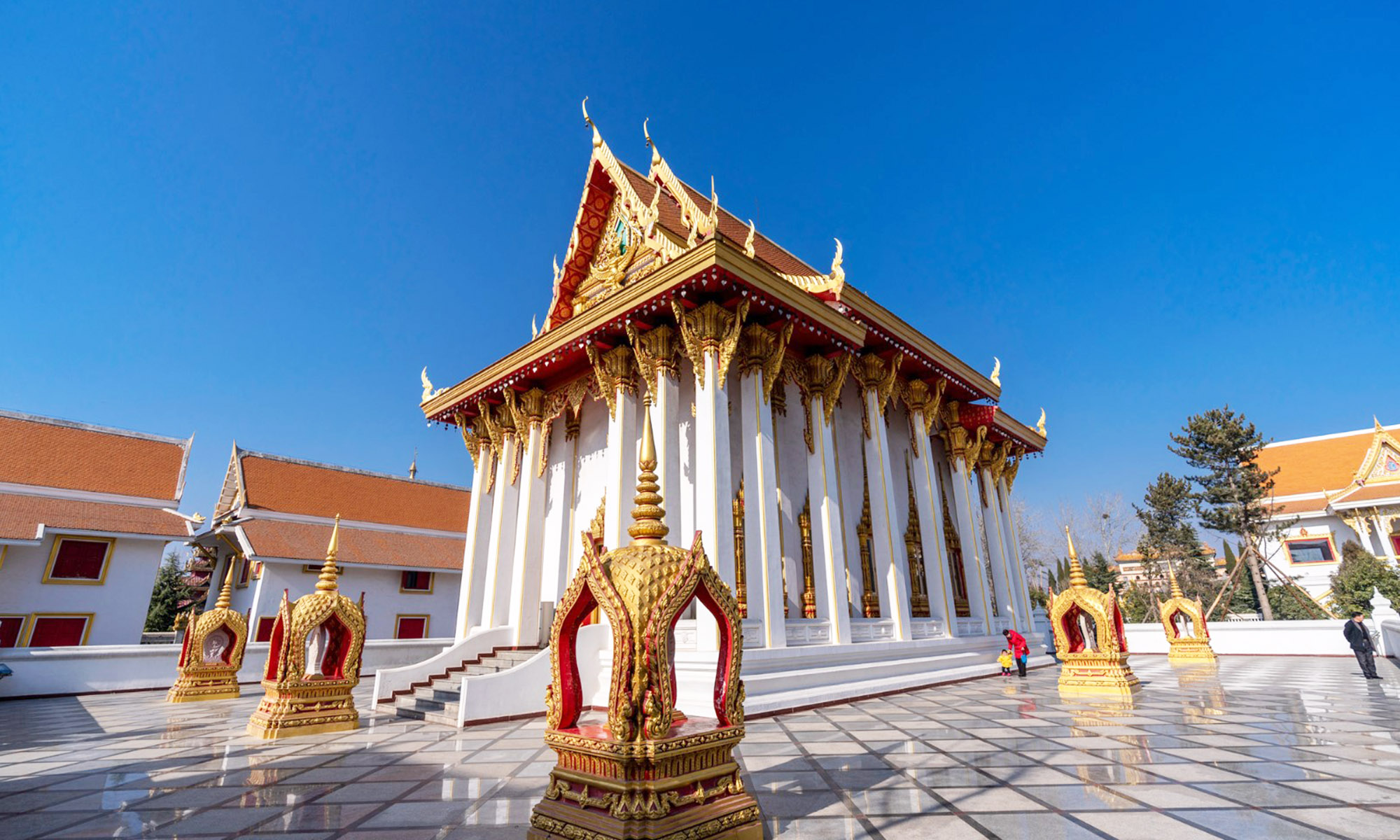
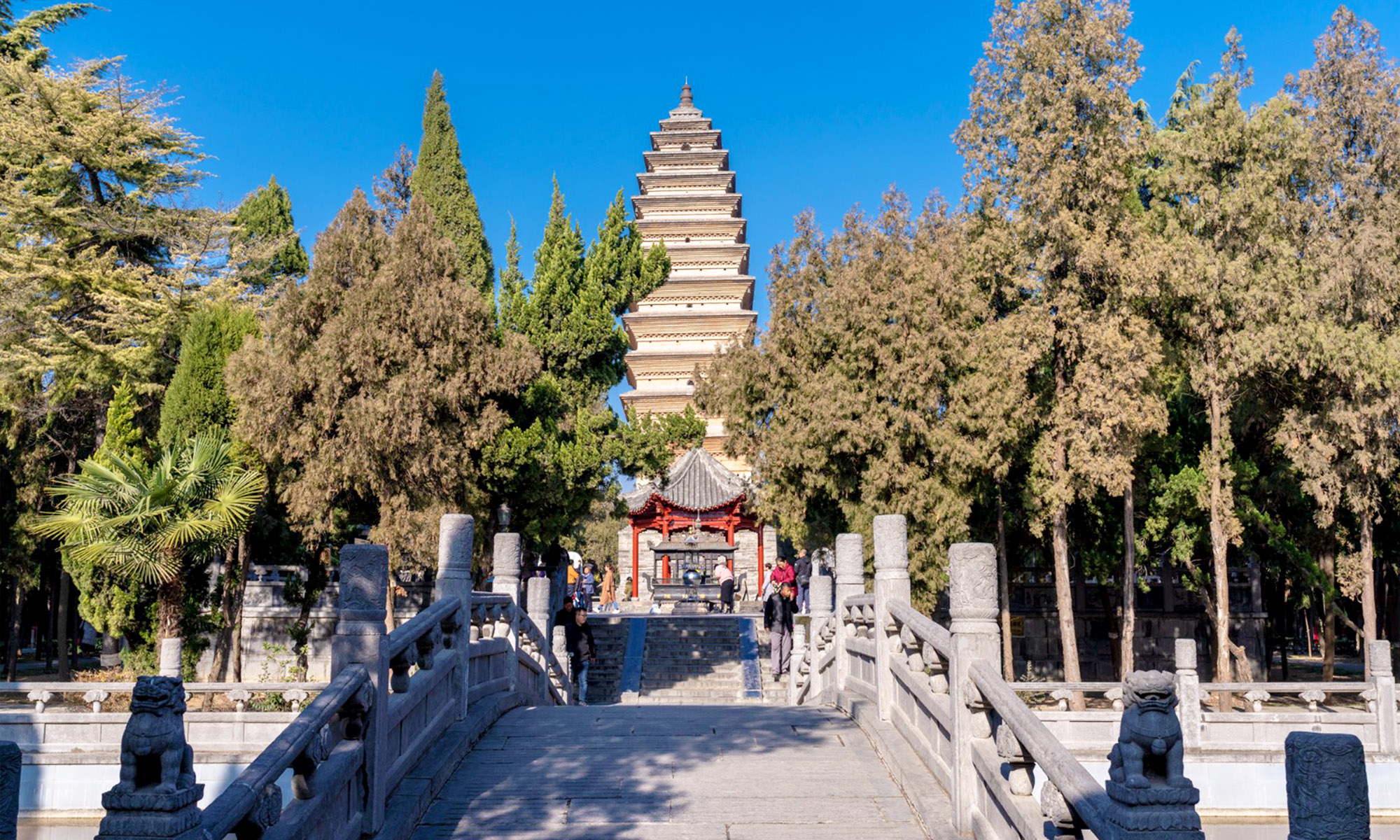
The main temple buildings, a large complex, were reconstructed during the Ming (1368 to 1644) and Qing (1644 to 1912) dynasties. They were refurbished in the 1950s, and again in March 1973. It has numerous halls divided by courtyards and manicured gardens, covering an area of about 13 hectares (32 akrel). The display plaques in Chinese and English give ample descriptions of the Buddhist deities installed in the halls. Significant statues include Śākyamuni Buddha, Maitreya (the laughing Buddha in China), the Jade Buddha, figures of saints such as Guru Avalokiteśvara, Amitābha and arhats and stone statues of the two white horses which brought the Indian monks to China and two mythical lions at the entrance.
How to get to White Horse Temple
• Take bus 56/K56, 58/K58, ya da 87 to Baimasi.
• Rent a car/bus from GGC to enjoy a hassle free private transfer from hotels in Luoyang to White Horse Temple.
Additional travel advice on White Horse Temple
• White Horse Temple is a religious site, so visitors should dress modestly and behave with good manner. Keep quiet in the temple.
• There are two stone-caved horses made in Song Dynasty outside the gate of the temple. To protect the relics, do not ride or do scribbles on the horses.