Introducing Chongqing Ciqikou
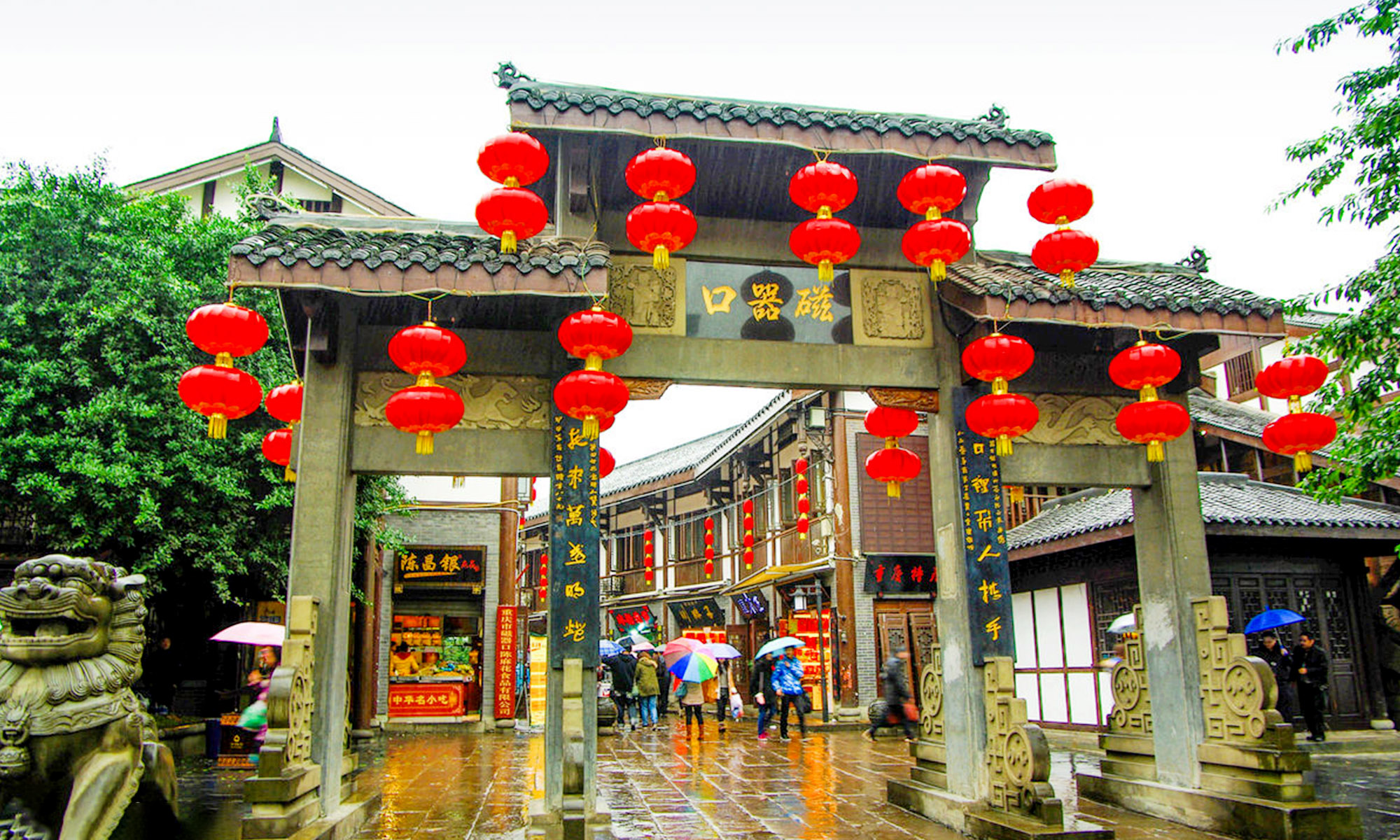
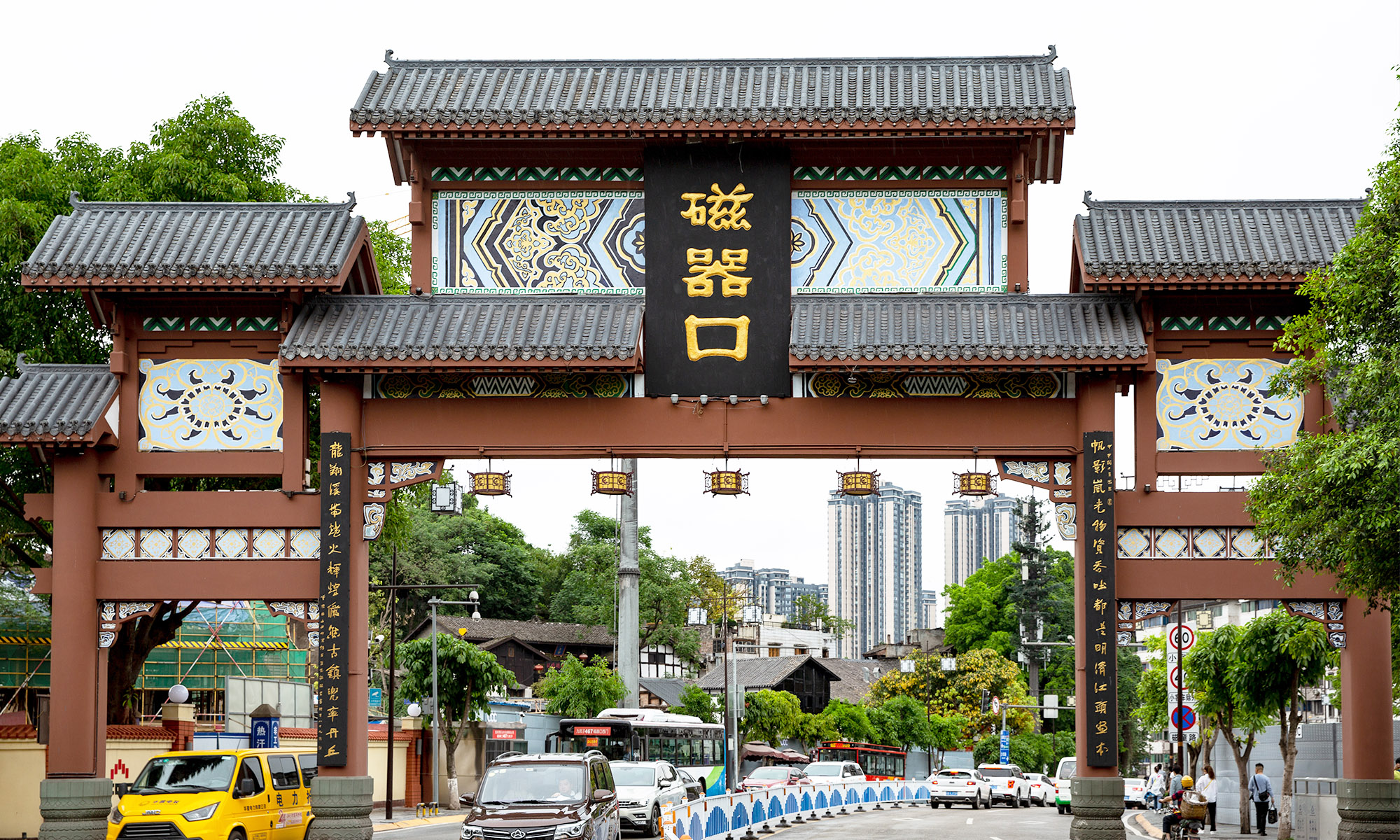
Situated on the bank of the Jialing River, not far from its confluence with the mighty Yangtze River, is the ancient town of Ciqikou, with authentic as well as restored buildings, where local residents still live in the traditional way of life. Aujourd'hui, a thousand years after its foundation, Ciqikou remains a symbol and microcosm of old Chongqing and it has preserved its ancient streets, with many tea houses, restaurants, shops for craftworks and souvenirs.
Chongqing Ciqikou Fast Facts
• Nom Chinois: Chongqing Ciqikou Guzhen 重庆磁器口古镇
• Meilleure période pour visiter: Tout au long de l'année
• Heures de visite recommandées: Environ 1 à 2 heures
• Activités à faire: Photographie, Snacks, Culture chinoise, Architecture
• Heures d'ouverture: Toute la journée
• Frais d'entrée: Gratuit
• Adresse: On the west bank of the Jialing River, Chongqing
What to expect at Chongqing Ciqikou
Chongqing itself has undergone many changes over the centuries, changes that have not been reflected in Chongqing Ciqikou with the consequence that the village conveys an impression of what Chongqing would have been like in the distant past. This fact has been recognized by the State Council and in 1998 Chongqing Ciqikou became a protected cultural site.
The history of Chongqing Ciqikou can be traced back for more than 1700 ans. During the Ming and Qing Dynasties (1368-1911), it was famous for its production of porcelain. To date, over twenty old kiln sites have been discovered there. It is because of the importance of the porcelain industry that the name has been changed from Long Yin to Ciqikou which being translated means Porcelain Village. Cependant, the village was also an important supply post for shipping on the river, un fait qui explique pourquoi il y a tant de magasins le long des douze voies pavées de grandes dalles qui forment les principales routes. Ici, vous trouverez de nombreuses boutiques d'artisanat, des épiceries et autres magasins similaires ainsi qu'un horloger, des fournitures de photographie, une pharmacie et un assortiment tentant de noix et graines rôties. Comme on peut s'y attendre, il y a aussi de nombreux salons de thé et restaurants pour accueillir les nombreux visiteurs venus découvrir un mode de vie qui a existé ici pendant tant de siècles.
La majorité des maisons date des dynasties Ming et Qing, des périodes au cours desquelles de nombreux chefs-d'œuvre de l'architecture chinoise ont été créés. Une grande partie des constructions de deux et trois étages est en bambou et en bois. Les briques et piliers bleus mettent en valeur les murs d'un blanc immaculé qui contrastent à leur tour avec les portes vermillon et les fenêtres à treillis. Des tablettes noires et des lanternes ornent les portes pour compléter l'apparence authentique et traditionnelle des propriétés. Les eaux qui coulent tranquillement de la rivière Jia Ling passent devant le village et ont été son élément vital depuis que l'on s'en souvienne. Car c'est la rivière qui apportait des marchandises et des personnes ici tout en transportant les produits locaux vers des clients à l'intérieur du pays et à l'étranger.
Comment se rendre à Chongqing Ciqikou
En Bus
• Prenez le bus n°. 209, 215, 237, 501, 503, 504 ou 805 et descendre à la station Jinbijie.
• Prenez le bus n°. 202, 220, 224, 237, 261, 467, 503, 808, ou 843 et descendre à la station Ciqikou.
En métro
• Prenez la ligne de métro 1 et descendre à la station Ciqikou.
Conseils de voyage supplémentaires sur Chongqing Ciqikou
• Veuillez prendre soin de vos affaires dans la rue car il y a toujours beaucoup de touristes.
• It is not recommended to visit Ciqikou on weekends or public holidays.