Introducing Sanfang Qixiang
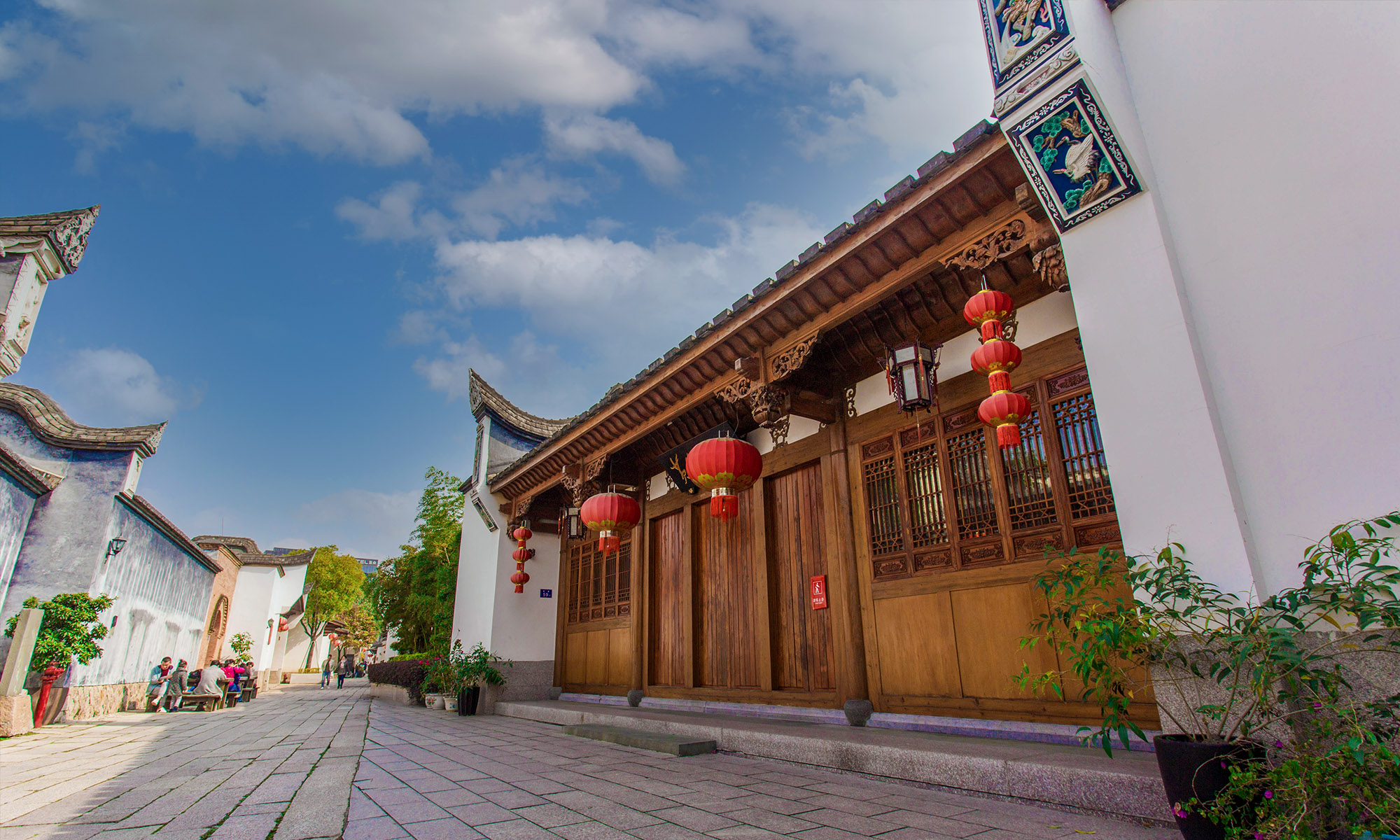
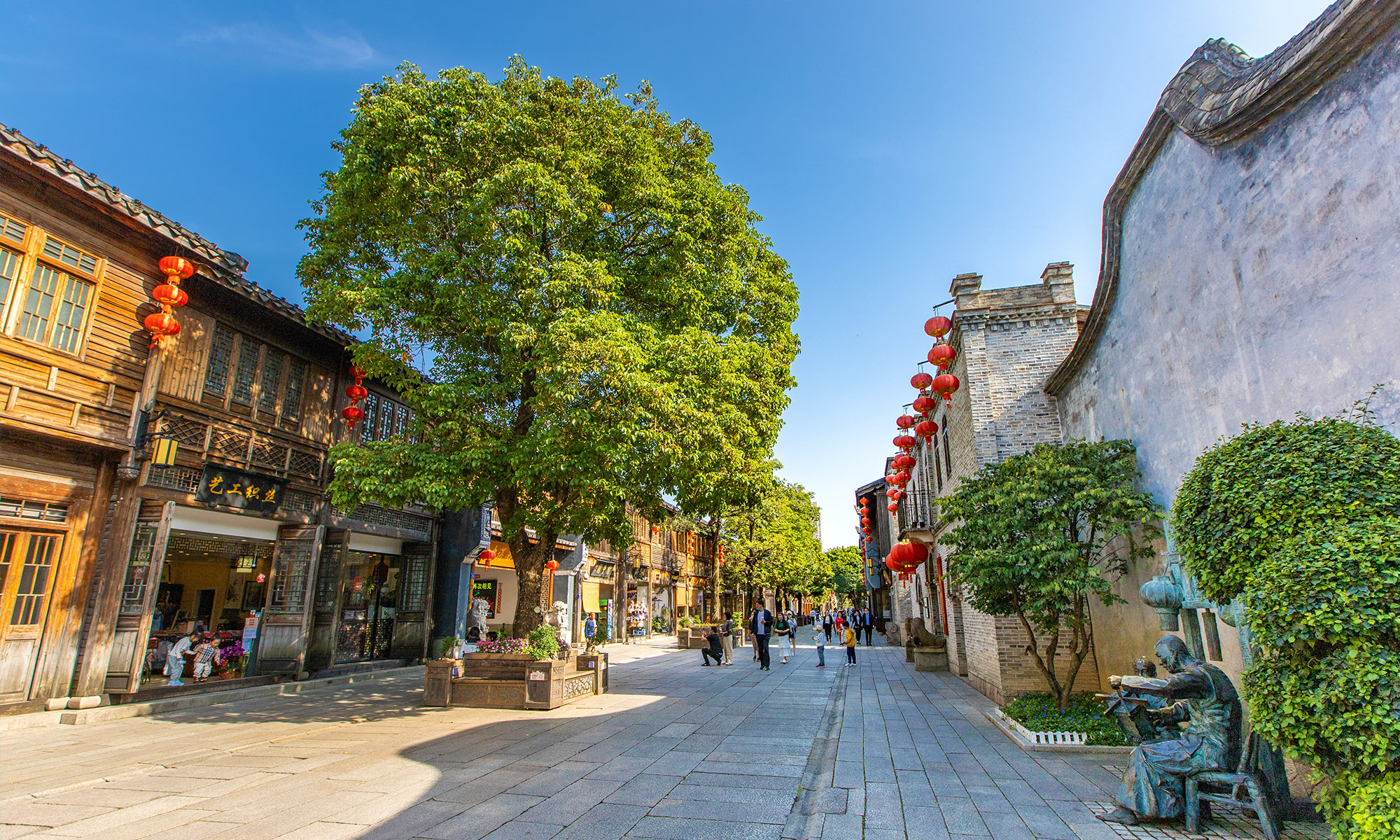
Sanfang Qixiang, the historic district of the Three Lanes and Seven Alleys, is located in Fuzhou, the capital of Fujian Province in China. It is situated between the Zicheng (a smaller range of city walls) built in the Jin Dynasty (3rd-4th century AD) and the Luocheng (a larger range of city walls) built in the Tang Dynasty (7th-10th century AD). It is faced with the southern border of the Zicheng to its north, the central axis of Fuzhou to the east, the Antai River and the relic walls built in the Tang and the following Five Dynasties (10th century AD) to the west, and the Wushan hill and Yushan hill to its south. In this beautiful city of Fuzhou with a river and the hills, this site has been where the literati and officialdom resided ever since the Tang Dynasty.
Sanfang Qixiang Fast Facts
• Nom Chinois: Sanfang Qixiang 三坊七巷
• Meilleure période pour visiter: Tout au long de l'année
• Heures de visite recommandées: Environ 2 à 3 heures
• Activités à faire: Photographie, Architectures, Snacks
• Heures d'ouverture: Ouvert toute la journée pour les espaces publics; 08:30-17:00 Pour les attractions payantes
• Frais d'entrée: Gratuit pour les rues; ¥90 pour un billet combiné des attractions intérieures
• Adresse: No. 58 Rue Nanhou, District de Gulou, Fuzhou, Province du Fujian
À quoi s'attendre à Sanfang Qixiang
Sanfang Qixiang, en tant que zone relativement indépendante dans la ville, a conservé son tissu urbain traditionnel composé de ruelles et d'impasses façonné sous les dynasties Jin et Tang. Avec la rue Nanhou comme axe principal nord-sud de cette zone, Les Trois Rues de Yijin Lane, Wenru Lane et Guanglu Lane sont situées à l'ouest, tandis que les Sept Rues de Yangqiao Alley (Route), Langguan Alley, Ta Alley, Huang Alley, Anmin Alley, Gong Alley et Jipi Alley (Route) sont à l'est, qui constituent la structure des rues principales en forme d'arête de poisson. The names of these lanes and alleys have been rarely changed since the Jin and the Tang Dynasties. The archaeological sites in this area have revealed the stratigraphically corresponding relationships between the current street pattern and the respective street structures in the Tang and subsequent dynasties (7th-20th century AD), which are evidences for the thousand years’ history of this area and evolution process of the Lifang System (an urban planning system for residential area), making the SanFangQiXiang the most integrated ancient urban residential area existing in China.
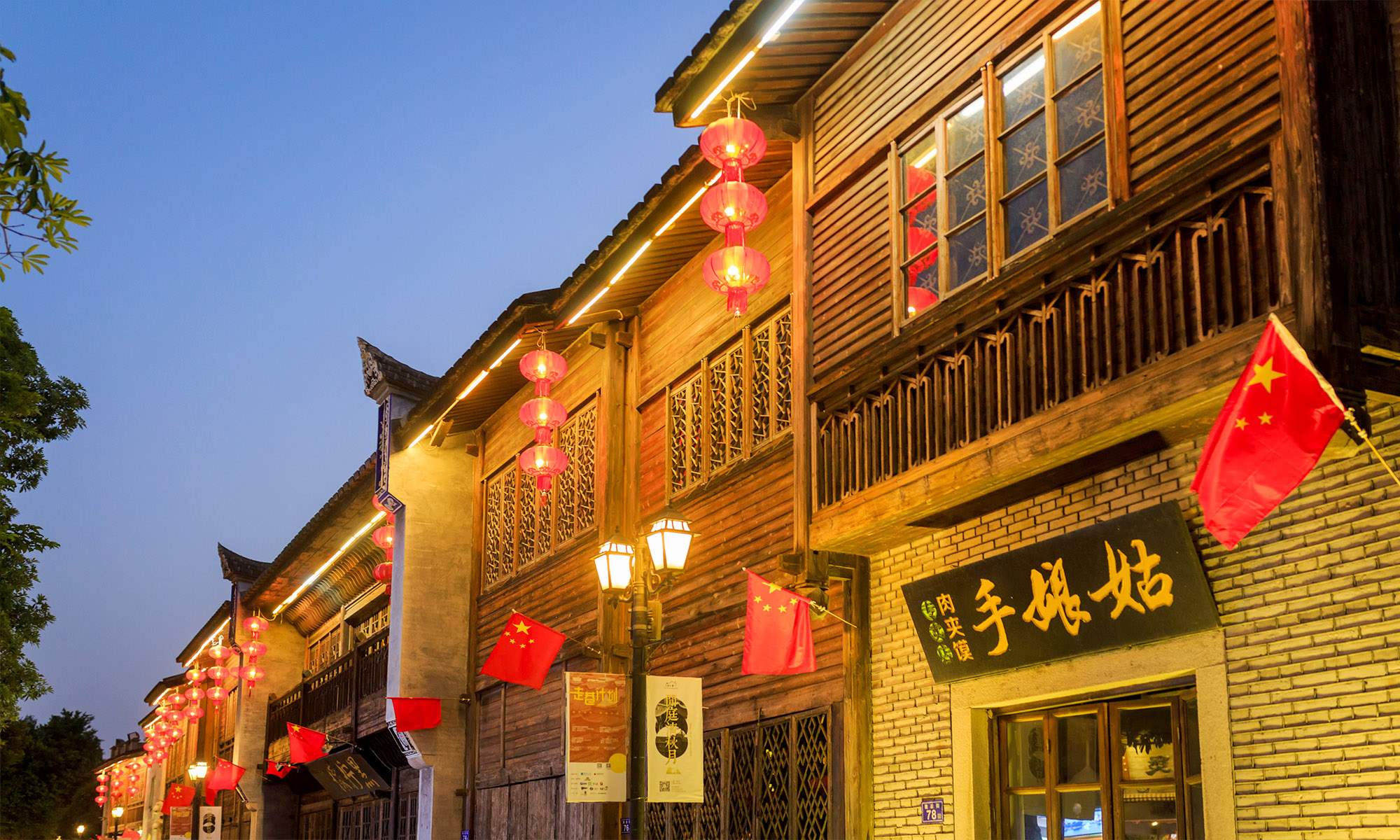
Due to the unique geographic location and its special setting, the Sanfang Qixiang of Fuzhou City has always been the residential area for the literati, officialdom and the wealthy gentry since the Jin and Tang Dynasties. Celebrities include famous scholars, politicians, military strategists, ideologists, and artists. Il y a plus de 200 historical buildings of the Ming (14th-17th century AD) and the Qing Dynasties (17th-20th century AD) well preserved in this area. Most of them are traditional houses with courtyards or private gardens, while the others include community facilities for education, la religion, commerce and patriarchal clan management. All these buildings compose a layered spatial structure from urban area to lanes and alleys, and to individual houses and courtyards in a strict order, which emanates an atmosphere of harmony and calm. Inside the houses, the exquisite details of architecture and gardening are hidden behind a simple appearance, which displays diverse tastes, interests, and the rich cultural deposition of those clans in a unified order and a harmonious atmosphere. Les reliques historiques de Sanfang Qixiang à différentes époques constituent ensemble un tissu urbain résidentiel unique et le paysage urbain d'une ville chinoise traditionnelle, qui montre le mode de vie authentique des lettrés et de la classe officielle traditionnelle chinoise ainsi que leur culture profonde.
Comment se rendre à Sanfang Qixiang
En métro
• Prenez la ligne de métro 1 jusqu'à la station Dongjiekou (Sortie C).
En Bus
• Prenez le bus n°. 5, 18, 22, 27, 55, 61, 66, 75, 118, 128, 301, 317, ou 327 et descendez à la station Sanfang Qixiang.
Conseils supplémentaires pour visiter Sanfang Qixiang
• Veuillez prendre soin de vos effets personnels dans la rue.
• Il n'est pas recommandé de visiter pendant les jours fériés.