Introducing Ganden Monastery
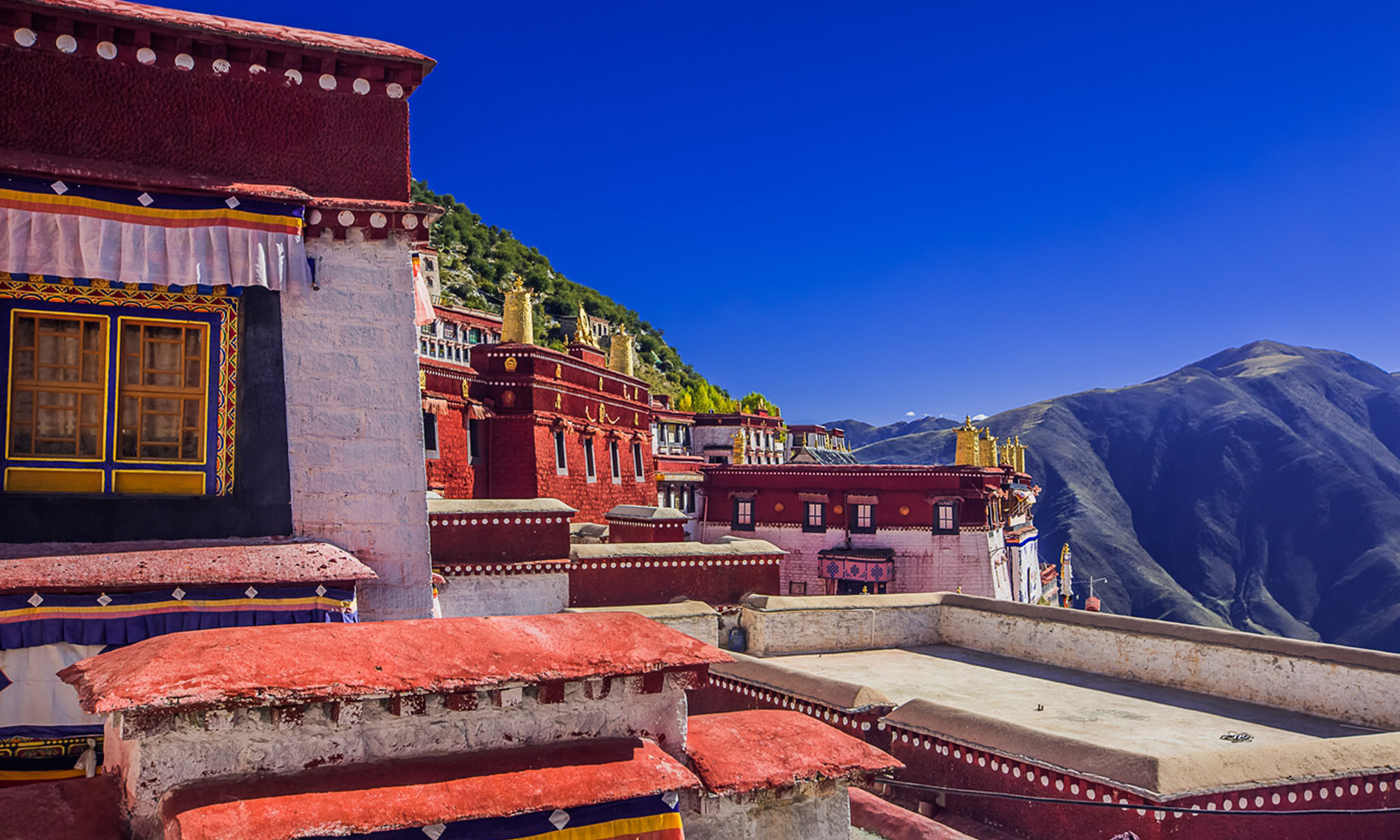
Located about 50 kilometers east of Lhasa, Ganden Monastery is known as one of the “Great Three” Gelugpa monasteries of Tibet. The other two are Sera Monastery and Drepung Monastery. Ganden Monastery is built in 1409 by the Great Tsongkhapa, the founder of the Gelug order. After destroys and restoration, it is now one of the earliest and largest Buddhist monasteries in Tibet. The Tomb of Tsongkhapa is in Ganden Monastery.
Ganden Monastery Fast Facts
• Nom Chinois: Gan Dan Si 甘丹寺
• Meilleure période pour visiter: de mars à octobre
• Heures de visite recommandées: Environ 1 à 2 heures
• Activités à faire: Photographie, Architecture, Bouddhisme tibétain
• Heures d'ouverture: 09:00-16:00
• Frais d'entrée: CNY 40
• Adresse: District de Dagze, Lhassa, Tibet
What to expect at Ganden Monastery
Ganden Monastery is located on top of Wangbur Mountain, at an altitude of 3,800m. Ganden means “joyful” and is the Tibetan name for Tuṣita, the fourth of the six heavens where the bodhisattva Maitreya is said to reside. In the early 15th century, Tsongkhapa called for the Reformation of Religion and founded the Gelug school. Tsongkhapa built Ganden’s main temple, which is the first temple of the Gelug school. He often stayed at Ganden and died there in 1419. Tsongkhapa’s preserved body was entombed at Ganden by his disciples in a silver and gold encrusted tomb.
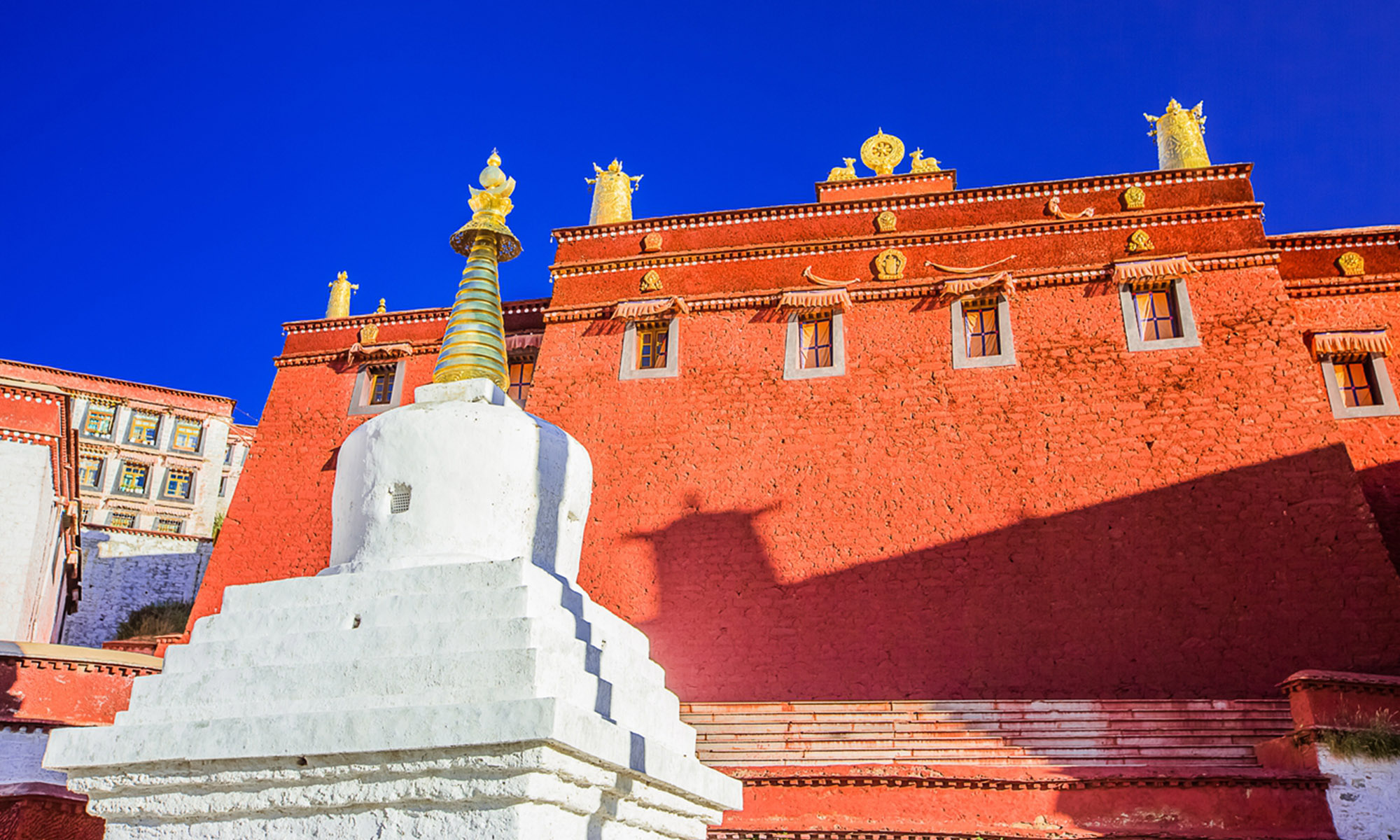
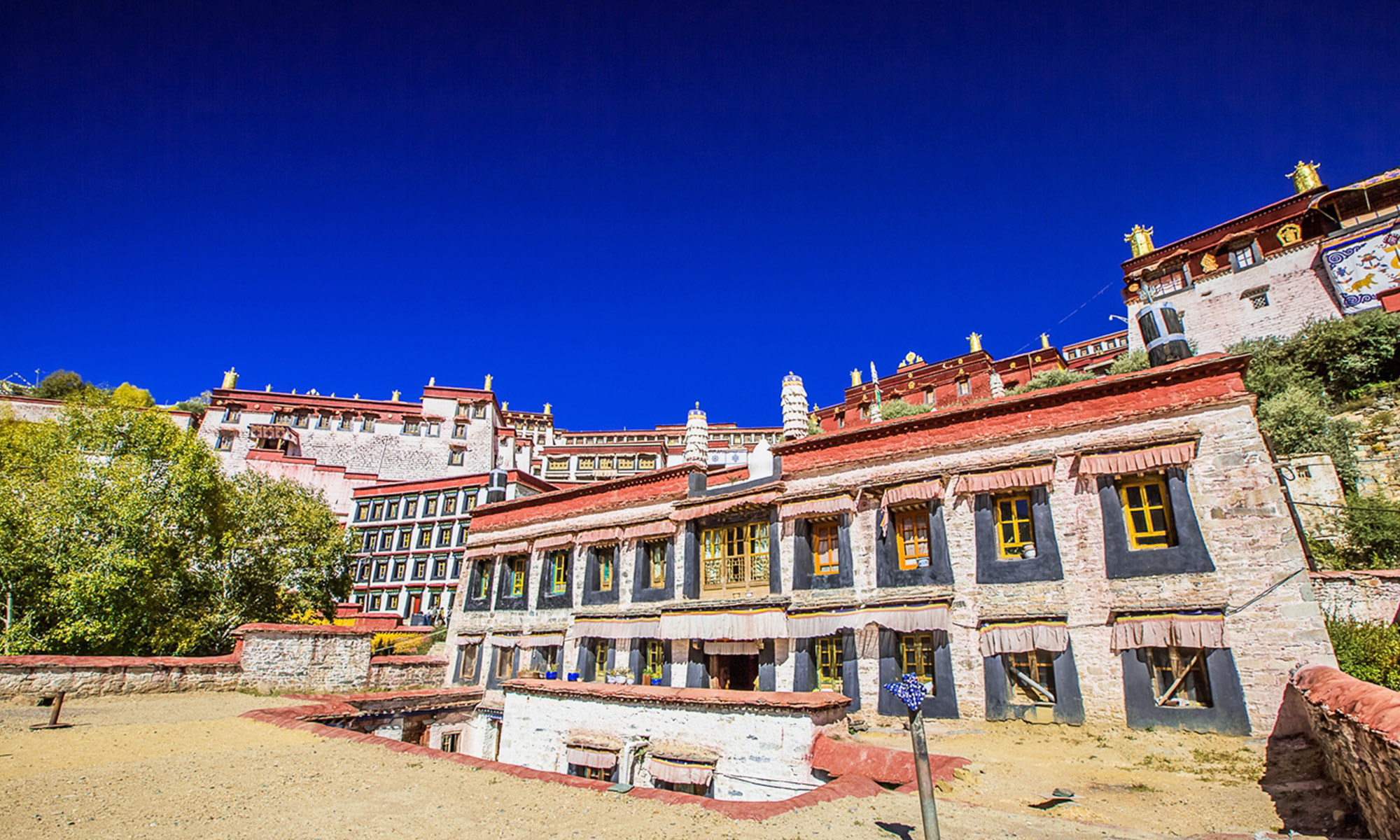
The Ganden Monaster contained more than two dozen major chapels with large Buddha statues. The largest chapel was capable of seating 3,500 monks. Tenzin Gyatso, the 14th Dalai Lama (né 1935), took his final degree examination in Ganden in 1958 and he claims to feel a particularly close connection with Tsongkhapa. The monastery runs a guesthouse for visitors. Ganden’s main assembly hall is a white building with gold-capped roofs, near a huge square. The main chapel contains many gilded images of Tsongkhapa. A maroon and ochre chapel beside the main assembly hall has a statue of Sakyamuni Buddha, and has a section used for hand-printing scriptural texts using wood blocks.
The three main sights in the Ganden Monastery are the Serdung, which contains the tomb of Tsongkhapa, the Tsokchen Assembly Hall and the Ngam Cho Khang the chapel where Tsongkhapa traditionally taught. The monastery houses artifacts that belonged to Tsongkhapa.
How to get to Ganden Monastery
• En bus: take shuttle buses from the square of Jokhang Monastery to Ganden Monastery. The bus departs around 6:30 in the morning and returns around 15:00 à 16:00.
• Rent a car/bus from GGC to enjoy a hassle free private transfer from hotels in Lhasa to Ganden Monastery.
Additional travel advice on Ganden Monastery
• Ganden Monastery is a religious site, donc les visiteurs doivent s'habiller modestement, se comporter correctement. Ne pas parler trop fort. Ne pas fumer à l'intérieur du temple.
• Les lunettes de soleil et la crème solaire sont toujours nécessaires pour se protéger des coups de soleil et du rayonnement ultraviolet intense pendant la journée.