Introducing Tiger Hill
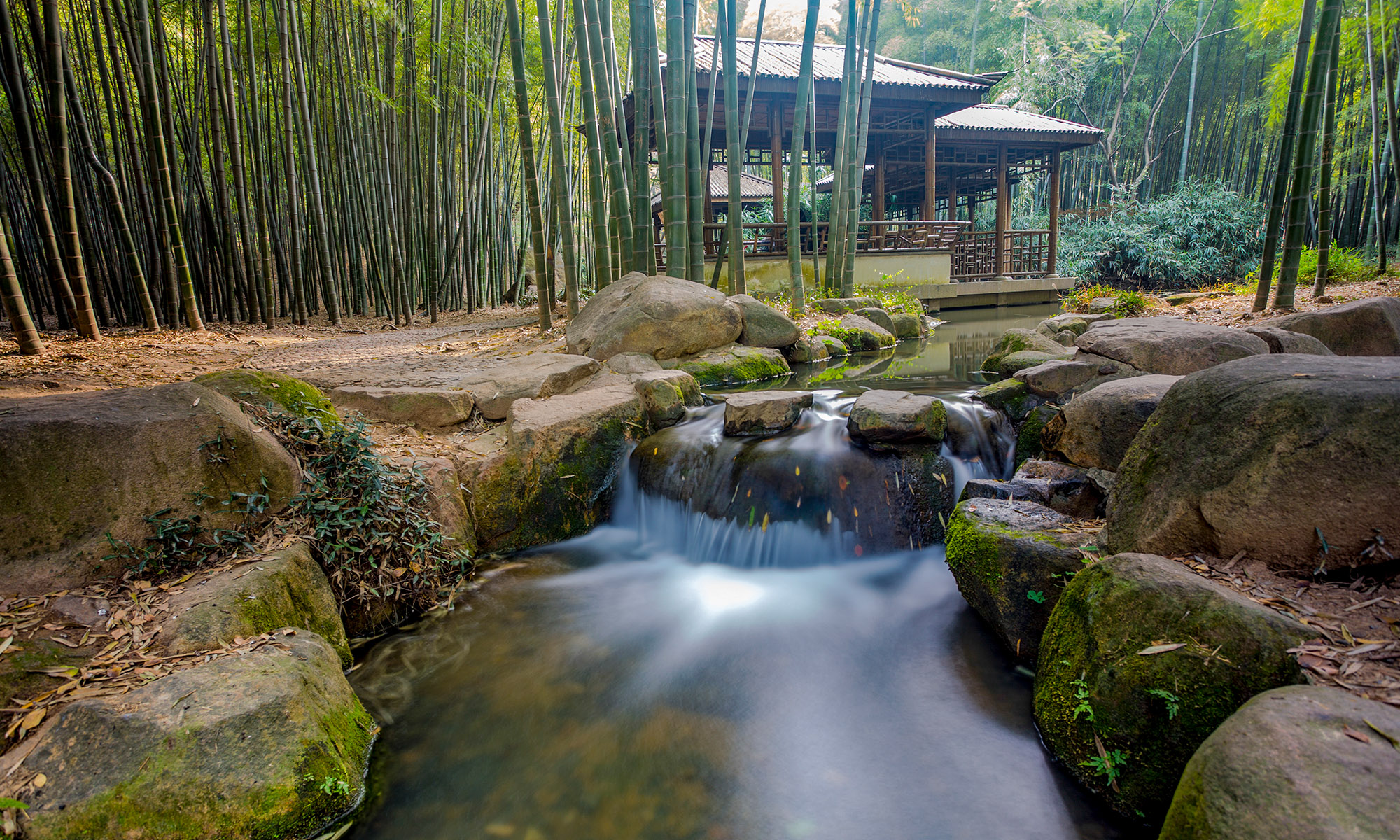
Tiger Hill sits 3.5 kilometers to the northwest of the downtown area and has the reputation of being the most beautiful scenic spot in Jiangsu province. Su Dongpo, a famous Song Dynasty poet, spoke fondly of Tiger Hill, disant, “It’s a pity not to visit Tiger Hill when travelling in Suzhou.”
Tiger Hill Fast Facts
• Nom Chinois: Huqiu 虎丘
• Meilleure période pour visiter: Tout au long de l'année
• Heures de visite recommandées: Environ 1 à 2 heures
• Activités à faire: Photographie, Architecture, Histoire et culture, Bouddhisme
• Heures d'ouverture: 07:30-17:05 à partir de mai 01 à octobre 07; 07:30-16:30 jusqu'en oct 08 d’avril à 30
• Frais d'entrée: ¥70 from Apr to Oct; ¥60 from Nov to Mar
• Adresse: Huqiu District, Suzhou, Province du Jiangsu
What to expect at Tiger Hill
Tiger Hill is an attractive, meaningful tourist destination and as far back as the late Spring and Autumn period (475-221 av. J.-C.), Fu Chai, the King of Wu, buried his father on Tiger Hills. Three days after the funeral was held, a white tiger was spotted atop the hill, hence the name.
The brothers Wang Xun and Wang Min, senior officials during Eastern Jin Dynasty (ap. J.-C. 316-420), built villas on the hill then, later, donated the residences to be used as Tiger Hill Temple. During the Tang, so that it would not conflict with the Taizu emperor’s title, the temple was renamed Wuqiu Bao’en Temple.
Dans 825-826, Bai Juyi, the famous Tang poet serving as the governor of Suzhou, asked the people to dig a canal at the hill foot and to build a dam on it, which was known as Baidi (now Shantang St). The work was done so that water would run around the hill to provide a quiet, secluded, scenic spot.
During the reign of the Zhidao emperor of the early Song Dynasty (995-997), the temple was rebuilt and renamed the Yunyan Temple. It was listed as one of the 10 most important Buddhist Temples on the five famous mountains, during the Song dynasty, and it is a magnificent sight, solid, with pagodas and pavilions tucked away among the trees. De la dynastie Song à la dynastie Qing, le temple a été gravement endommagé plusieurs fois mais l'architecture restante a été restaurée pendant les périodes Tongzhi et Guangxu de la dynastie Qing (1862-1908), à l'exception de la tour Yunyan et de la deuxième porte de la montagne.
La colline du Tigre donne une impression de sérénité avec sa pagode et son temple. Le temple et la pagode Yunyan millénaires semblent simples, pourtant ce sont des structures remarquables.
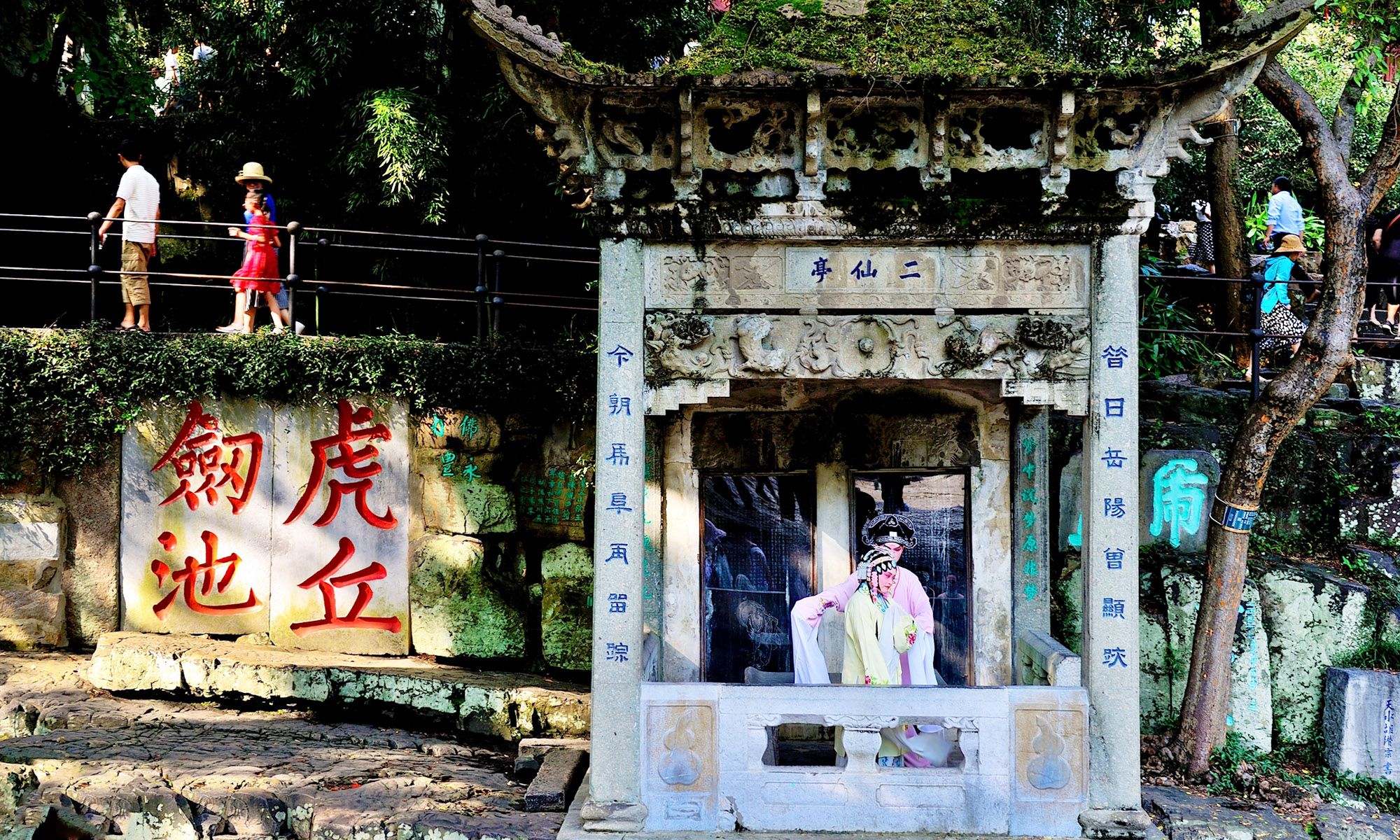
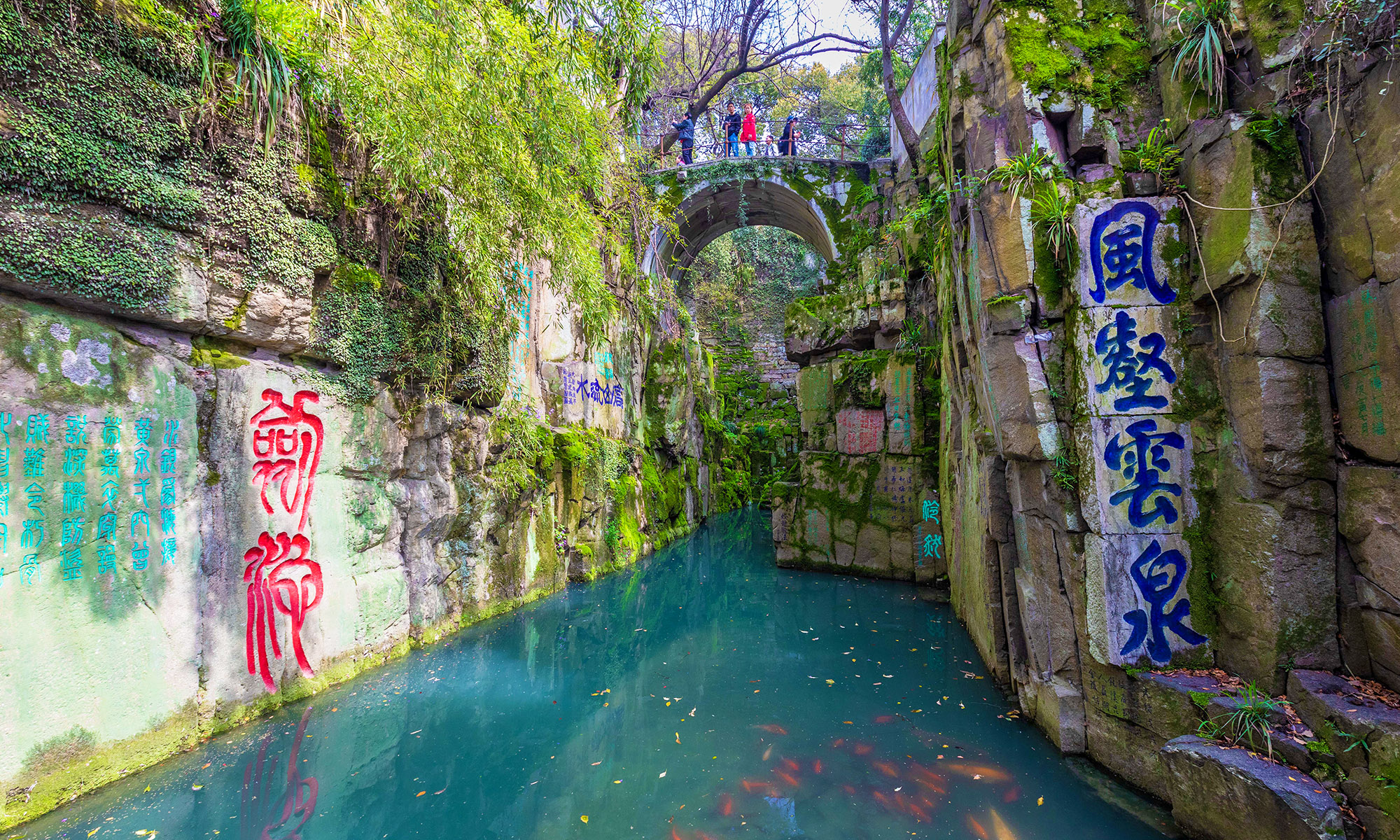
Salle du Poutre-Cassée, de la dynastie Yuan, est une structure fantastique en elle-même. Il y a beaucoup d'autres sites pittoresques d'une renommée légendaire, comme l’« étang de l'épée » sur la falaise, « ravin de la poutre volante », un pavillon sur la falaise, Source Hanhan devant la colline, « rocher de l’essai de l’épée », Tombe de Zhenniang, « rocher des mille hommes », « pavillon des deux immortels », étang de lotus blanc, rocher inclinant, deux seaux suspendus, et étang de l'épée.
Les touristes peuvent visiter la vieille partie de Suzhou et profiter des paysages de la campagne environnante en visitant le pavillon Xiaowu, Wangsu, ou le pavillon Zhishuang au sommet de la colline.
Comment se rendre à la colline du Tigre
• Prendre la ligne de bus touristique 1 ou Ligne 2 et descendre à la station Huqiu.
• Prenez le bus n°. 816 ou 949 et descendre à la station Huqiu Road.
Conseils supplémentaires pour visiter la colline du Tigre
• Le centre touristique se trouve à l'entrée nord de la zone pittoresque, offrant plusieurs services: Renseignements, Location de poussette/téléphone/chargeur/fauteuil roulant, Wi-Fi gratuit, etc..
• Le spectacle floral artistique annuel a généralement lieu de mars à mai. Et la foire du temple d'automne se tiendra de septembre à octobre.