+86-29-8964-0200
info@islamichina.com

Dujiangyan Sulama Sistemini Tanıtmak (Vikipedi'den)
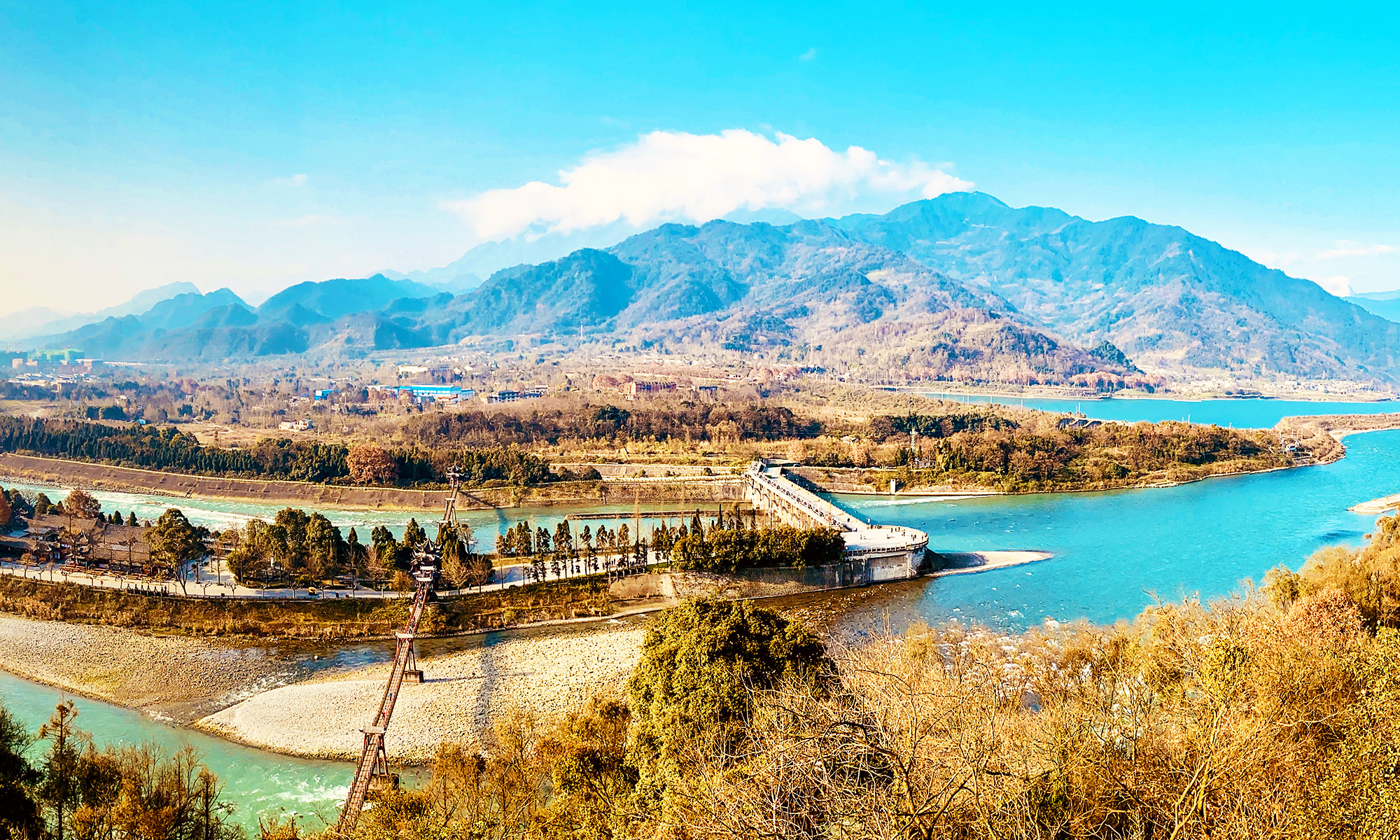
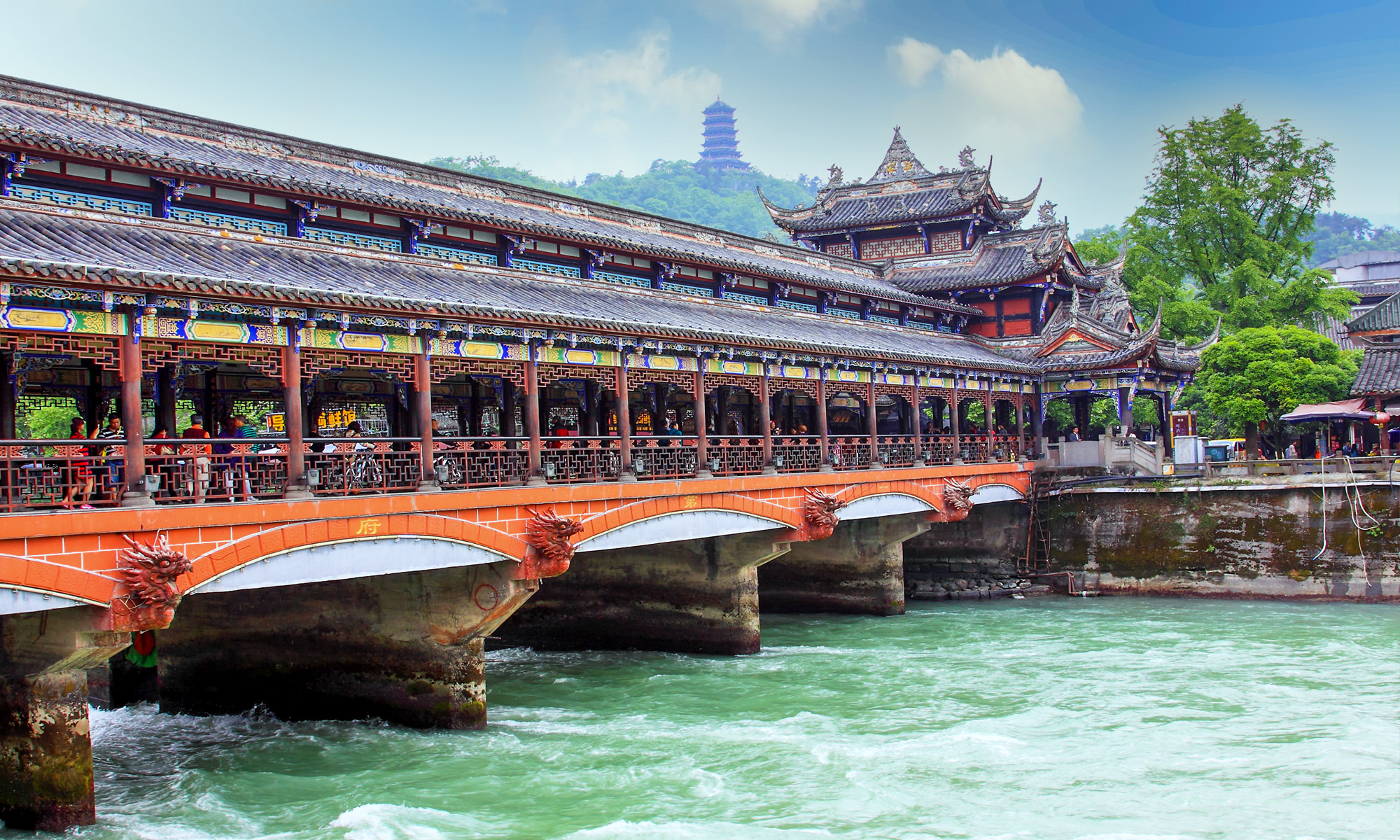
Dujiangyan, Dujiangyan Şehrinde bulunan antik bir sulama sistemidir. Aslen M.Ö. civarında 256 Qin Devleti tarafından bir sulama ve taşkın kontrol projesi olarak inşa edilmiştir, günümüzde hâlâ kullanılmaktadır. Sistemin altyapısı Min Nehri üzerinde gelişir (Minjiang), Yangtze'nin en uzun koludur. Bölge, Chengdu Ovası'nın batı kısmında yer alır, Sichuan havzası ile Tibet platosu arasında. Başlangıçta, Min Nehri Min Dağları'ndan hızla akacak ve Chengdu Ovası'na ulaştığında aniden yavaşlayacaktır, Su yolu alüvyonla dolacak, bu yüzden yakın bölgeler taşkınlara karşı son derece duyarlı hale gelecektir. Li Bing, o zamanlar Qin devleti için Shu valisi olan, ve oğlu Dujiangyan'ın inşaatına önderlik etti, suya sadece baraj yapmak yerine suyu yönlendirme ve bölme konusunda yeni bir yöntem kullanarak nehirden faydalanan. Su yönetim planı bugün hala bölgede üzerinde sulama yapmak için kullanılmaktadır 5,300 kilometrekaredir (2,000 mil kare) bölgede arazi.
Dujiangyan Sulama Sistemi Hızlı Bilgiler
• Çince Adı: Du Jiang Yan 都江堰
• Ziyaret İçin En İyi Zaman: Nisan - Ekim
• Tavsiye Edilen Ziyaret Saatleri: Saat 2 to 3 saat
• Yapılacak Şeyler: Fotoğrafçılık, tarihi & kültür
• Çalışma Saatleri: 08:30-18:00 Nisan - Ekim, 08:00-17:30 Kasımdan Mart'a
• Giriş Ücreti: ¥80
• Adres: Gongyuan Yolu, Dujiangyan, Sichuan Eyaleti
UNESCO'nun Dujiangyan Sulama Sistemi hakkında söyledikleri
Dujiangyan sulama sistemi, Sichuan havzası ile Qinghai-Tibet platosu arasındaki kesişim noktasında, Chengdu düzlüğünün batı bölümünde yer almakta, orta büyüklükte bir ekolojik mühendislik başarısı olup, ilk olarak yaklaşık 256 MÖ. Tang Hanedanlığı döneminde değiştirilmiş ve genişletilmiş, Song, Yuan ve Ming hanedanlıkları dönemlerinde, sulama için su yönlendirme, sediment drenajı, sel kontrolü, ve akış kontrolü sorunlarını baraj kullanmadan çözmek için doğal topoğrafik ve hidroljik özellikleri kullanmaktadır. Today the system comprises two parts: the Weir Works, located at an altitude of 726m, the highest point of the Chengdu plain 1km from Dujiangyan City, and the irrigated area. Three key components of the Weir Works control the water from the upper valley of the Minjiang River: the Yuzui Bypass Dike, the Feishayan Floodgate, and the Baopingkou Diversion Passage. Together with ancillary embankments and watercourses including the Baizhang Dike, the Erwang Temple Watercourse and the V-Shaped Dike, these structures ensure a regular supply of water to the Chengdu plains. The system has produced comprehensive benefits in flood control, irrigation, water transport and general water consumption. Begun over 2,250 yıl önce, it now irrigates 668,700 hectares of farmland.
What to expect at Dujiangyan Irrigation System
Dujiangyan Irrigation System was built under the leadership of Li Bing, Governor of Shu Prefecturein the Qin State, to control the flood of the Minjiang River in 256BC. The project uses the way of “water diversion without a dam” and mainly comprises Fish Mouth Levee, Feisha Weir Spillway and Baopingkou. It takes advantage of the natural terrain at mountain pass of the Minjiang River and flow rules of the bend, and integrates three main works into a whole, thus to effectively solve problems of diversion irrigation, flood discharge and sediment ejection, form a scientific and integrate automatic irrigation and drainage system, inoculate the “Bolluk Diyarı” Chengdu Plain.
Baopingkou
Baopingkou (also named Bottle-Neck Channel) is a gap cut on the long ridge of JianshanMountain (now called Guankou Mountain and Yulei Mountain) toward the Minjiang River, and also an artificial throat to control the water inflow of the InnerRiver. It is named after its shape like a bottle neck with amazing function. The hill on the right side of Baopingkou, separating from its mountain body, is called Lidui. The width and bottom height of Baopinkou are strictly controlled; the ancient people carved dozens of division lines on the palisades, which was named “Water Rule”, the earliest water gauge of China.
Fish Mouth
Dujiang Weir comprises Fish Mouth, Feisha Weir and Baopingkou. Fish Mouth, as a diversion dam built in the middle of river, separates the turbulent Minjiang River into Outer River and Inner River, which are used for flood discharge and diversion irrigation respectively. Feisha Weir plays a great role in discharging flood, removing sand and modulating water flow. Baopinkou controls the rate of inflow and is named after its bottle-neck shape. It works until now, so it is called the “Live Water Conservation Museum”.
How to get to Dujiangyan Irrigation System
• Dujiangyan Irrigation System is approximately 60 km away from Chengdu.
• Bullet train is available from Chengdu to Dujiangyan.
• Take a bus from Chengdu Ximen Bus Station to Dujiangyang City. Sonra otobüs No alarak,. 1 ya da 4 to Dujiangyan Scenic Area.
• Rent a car/bus from GGC to enjoy a hassle free private transfer from hotels in Chengdu to Dujiangyan Irrigation System.
Additional travel advice on Dujiangyan Irrigation System
• Lütfen rahat yürüyüş ayakkabıları ve kıyafetler giyin.
• It often rains at Dujiangyan area. Lütfen yanınızda şemsiye veya yağmurluk bulundurun.
• Sivrisinek ısırıklarını önlemek için uzun kollu giysiler gereklidir veya sivrisinek kovucu hazırlayın.
• Please take care when having fun near water.