+86-29-8964-0200
info@islamichina.com

Introducing Diaoyu Fortress (Vikipedi'den)
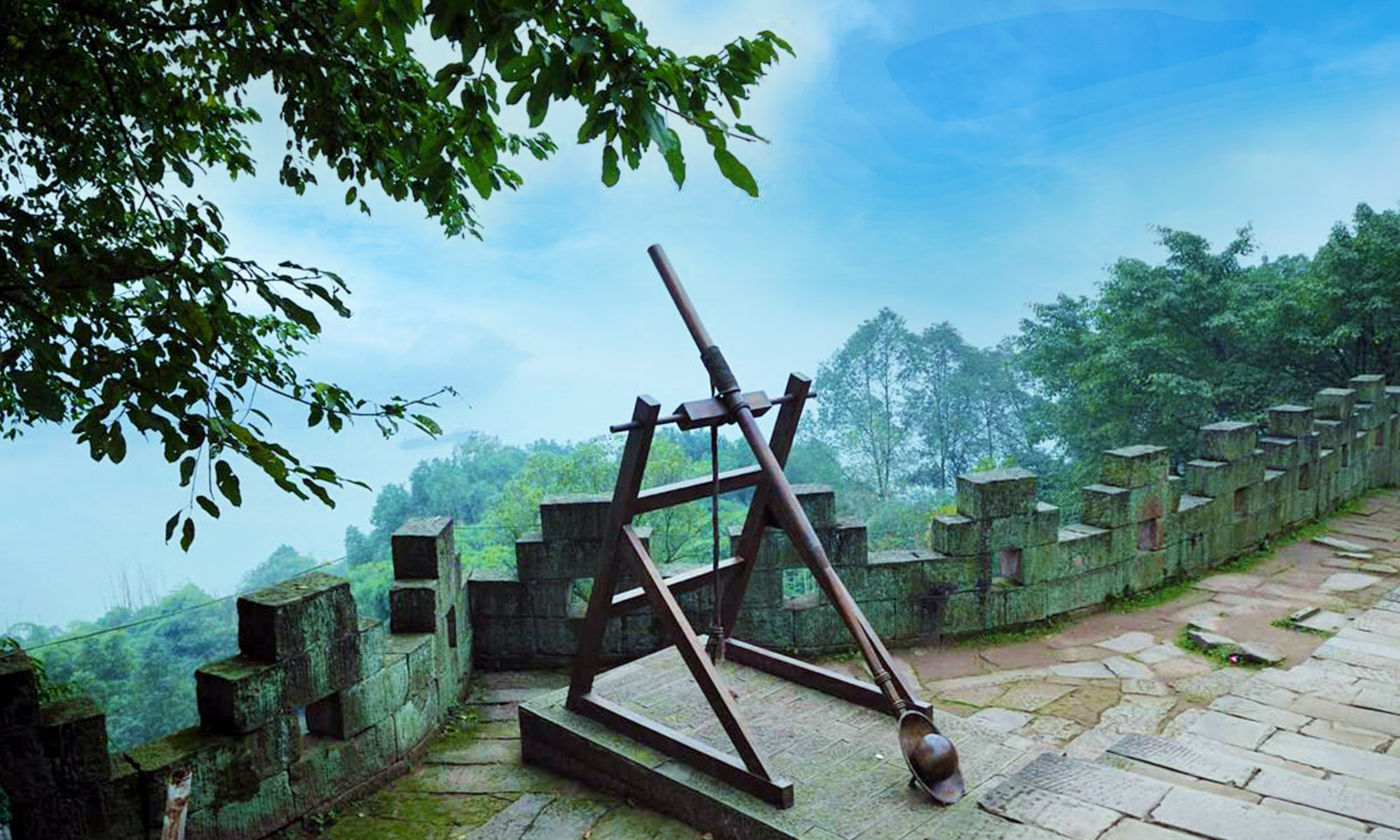
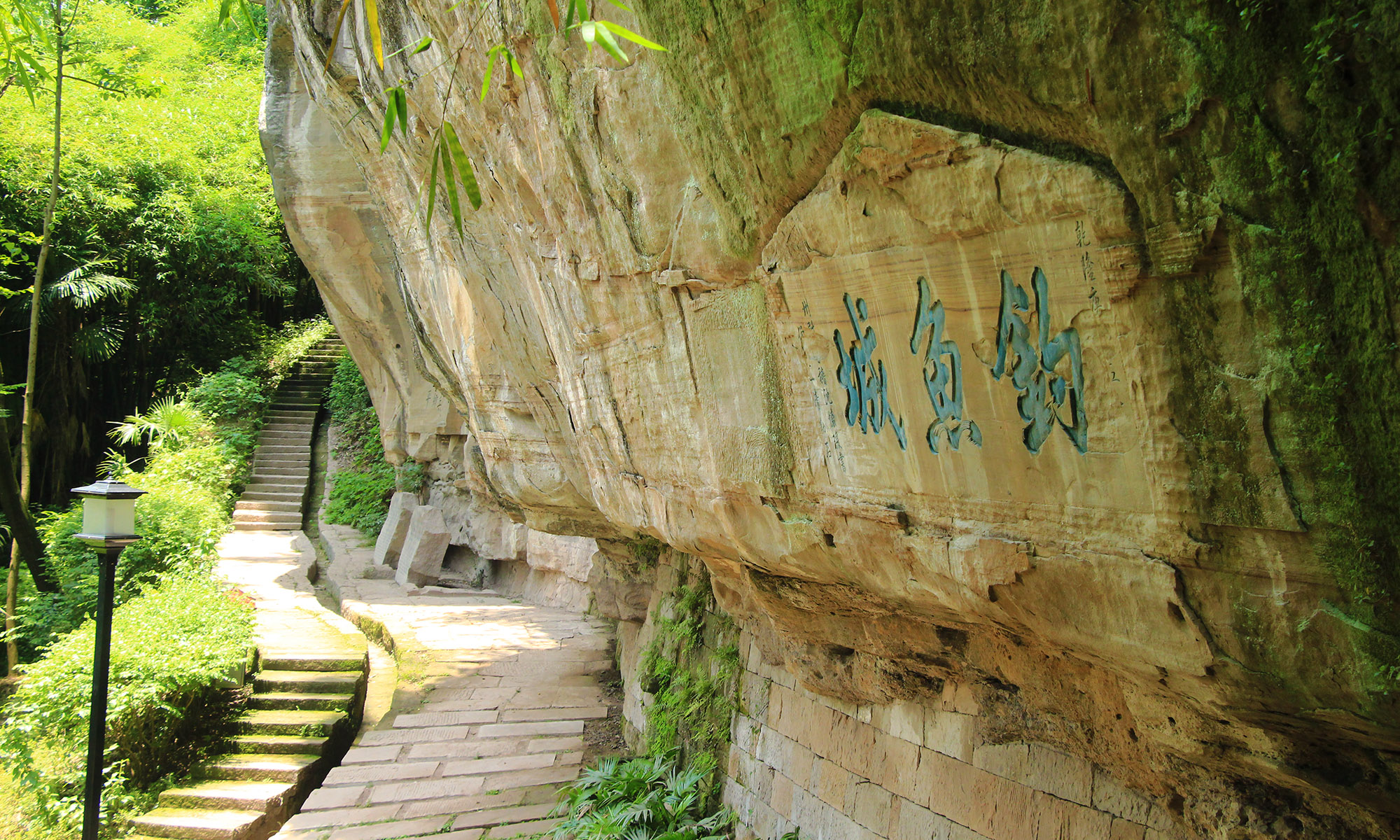
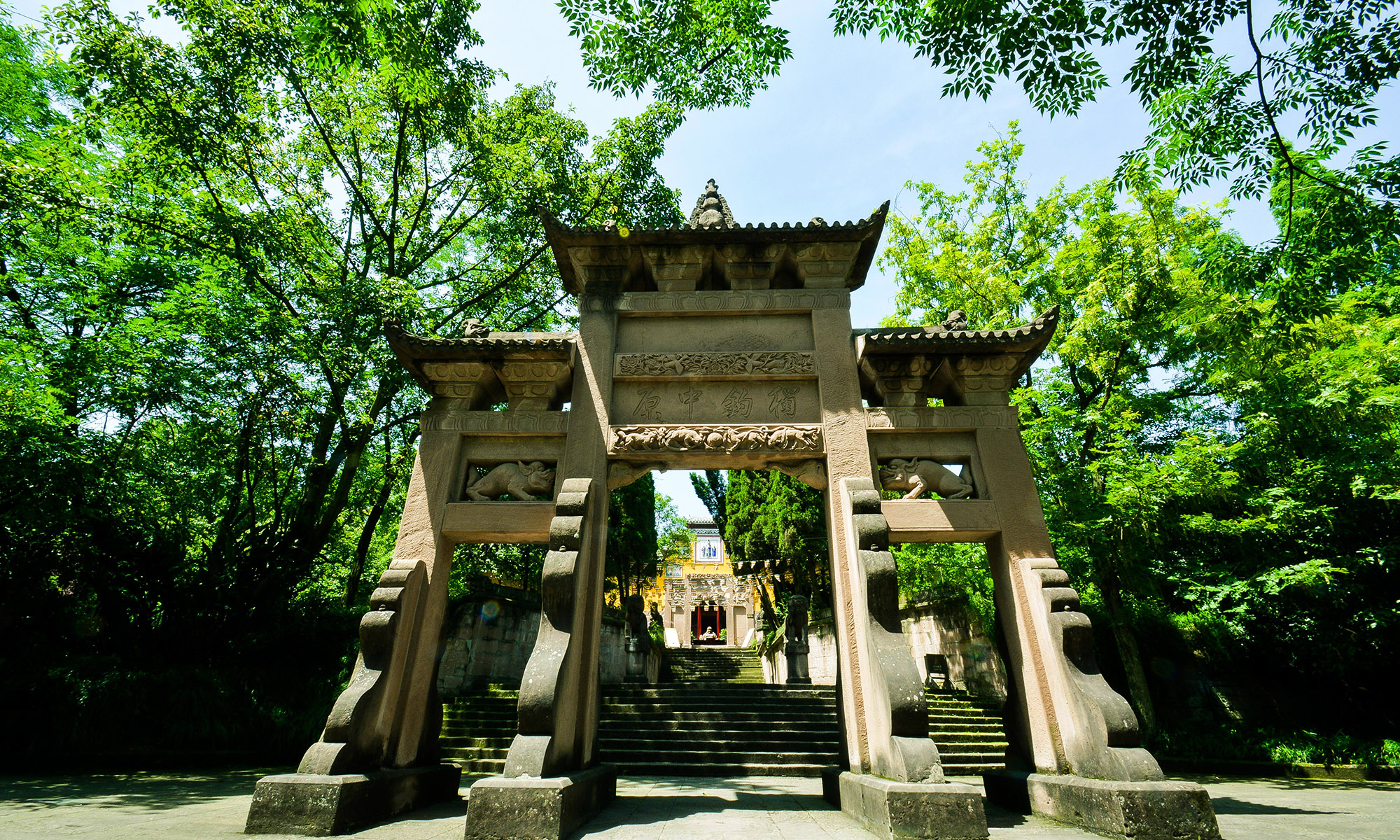
Diaoyu Kalesi. Diaoyucheng in Chinese, is located on the Diaoyu Mountain in Heyang Town, Hechuan District, Chongqing, is known for its resistance to the Mongol armies in the latter half of the Song dynasty. The death of Mongol leader Mongke Khan during the siege of Diaoyu Fortress resulted in the immediate withdrawal of Mongol troops from Syria and East Asia. Although the Mongols and the Southern Song Dynasty were united in their fight to bring down the Jin dynasty, their pact broke immediately afterwards, and the Mongols launched an aggressive war against the tenacious Southern Song that lasted for more than a third of the 13th century. In the period from 1243 to 1279, Diaoyu experienced more than two hundred military confrontations in a miracle of “persistent resistance” otuz altı yıl boyunca süren. Antik Diaoyu, şu alanı kapsar 2.94 kilometrekaredir. Üç tarafı su ile çevrili bir tepede yer almaktadır, Qu nehirlerinin birleştiği yere yakındır, Fu ve Jialing nehirlerinin birleştiği yerde. Arazi dik ama güzeldir. Saat 700 yıl önce, Yu Jian, Güney Song Hanedanı sırasında Moğollara direnmek için burada bir kale inşa etti (1127–1279). Sayısı on binin üzerinde olmasına rağmen ve Büyük Han Mongke'nin bizzat liderliğindedir, Moğollar küçük kaleyi ele geçiremedi. Yu Jian birçok parlak zafer kazandı, Mongke ve öncü generali Wang Tege'nin ölümüyle sonuçlandı. Mongke'nin nasıl öldüğü konusunda kaynaklar farklılık gösteriyor—Çin kaynakları büyük ölçüde Mongke'nin bir yay oku ile ölümcül şekilde yaralandığını iddia ediyor (bu iddia Süryani keşiş Bar Hebraeus'un yazılarıyla doğrulanıyor) veya bir top veya trebuchetten atılan taş bir mermi, Fars kaynakları, Mongke'nin dizanteri veya kolera gibi bulaşıcı hastalıklardan öldüğünü öne sürerken (Çin kaynakları, kuşatma sırasında bir salgının varlığını doğruluyor). Birçok tarihi mekân içerdiği için—bir deniz iskelesi, tatbikat alanları, gözetleme kuleleri, ve dahili toplarla yapılmış bir tahkimat—Diaoyu, Çin Devlet Konseyi tarafından önemli bir ulusal kültürel ve tarihi site olarak ilan edilmiştir, ve 28 August 2018 Dünya Kültürel Miras Geçici Listesi'ne alınmıştır.
Diaoyu Kalesi Hızlı Bilgiler
• Çince Adı: Diao Yu Cheng 钓鱼城
• Ziyaret İçin En İyi Zaman: Nisan'dan Kasım'a
• Tavsiye Edilen Ziyaret Saatleri: Saat 3 to 4 saat
• Yapılacak Şeyler: Tarih, askeri & yürüyüş
• Çalışma Saatleri: 08:00 to 18:00 Nisan - Ekim; 08:00 to 17:00 Kasımdan Mart'a
• Giriş Ücreti: CNY 60, 1.2 m altında çocuklar için ücretsiz (3.9ft).
• Adres: Diaoyucheng, Hechuan District, Chongqing
Diaoyu Kalesi'nde Neler Beklenir
Mongke Han, Moğol İmparatorluğu'nun Üçüncü Büyük Hanı
Mongke (doğum 1208, ölüm 1259), Cengiz Han'ın torunu ve büyük Moğol imparatorluğunun varisi. Büyük han olarak seçildiğinde 1251, bu unvanı taşıyan ve başkentini Karakurum’a taşıyan son kişi oydu, Orta Moğolistan’da. Onun yönetimi altında şehir eşi benzeri görülmemiş bir görkeme ulaştı, ve Moğol İmparatorluğu hızlı bir şekilde genişlemeye devam etti. Toprağı o kadar büyük ve çeşitli hale geldi ki Moğke, tüm Moğol fetihleri üzerinde gerçek otorite uygulayabilen son büyük han oldu. Batıda, Moğke’nin orduları, kardeşi Hulagu tarafından yönetilen, İran’a saldırı başlattı, orada son direnişi sonunda ezdi 1256. Moğollar daha sonra Irak’a ilerledi, Bağdat’ı ele geçirdi 1258. Oradan Suriye’ye hareket ettiler 1259, Şam ve Halep’i aldılar, ve Akdeniz kıyılarına ulaştılar. Doğuda, Moğke’nin orduları, diğer kardeşinin komutasında, the famous Kublai, outflanked Song Dynasty in the south and captured the Thai kingdom of Nan-chao, located in present-day Dali, Yunnan Eyaleti. They then brought much of present-day Vietnam under their suzerainty. Meanwhile the main Mongol forces began to advance against China proper. In 1257 Mongke took personal charge of his armies within China. In 1259, Mongke Khan died in the battlefield of Diaoyu Fortress. He was succeeded by his brother Kublai, who completed the conquest of China.
Siege of Diaoyu Fortress (Vikipedi'den)
Mongke’s siege of Diaoyu Castle began sometime between 24 February and 25 March 1259. The siege lasted for approximately five months. The commander of the Song forces in the castle was Wang Jian. Möngke sent his general Wang Dechen as the vanguard of the Mongol army. The Mongols initially tried to break the castle’s gates. Bu strateji etkisiz olduğu kanıtlandığında, küçük savunma yapıları bulunan kalenin dış kısmına gece baskınları yapmaya başladılar. Bu baskınlar ilk başta Song ordusunu şaşırtsa da, Moğollar kaleye giremediler. Bu girişimler sırasında, Wang Dechen bir Song mancınığı tarafından öldürüldü. Kaiqing'in ilk yılının yedinci ayında, Mongke kaleyi ele geçirme planından vazgeçiyordu ve bunun yerine, kalan birliklerini Chongqing'e saldırmak için görevlendirmeye karar verdi, ancak, Diaoyu Kalesi kısa süre içinde onun ölüm yeri olacaktı, çünkü Moğke kuşatma sırasında öldü. Moğke'nin nasıl öldüğü konusunda kaynaklar farklı görüş bildirmektedir — Çin kaynakları, Moğke'nin ölümcül şekilde bir toplu atıştan ya da mancınık taşından veya mermiden gelen topçu ateşiyle yaralandığını iddia etmektedir, veya bir yaylı tüfek okundan çıkan bir civata (bu iddia Süryani keşiş Bar Hebraeus'un yazılarıyla doğrulanıyor), Fars kaynakları, Mongke'nin dizanteri veya kolera gibi bulaşıcı hastalıklardan öldüğünü öne sürerken (Çin kaynakları, kuşatma sırasında bir salgının varlığını doğruluyor). Kardeşinin öldüğünü öğrendikten sonra, Kubla askerlerini çekmeye karar verdi. Lin’an’a saldıracağını söyleyerek Song'u tehdit etti, Song'un başkenti, Song ordularının olası herhangi bir misillemesini önlemek için. Stratejisi etkili oldu. Song başbakanı Jia Sidao kısa süre sonra barış anlaşması müzakere etmek için elçisini gönderdi. Diaoyu Kalesi Song ordularının elinde kaldı. Kubla yönetimindeki Moğollar bunu ele geçirmeye çalıştı 1263 ama tekrar başarısız oldular. Bir sonraki on yılda, Moğollar her sonbahar kaleye düzenli olarak geri döndü. In 1279, Diaoyu Kalesi garnizonu Song hanedanının sonundan iki ay önce Moğollara teslim oldu.
Diaoyu Kalesi Savaşı'nın sonuçları
Başlangıç 1246 to 1279, Sichuan bölgesinde Moğol fetihlerine karşı Çin direnişi sürdü 36 yıllar. Mongke Han, Moğol İmparatorluğu'nun dördüncü hanı, bu savaşta hayatını kaybetti, Moğolların fetih seferleri sırasında hanlarını kaybettikleri tek savaş oldu. Möngke'nin ölümü Moğol İmparatorluğu'nun bölünmesine yol açtı. Hulagu kalıcı olarak Pers'te kaldı, Kublai ve Ariq Böke ise hanlık unvanını ele geçirmek için mücadele etti. Song hanedanı geçici olarak yok olmanın eşiğinden kurtarıldı. Ancak, Kublai sonunda Song hanedanının sonunu yılında işaret etti 1279, 20 Diaoyu Kalesi kuşatmasından yıllar sonra. Her iki olay geri döndürülemezdi ve Çin, Moğol, ve dünya tarihinde büyük öneme sahipti.
Diaoyu Kalesi'ne nasıl gidilir
• Diaoyu Kalesi Chongqing'den yaklaşık 80 km uzaklıktadır.
• Chongqing'teki otellerden Diaoyu Kalesi'ne sorunsuz özel transfer için GGC'den araba/otobüs kiralayın.