+86-29-8964-0200
info@islamichina.com

Introducing Potala Palace
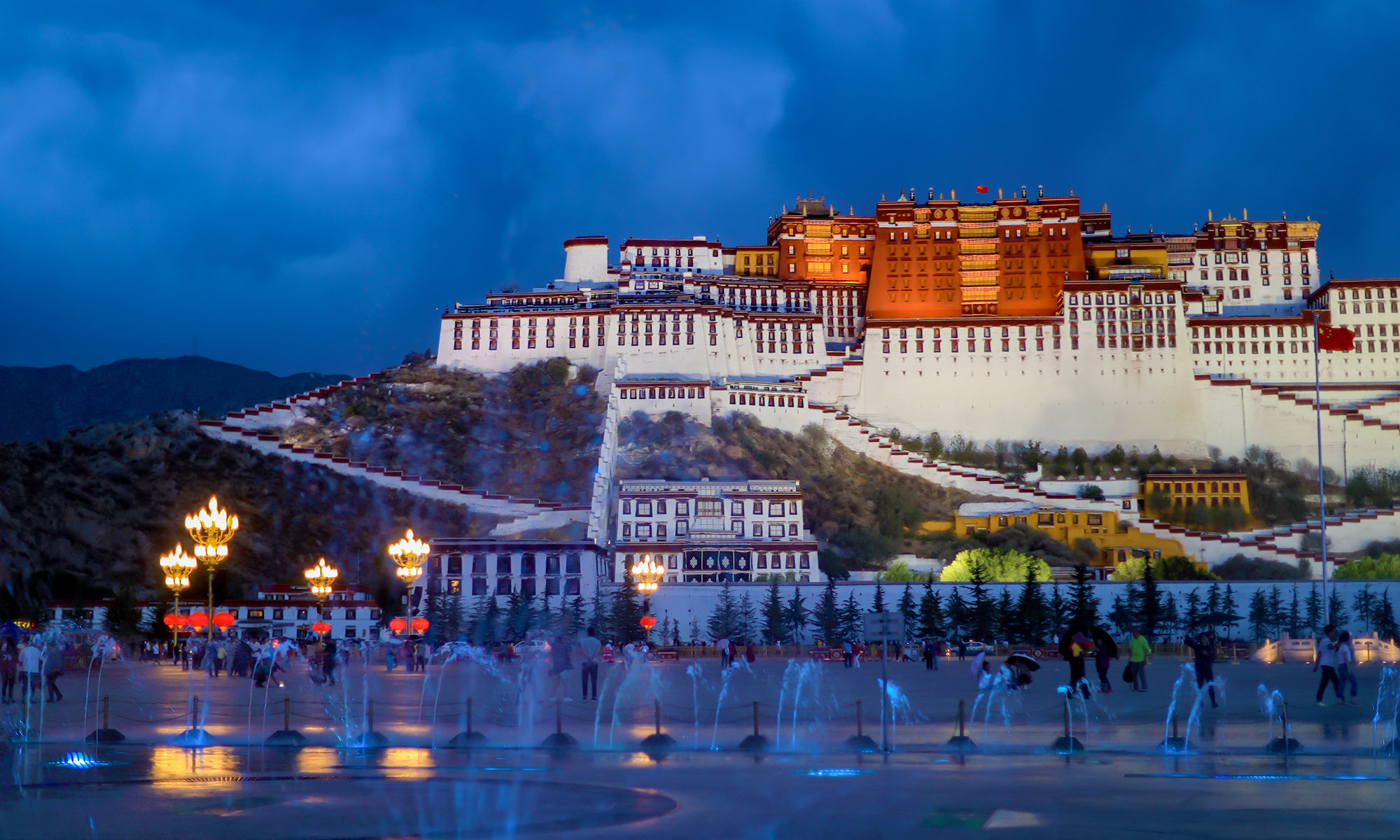
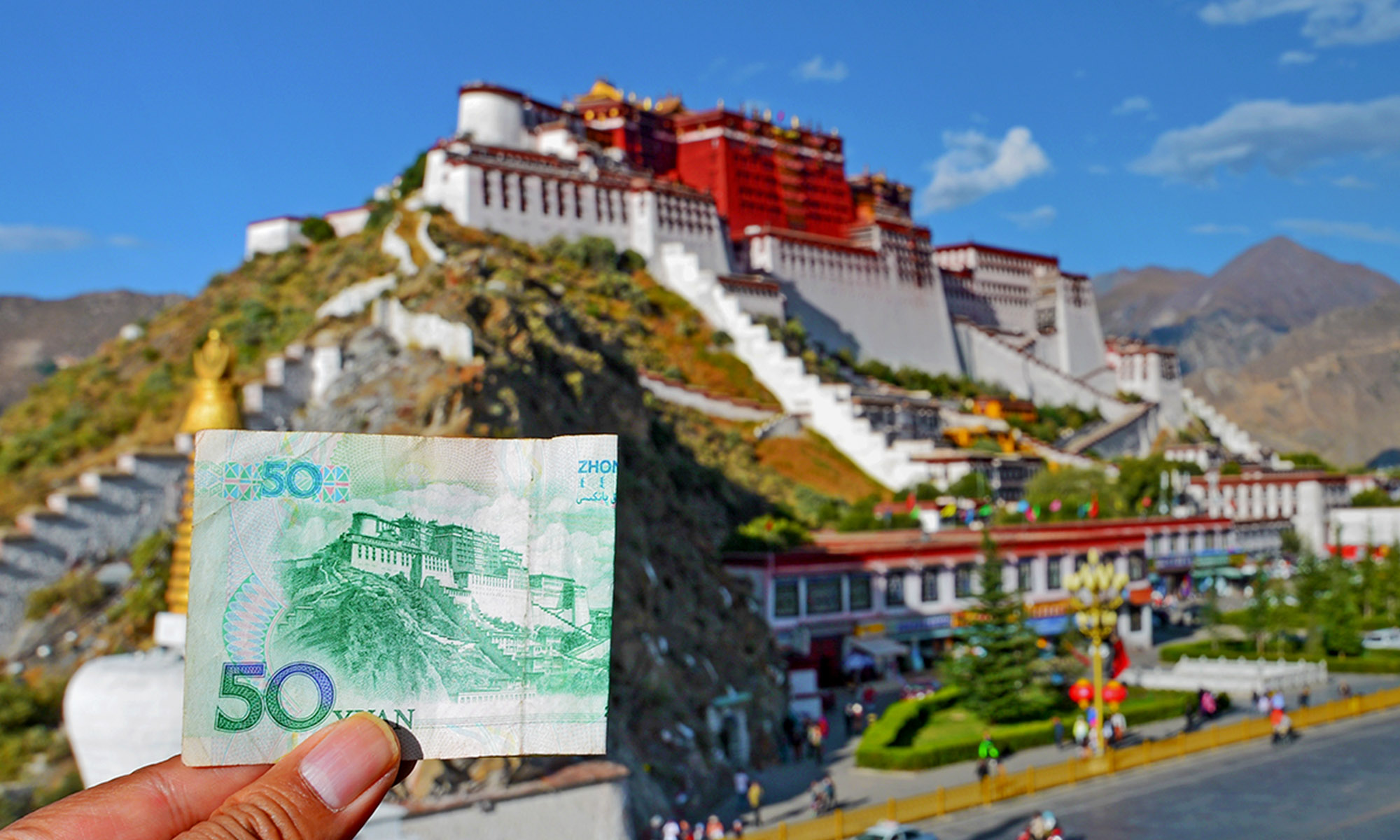
This architectural wonder Potala Palace is Lhasa’ ana simge. Potala Sarayı birkaç mil öteden, her yönden görülebilir. MS yedinci yüzyılda Kral Songtsen Gampo döneminde kurulmuştur. Potala Sarayı Kızıl Tepe üzerinde bulunmaktadır, alanı kapsıyor 41 hektar. ardışık Dalay Lamalar'ın kışlık ikametgahı olarak, Potala Sarayı eskiden yerel Tibet teokratik yönetiminin merkezi olarak hizmet vermiştir, Dalay Lama V döneminden itibaren başlıca dini ve siyasi törenlere ev sahipliği yapmıştır (1917-1682), aynı zamanda bu manevi liderlerin kalıntılarını barındırmıştır. Dünya çapında bir üne sahip olarak, Potala Sarayı, Tibet'in Lhasa şehrine bakan Kızıl Tepe üzerinde, hükümet tarafından özel koruma altında olan önemli bir ulusal kültürel anıt olarak durmaktadır.
Potala Sarayı Hızlı Bilgiler
• Çince Adı: Bu Da La Gong 布达拉宫
• Ziyaret İçin En İyi Zaman: Mart ayından Ekim'e
• Tavsiye Edilen Ziyaret Saatleri: Saat 1 to 3 saat
• Yapılacak Şeyler: Fotoğrafçılık, Mimari, Tibet Budizmi
• Çalışma Saatleri: 09:30-15:00
• Giriş Ücreti: CNY 200 Mayıstan Ekimе; CNY 100 Kasımdan Nisana
• Adres: No.35 Merkezi Beijing Yolu, Chengguan Bölgesi, Lhasa, Tibet
Potala Sarayı'nda ne beklenir
Mimari Yapı
3.700m'den yüksek bir rakımda, Potala Sarayı 360.000m²'den fazla bir alanı kaplamaktadır. 13 katlı ana bölümü 117m yükselir. Tüm kompleks, salonlar,, stupa-mezar salonları, (üst lamarın kutsal emanetlerinin korunduğu yerler,), tapınaklar,, dua odaları,, rahipler,’ yurtlar ve avlulardan oluşan, dünyanın en yüksek ve en büyük kale sarayı olarak tanınmaktadır.
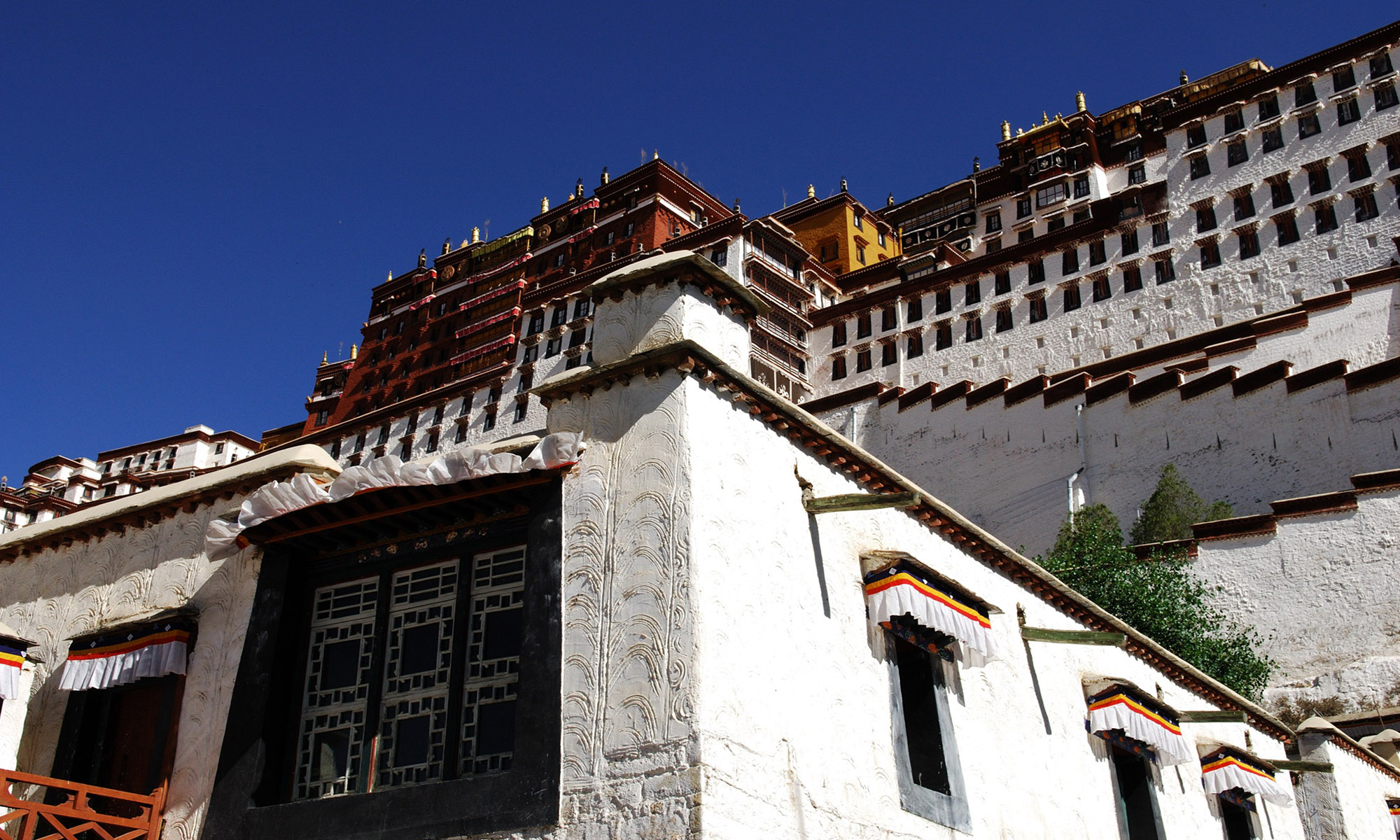
Tepenin teraslı yamacına inşa edilmiş, yapılar, yok edilemez devasa bir göğe yükselen kütle oluşturmak için birleşir, ölümlü dünyanın üstündeki ilahi alemi andırır. Yumuşak beyaz samanla süslenmiş granit duvarlar,, büyük altın kaplamalı şişelerle süslenmiş altın çatılar,, görkemli perdeler ve bayraklar, çarpıcı kırmızı renkleri taşıyan benzersiz bir yapısal harika oluşturmak için birleşir, white and yellow characteristic of Tibetan architectural art, making the Potala an eminent example of a constructive technology traditionally Tibetan and Chinese.
White Palace & Red Palace
The main portion of the Potala Palace contains the White Palace and the Red Palace, daha fazlasıyla 1000 odalar. The 7-storey White Palace, Dalai Lamas’ winter residence, also housed the former local Tibetan government. There the most spacious hall, the eastern Audience Hall (Sishe Phuntsok) occupies a central area of 717m on the 4th floor. It was there that the Dalai Lamas were enthroned as supreme Tibetan Buddhist spiritual leader and the region’s temporal ruler. The 5th and 6th floors bore government offices and rooms for the officials. Two particular apartments on the top floor, reserved for the Living Buddhas, were known as Eastern and Western Sunshine Apartments for their long access to sunlight.
In contrast with the White Palace, the Red Palace consists mainly of the supreme primates’ stupa-tombs and the shrines. Of the 8 stupa-mezar salonları,, the most magnificent is that for the cult of Dalai Lama V. To the west his memorial hall, the Western Audience Hall, covers 725m to be the largest hall in the Potala Palace. Of the extensive murals there the most notable one shows the patriarch’s audience with Chinese Emperor Shunzhi (reigned 1644-1661) in Beijing. A tablet overhanging the patriarch’s throne bears a Chinese phrase meaning literally “The Source of Lotus Flowers” written by Chinese Emperor Qianlong (1711-1799) himself. The phrase is a metaphoric reference to the Buddhist paradise.
The Dharma-raja’s Cave (Chogyal Dupup) and several other apartments dating back from the reign of the Tu-bo Dynasty (629-846)are the earliest Potala structures extant. They house a valuable collection of statues, including the sculptural representation of King Srang-brtsan-sgam-po, his consorts Princess Wencheng and Princess Khri-btsun and his prime minister Blon-stong-btsan-po.
As the most elevated hall in the Red Palace, “The Best of the Three Realms” (Sasum Namgyal) accommodates the image of Chinese Emperor Qianlong and the statue of 11-face avalokitesvare cast in more than 10,000 ounces of silver as commissioned by Dalai Lama XIII. The remains of that spiritual leader are preserved in a stupa in the neighboring hall. Construction of that hall, begun in 1933, was not completed until three years later. Thus it is the newest hall in the whole complex.
Sanat & Relics Inside Palace
Yıllardan fazla 300 Potala Sarayı devasa bir anıt ve kalıntı koleksiyonu biriktirmiştir. Toplam 2.500 metreden fazla duvar resimleri vardır, neredeyse 1,000 stupa, yaklaşık 10,000 heykeller ve bir o kadar çok thang-ka tablosu vardır, oradaki dini kütüphanede puttra yaprağı kutsal metinler ve Bka'-'gyur (Buda'nın Öğretileri) ciltler.
Çin Ming tarafından ardışık Dalai lamalara verilen benzersiz altın diplomalar ve yeşim mühürler koleksiyonu da vardır (1356-1644) ve Qing (1644-1911) imparatorlar yerel Tibet yönetimi ile merkezi Çin hükümeti arasındaki resmi bağları yeniden teyit eder. Altın ve gümüş eserler, porselen kaplar, emaye işi, yeşim çömlek, Potala Sarayı'nda korunan brokar ve diğer el sanatları çok çeşitlidir. Mimarisinin güzelliği ve özgünlüğü, its ornate decoration and its harmonious integration in a striking landscape add to its historic and religious interest.
How to get to Potala Palace
• Otobüsle: otobüs numarası. 8, 13, 17, 26, 35, or L2 and get off at Baita Station; otobüs numarası. 2, 6, 7, 14, 16 ya da 25 and get off at Lazhong Station.
• Rent a car/bus from GGC to enjoy a hassle free private transfer from hotels in Lhasa to Potala Palace.
Additional travel advice on Potala Palace
Tibet Seyahat İzni
• Tibet'te bağımsız seyahat yasaktır. Yabancıların Tibet'e giriş için Tibet Seyahat İzni Gereklidir.
• The only way to get Tibet Travel Permit is to join an organized group or have a private tour arranged by a travel agency.
• Tibet Travel Permit is issued by the Tourism Bureau of Tibet Autonomous Region, two weeks prior to the entry of Tibet.
• A valid China Visa is required to apply for Tibet Travel Permit, Get your China Visa at least a month before your trip.
• GoGrandChina will apply for your Tibet Travel Permit once you book Tibet tours with us.
Altitude Sickness
• With an average elevation over 4,000 metre, a mild Altitude Sickness on the first day(s) in Tibet is quite common.
• Try to avoid catching a cold before enter into Tibet.
• Make sure to get a good night’s sleep the night before flying to Lhasa.
• Avoid strenuous activity during your first day in Tibet.
• Better drink more water.
• When arriving in Lhasa, walk slowly, take deep breaths. Take time to acclimatize.
• Ascend to higher altitudes gradually. DO NOT ASCEND ANY HIGHER if you begin feeling ill.
• Prepare AMS medication, in accordance with a doctor’s advice.
Other Tips
• Since the Potala Palace is a holy Buddhist site, Yolcuların saygılı giyinmeleri önerilir. Sarayda şapka ve güneş gözlüğü takmak yasak.
• Saray içinde fotoğraf çekmek yasak
• Ziyaretin sorunsuz geçmesi için, ve turist kapasitesini artırmak için, yoğun sezonda sadece bir saatlik ziyarete izin verilir.
• Güneş yanığı ve gündüzleri güçlü ultraviyole ışınlarından korunmak için her zaman güneş gözlüğü ve güneş kremi gereklidir.