+86-29-8964-0200
info@islamichina.com

Introducing Shanghai Museum
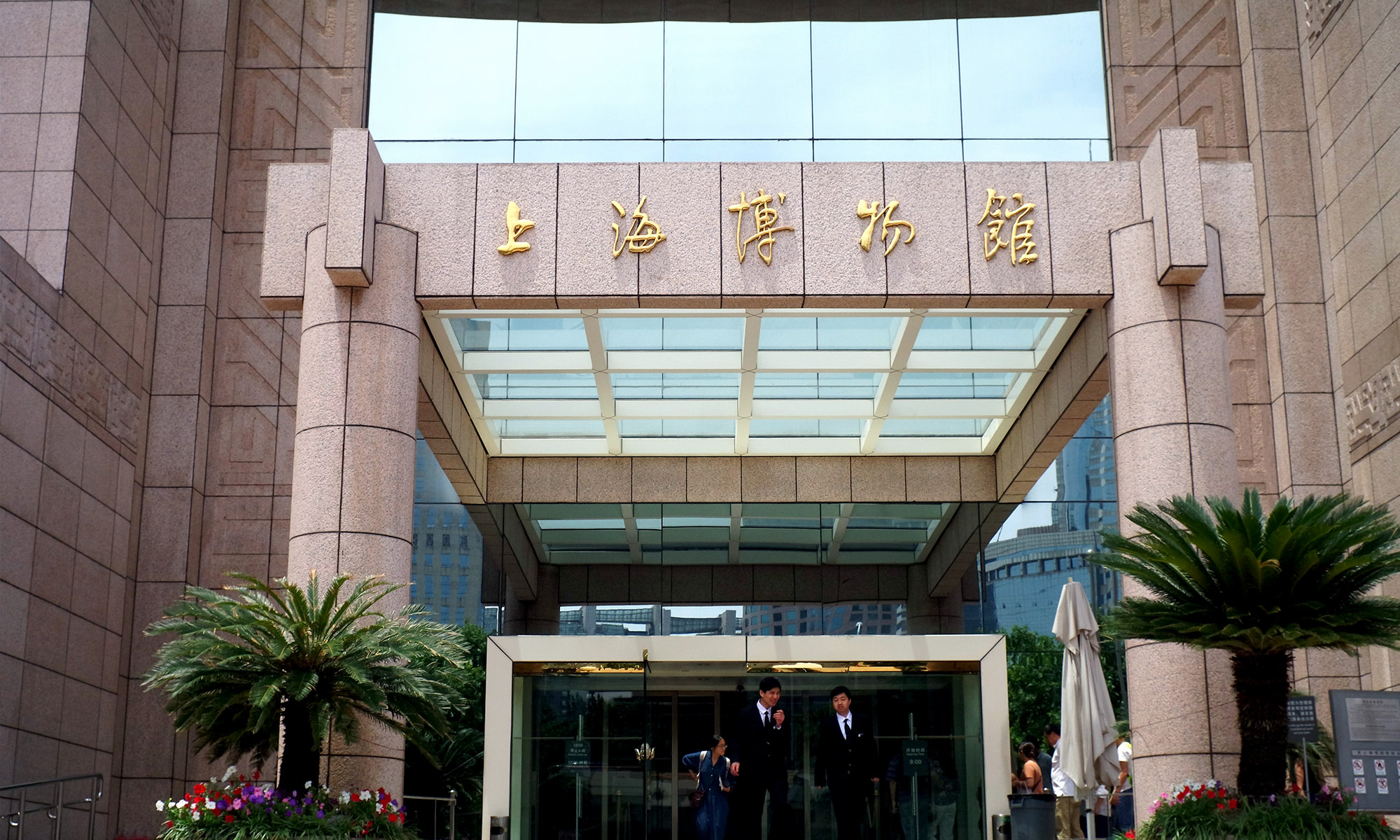
Şanghay merkezinde, Halk Meydanı'nda yer almaktadır, Şanghay Müzesi, geleneksel kültür ile modern ruhun seçkin bir mimari birleşimidir, dünyadaki birçok müze arasında benzersiz kılmaktadır. Antik Çin sanatının büyük bir müzesi olarak, Şanghay Müzesi, zengin ve yüksek kaliteli bir koleksiyona sahiptir 120,000 antik Çin bronzu dahil değerli sanat eserleri, seramikler, resim ve hat sanatı dünyada özel olarak kutlanır.
Şanghay Müzesi Hızlı Gerçekler
• Çince Adı: Şanghay Bowuguan 上海博物馆
• Ziyaret İçin En İyi Zaman: Yıl boyunca
• Tavsiye Edilen Ziyaret Saatleri: Saat 2 to 3 saat
• Yapılacak Şeyler: Fotoğrafçılık, Mimari, Antik Çin Sanatı
• Çalışma Saatleri: Salı'dan Pazar'a, 09:00-17:00
• Giriş Ücreti: Ücretsiz
• Adres: Hayır. 201, Renmin Caddesi, Huangpu Bölgesi, Şanghay
Şanghay Müzesi'nde neler beklenecek
Müze Tarihi
Şanghay Müzesi kuruldu 1952,Eski Şanghay Yarış Kulübü'nde bulunuyordu, 325 Batı Nanjing Yolu, O zamandan beri istikrarlı bir şekilde gelişti. Şanghay Müzesi eski Zhonghui Binası'na taşındı, 16 Ekim ayında Güney Henan Yolu 1959. In 1992, the Shanghai Municipal Government decided to allocate People Square, the very center of the city, as the new site of Shanghai Museum.
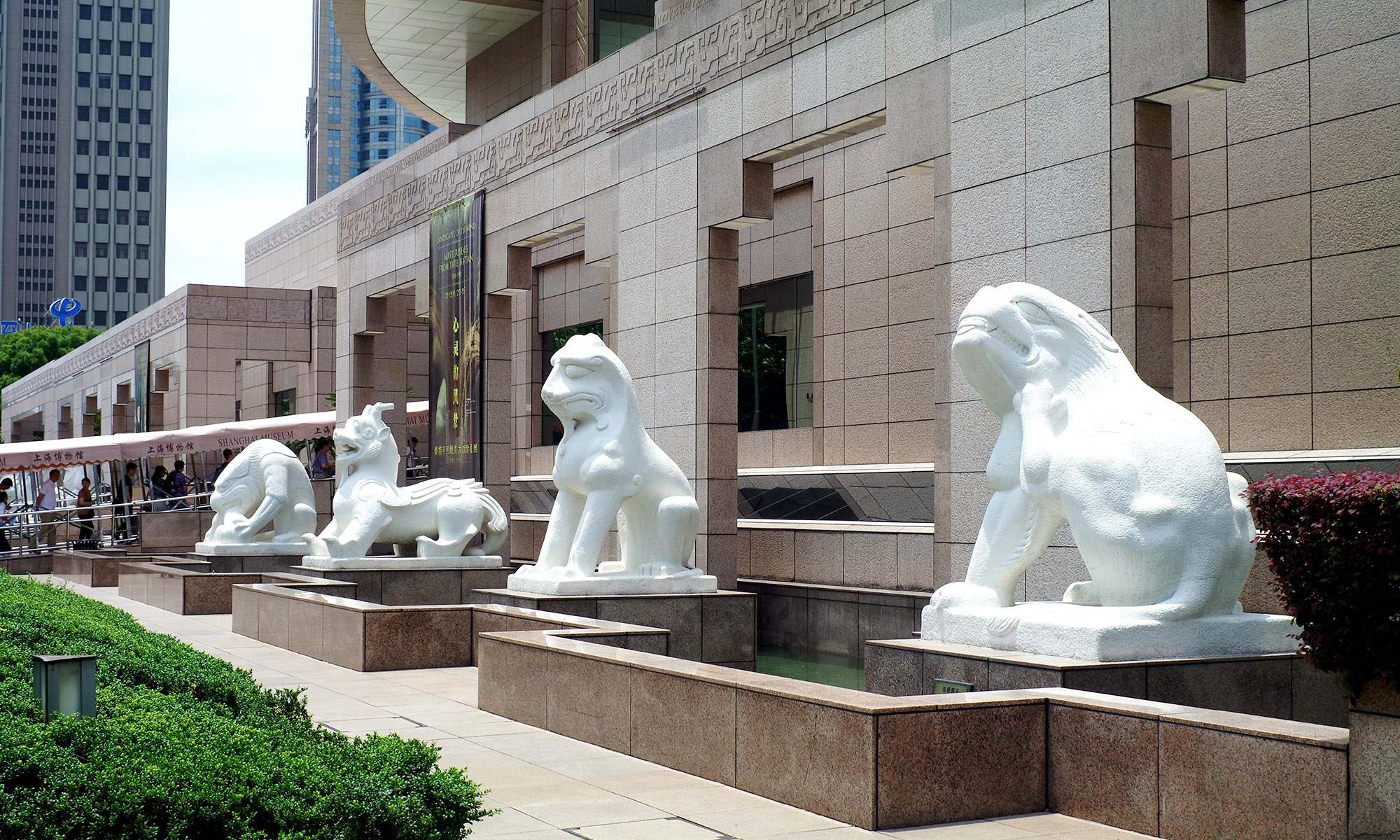
The construction of the new premises of the Shanghai Museum started in August 1993 and was completed and opened to the public on October 12, 1996. Covering a total area of 39,200m2, with a height of 29.5m, the round celestial dome and the square earth base which symbolize the philosophy of a spherical heaven and a square earth, form an extraordinary visual effect. It is a distinguished architectural combination of traditional culture and modern spirit, making her unique among many museums in the world. The new Shanghai Museum has ten galleries for permanent collections and three temporary exhibition spaces. The Shanghai Museum extends a warm welcome to visitors from all over the world.
Masterpieces in the Museum
Due to the large number of cultural relics on display, and the limited visiting time, visitors must be quite concerned about how to appreciate some of the best works in each gallery during the tour. The following are cultural relics of special significance. They are remarkable for their craftsmanship and appearance.
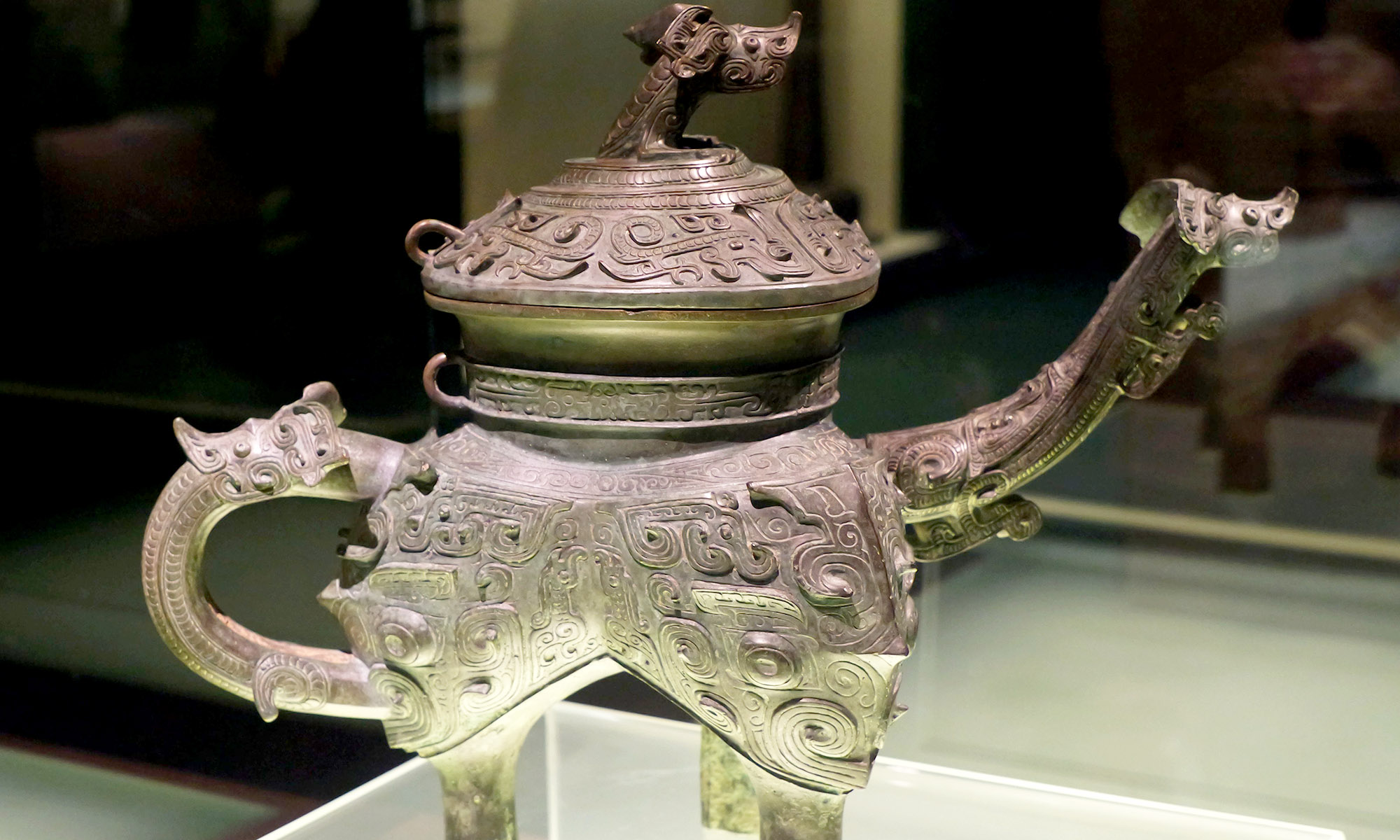
Ancient Chinese Bronze Gallery (F1)
Yue (weapon) Inlaid with Cross Pattern: Dated from Late Xia (18th – 16MÖ. yüzyıl) , this broad-axe is thick and solid, inlaid with delicate and beautiful decorations which are very well preserved. Yue is a long-handled arc-bladed hacking weapon, as well as an instrument of torture.
Jia (şarap kabı) with Animal-mask Design: Jia is a wine vessel used for sacrificial rituals. Kabın yüzeyi, yoğun ve abartılı çizgilerle hayvan maskesi motifiyle süslenmiştir, Gizemli ve saygın bir stil sergiliyor. Mevcut Orta Shang hanedanı bronz Jia'ları arasında böyle süslemeye sahip tek parça.
Ya Hu Kare Lei (büyük şarap kabı): Lei, geç Shang ve Orta-Batı Zhou hanedanlarında yaygın olarak görülen büyük bir şarap kabıdır. Bronz sanatı, geç Shang hanedanında zirveye ulaştı. Bu eser etkileyici ve saygıdeğer, ince işçilik ve görkemli, her türünün arasında öne çıkıyor.
Jia Gui (yiyecek kabı): Gui, bir yiyecek kabı olarak, erken Shang'da ortaya çıkışından sonra bronz kurban eşyalasında giderek önemli bir eser haline gelmişti. Kuş benzeri desenler, geç Shang ve erken Zhou dönemlerinin dikdörtgen duvarlı kaplarının kenarlarını süslemek için sıkça kullanılır. İç tabanda Jia'nın bulduğu tek kelimenin yazıtı, sahibinin adıdır.
Da Ke Ding (yiyecek kabı): Da Ke Ding, Famen Tapınağı'nın mahzeninde kazılmıştır, Fufeng İlçesi, Guangxu dönemi Shaanxi Eyaleti. Shanghai Müzesi koleksiyonunun başlıca hazinesidir, ayrıca sıkça anılan ve dünya çapında ünlü bir ulusal hazinedir. Görkemli ve heybetli şekli ile, pürüzsüz ve görkemli süslemeleri ile, bu Ding, o dönemin resim ve heykel sanatını mükemmel şekilde bütünleştirir.
Pan (su kapları) Zi Zhong Jiang'a ait: Pan, Shang ve Zhou dönemlerinde kurban törenleri ve ziyafetler sırasında ritüel yıkamadan sonra kullanılan suyu saklamak için kullanılan bir su kabıdır. İç kısmı birçok su canlısıyla süslenmiştir, ya kabartma ya da üç boyutlu olarak. The most extraordinary feature is that all the round-carved animals can be swiveled in 360 degrees. It is an unprecedented wonderful creation.
Bells of Marquis Su of Jin: Unearthed at the tomb of the Marquis of Jin, Beizhao Village, Quwo County, Shanxi province in 1992, this set of musical chimes with a total of 16 parçalar, can be divided into two groups, ile 8 pieces for each. Lining up according to size, these pieces can form two rows of chimes with harmonious scales and rhythms. With a total of 355 characters inscriptions carved, this is the first of its kind in the bronze inscription in the Western Zhou.
Ox-shaped Zun (şarap kabı): This piece of work is modeled like a water buffalo. Judging from its structure, it is a wine-warming vessel. Şarabı ısıtmak için içi boş karnına sıcak su dökülebilir, arkasındaki tencere şeklindeki kapta. Hayvan şeklinde Zun şarap kabının modellenmesi Çin bronzlarının benzersiz bir özelliğidir.
Kap onurlu görünüyor.
Açık İşli Sarmal Ejderha Tasarımı Davul Standı: Tamul standı halka ayaklı bir yarım ayaklıdır. Ortadaki yükseltilmiş boş silindir tambur kolonunu yerleştirmek için kullanılır. On iki iç içe dolanmış, yuvarlak oyma kıvrımlı ejderha, yarımküre şeklindeki tambur yüzeyinde tırmanıyor. Ağzında bir halka tutan ejderha başı yuvarlak oyulmuş ve ejderha bedenleri yüksek rölyeflidir. Döküm ve heykel sanatının birleşiminin bir modelidir.
Sekiz yaklı Cowrie Kabı: Cowrie kabı, Yunnan bölgesindeki Dian halkına ait özel bir bronz çömlektir. It got its name because it contained money cowrie when unearthed, Kapağında farklı jestlere sahip sekiz yakanın bulunduğu. Kapak üzerine dökülmüş bir büyük ve yedi küçük yak ile sinirli bele sahip bir silindir şeklinde olan kap. Lijiashan'da kazılmıştır, Jiangchuan, Yunnan eyaleti, bu eser, Yunnan bronz kültürünün özelliklerini yansıtan simgesel bir eserdir.
Antik Çin Heykel Galerisi (F1)
Lute Çalan Figür: Sichuan'dan gelen bu toprak figür, yerel toprak nedeniyle kırmızı renktedir. Baş ve vücut ayrı kalıplanmış ve boyunda birleştirilmiştir. Figürün canlı ve hareketli görünümü, esere melodide kendini kaybetmiş çalanın rahat ve hoş ruh halini ve ifadesini tam olarak yansıtır.
Wang Longsheng ve Diğerleri Tarafından Dikilen Budist Stele: Bu Budist stele, hacıların isimlerinin üzerine kazınmış olması nedeniyle bu şekilde adlandırılmıştır: Wang Longsheng and others. It is carved in bas-relief. The carving of this stele is lively and vivid, embodied with complex contents, presented mainly through the skillful craft of bas-relief, with the carving on the back and the sides delicate and refined as well.
Shakyamuni Buddha: The statue is carved from a white marble. H Shakyamuni Buddha looks graceful and elegant, with a clear, wise and kind expression, bearing a bright, intelligent and kind look, coupled with the fine and magnificent backlight, which creates a solemn harmonious feeling.
Group of Three Amitabha Buddhas: The common bronze Buddha statue usually appears as a single piece, while this piece of work is presented in the form of an altar table, showing a sense of dimensional space, as if it is unfolding the Buddhist world in front of us. Bu Amitabha üçlü heykeli olağanüstü işçiliği gösteriyor.
Bodhisattva: Bu diz çökmüş Bodhisattva, özenli işçilikle yapılmış beyaz mermerden, yüzü dolgun ve bakışları aşağıya baktığı için sakin ve sevimli görünüyor. İnce belinden dökülen uzun elbise, drapelerin canlı oymasıyla dinamik görünüyor. Ve tamamlanmamış kollar genellikle bir Venüs’ün zerafeti ile ilişkilendirilir. Bu, Tang hanedanının Bodhisattva heykellerinin bir başyapıtıdır.
Kaşyapa Başlığı: Tang hanedanının ahşap heykelleri korumak son derece zordur. Kaşyapa’nın ahşap başının nişinin arkasında, bir yandan hale desteği sağlamak için oyulmuş boş bir çerçeve var, ve beklenmedik bir şekilde öte yandan ağacın çatlamasını önlüyor, bu eserin günümüze kadar korunmasını sağlıyor. The paint peeled off over the long years and the wood grain was exposed, showing the beauty and simplicity of wood carving art.
How to get to Shanghai Museum
Metro ile
• Metro Hattı'na binin 1, Hat 2, ya da Hat 8 Halk Meydanı İstasyonu'nda nasıl inilir (Çıkış 1).
Otobüsle
• No'lu otobüsü alın. 46, 49, 123, 145, 312, 451 Halk Meydanı İstasyonu'nda nasıl inilir.
Additional travel advice on Shanghai Museum
• The Museum is closed on Monday except Chinese public holidays.
• The Museum issues up to 8,000 ücretsiz bilet verir.
• Bileti almak için pasaportunuzu yanınızda bulundurun.
• Photography is permitted but using flash or tripod is prohibited.
• The Shanghai Museum reserves the rights to charge on some special temporary exhibitions.