+86-29-8964-0200
info@islamichina.com

Introducing Panmen Scenic Area
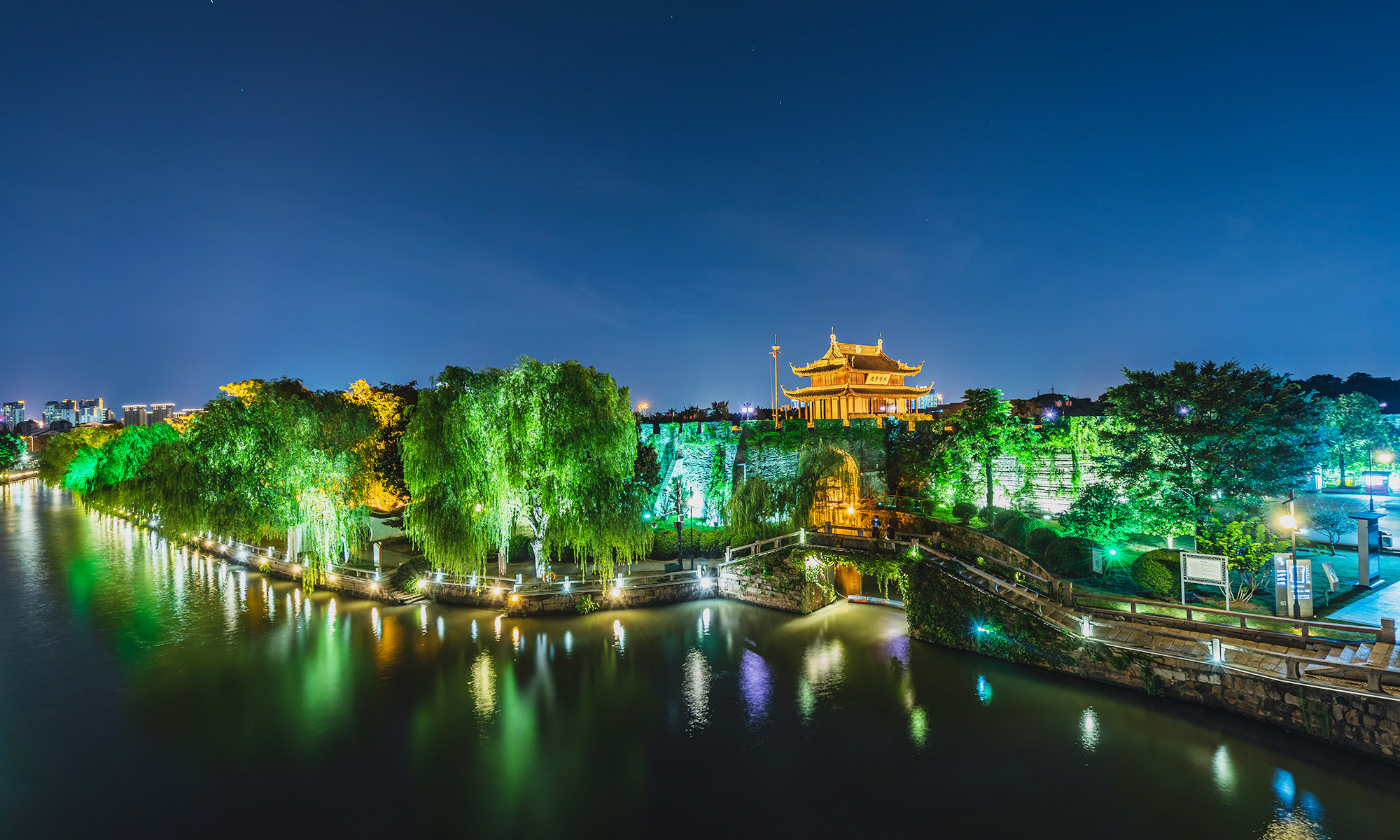
Panmen Manzara Alanı, Suzhou'nun eski kısmının güneybatısında yer alır, kuzeyde Wugong Pan-Pacific Grand Hotel ve Xinshi Rd yanında, güneyde Huancheng Nehri. Panmen Manzara Alanı üç ünlü manzara noktası içerir, Kara ve Su Şehir Kapıları, Ruiguang Pagodası, Wumen Köprüsü. Yeni Panmen manzara alanı Eylül ayında halka resmi olarak açıldı 23, 1999. APEC maliye bakanları toplantısı Suzhou'da düzenlendiğinde, Eylül ayında 2001, manzaralı bölgenin Sirui Salonu mekan olarak seçildi.
Panmen Manzara Alanı Hızlı Bilgiler
• Çince Adı: Panmen Jingqu 盘门景区
• Ziyaret İçin En İyi Zaman: Nisan - Ekim
• Tavsiye Edilen Ziyaret Saatleri: Saat 2 to 3 saat
• Yapılacak Şeyler: Fotoğrafçılık, Mimari, Tarih ve Kültür
• Çalışma Saatleri: 07:00-17:00 (Gündüz); 18:00-20:00 (Gece)
• Giriş Ücreti: ¥40 (Gündüz) / ¥40 (Gece Bahçesi) / ¥6 (Pagodaya tırmanma)
• Adres: Hayır. 49 Doğu Caddesi, Canglang Bölgesi, Suzhou, Jiangsu Eyaleti
Panmen Manzara Alanı'nda neler beklenecek
Panmen Kapısı, İl kalıntı koruma birimi altındadır, eski Suzhou'daki sekiz önemli kapıdan biriydi ve burada inşa edilmiştir 514 MÖ. Panmen Kapısı adını ahşap oyma işinden almıştır, Pan Long (kıvrılmış ejderha) Yue Devleti'ni korkutmak için kapının tepesinde. Daha sonra Panmen Kapısı adını aldı, dolanma anlamı (ejderha) kapı. Mevcut kapı Yuan Hanedanı döneminde inşa edilmiştir, ve kapı kulesi yaz aylarında yenilendi 1986. Panmen Kapısı su güzergahında iki kapıdan oluşur, kara üzerinde iki kapıdan oluşur, ayrıca iç ve dış kapılar arasında bir çevre, kapı kuleleri, kapılardan çıkan şehir surları. Panmen Manzara Alanı, Suzhou ve Çin'de iyi korunmuş tek kara ve su kapısıdır.
Kara ve Su Şehir Kapıları
Kara kapılarının iç ve dış kısmı var, aralarında düşmanla savaşmak için birlikleri saklamak için bir çevre var. The water gates and land gates are closely joined, with inner and outer parts, aynı zamanda, and hidden approaches to the towers. They are both equipped with a large portcullis which, in ancient times, could be lift or let down to control the flow of people or vessels to defend the town.
Şehir Duvarı & Wumen Bridge
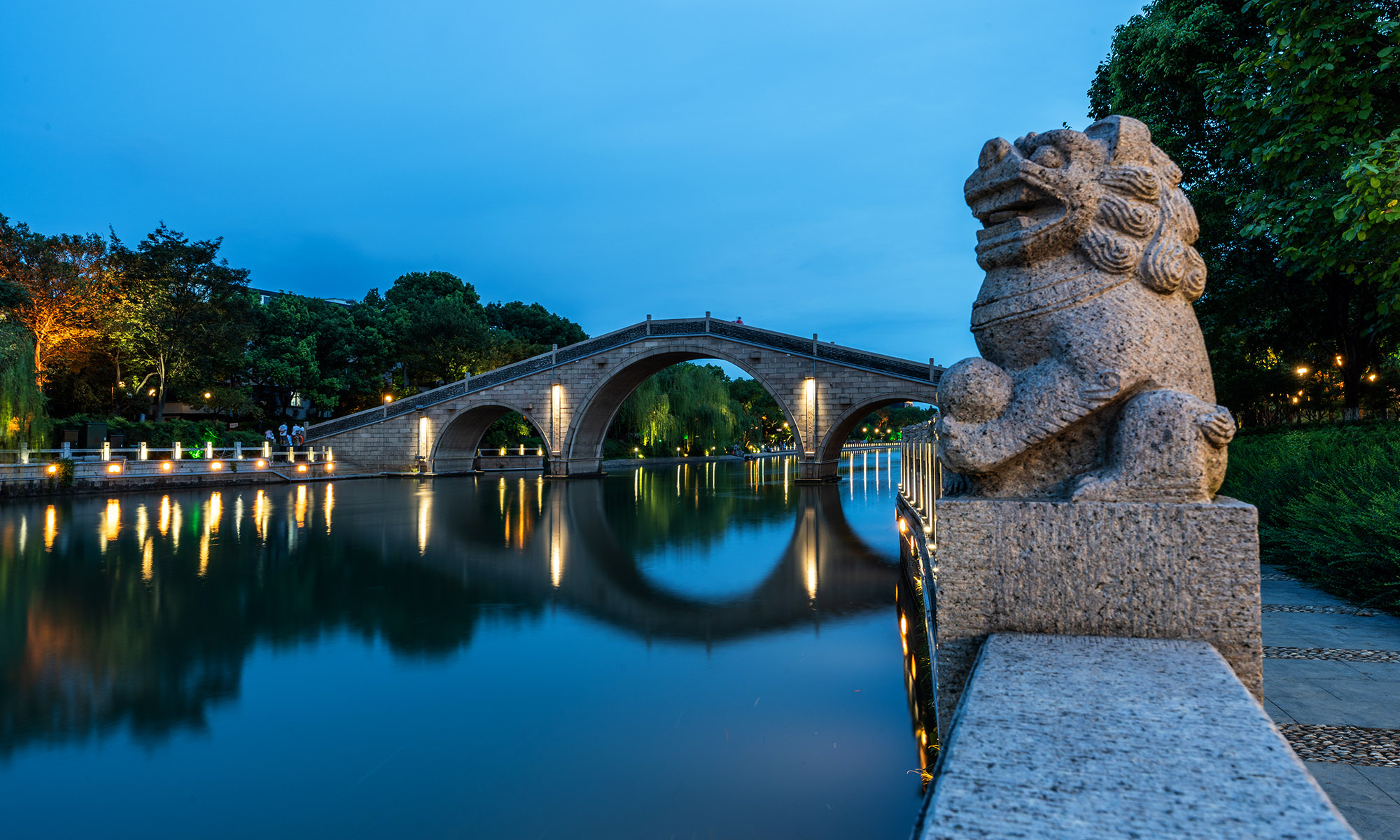
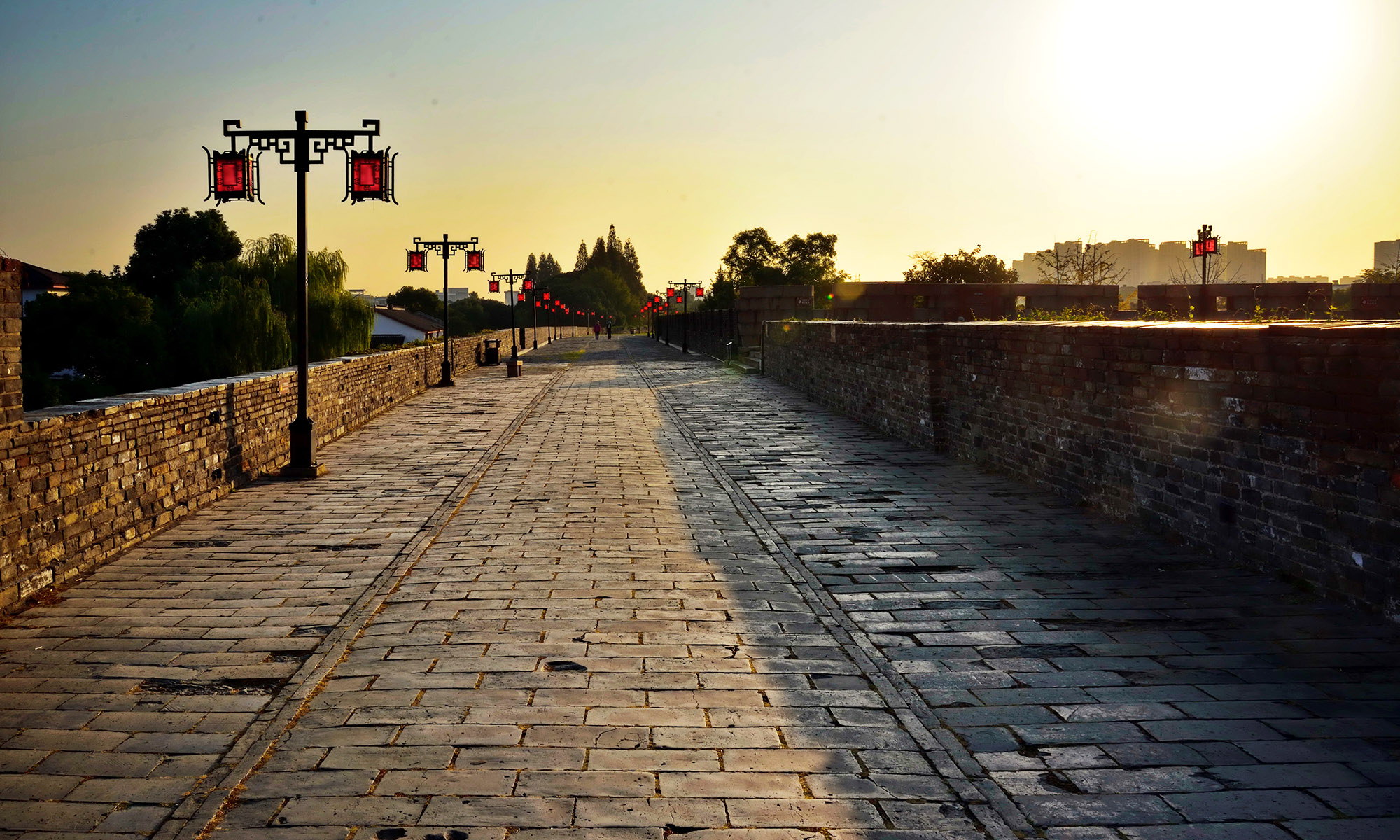
The walls are accessible from the northern slope and offer a panoramic view of the entire structure, both the land gates and water gates. The town walls were well equipped to defend the town, with battlements, cannon, arrow slits, holes to fire, locked entrances, gates, and a way to prevent fires. The running water beyond the Panmen Gate had a strategic importance during warfare in times past. So there is an inscription on the Panmen gate tower announcing that it is, Key to the Central State of Wu. There are also opposing couplets reading, “City walls of ancient Wu are thick and solid, swords and flames are often brought to the capital.” A visitor can hardly help being a bit nostalgic while examining the couplets and historical relics. The Wumen Bridge, which is adjacent to the Panmen Gate and crosses the old Grand Canal, was first built during the Song Dynasty and rebuilt during the Qing, so it has a history of 130 years and is Suzhou’s only single-arch stone bridge still standing. Panmen Scenic Area is now a cultural relic under municipal protection. Panmen Scenic Area resembles a full moon and is 66 meters long, 16 meters along the clear span of the arch, and 9.85 meters on the arch rise. The southern and northern steps are paved with slate and supported with carved stone on both sides. The bridge has a light, graceful structure that is a good example of the features of bridges in waterside towns along the Yangtze River.
Ruiguang Pagodası
The 13-storey Ruiguang (Auspicious light) Pagoda, in the Puji Temple, was built by Sun Quan during the Three Kingdoms period (MS 220-280) as a way to repay maternal love. It is also known as Bao’en (Paying for maternal love) pagoda, and was the earliest Buddhist pagoda in Suzhou. According to a popular legend, the pagoda could give off multi-colored light. During the Song, Yuan Zhao, an eminent monk, would lecture on abstruse parts of Buddhist sutras so wondrously that the temple was the site of four auspicious omens — the drums in the hall chimed by themselves; withered bamboos in the courtyard turned green; a white turtle in the pond listened to Zen preaching; and the pagoda gave off multi-colored light. The Huizong emperor of the Song gave instructions that a horizontal tablet saying “Ruiguang Temple” be made. So, the Bao’en pagoda became the Ruiguang Temple pagoda.
The pagoda as it now is was built during the first year of Jingde during the Northern Song Dynasty (1004). It is 53.6 meters tall and has seven stories and eight sides. The pagoda slopes inward as it goes up with a curved line. It has a primitive simplicity, but is delicate and soft and shows the style and structures of a Tang and Song pagoda. Its main body was made of brick dating back to the Song Dynasty. The third story was the core of the pagoda. In 1978, a “heavenly palace” was found hidden in the storey, containing precious relics. The pagoda has an ingenious structure and has great historical, artistic and scientific value. In Jan 1988, the State Council added it to a third group of key cultural relics under national protection.
How to get to Panmen Scenic Area
• No'lu otobüsü alın. 39, 935, 949, Turist Hattı 2 ya da Hat 5 and get off at Panmen Scenic Area North Station.
• No'lu otobüsü alın. 921 and get off at Xinshiqiao South Station.
Additional travel advice on Panmen Scenic Area
• Tourist Center is at the east entrance of the scenic area, offering multiple services: Information Inquiry, Baby stroller/Phone charger/Wheelchair lending, vb.
• The entrance ticket includes boating (yaklaşık 10 dakikalar) for sightseeing.