+86-29-8964-0200
info@islamichina.com

تقديم نظام الري بدجيانغيان (من ويكيبيديا)
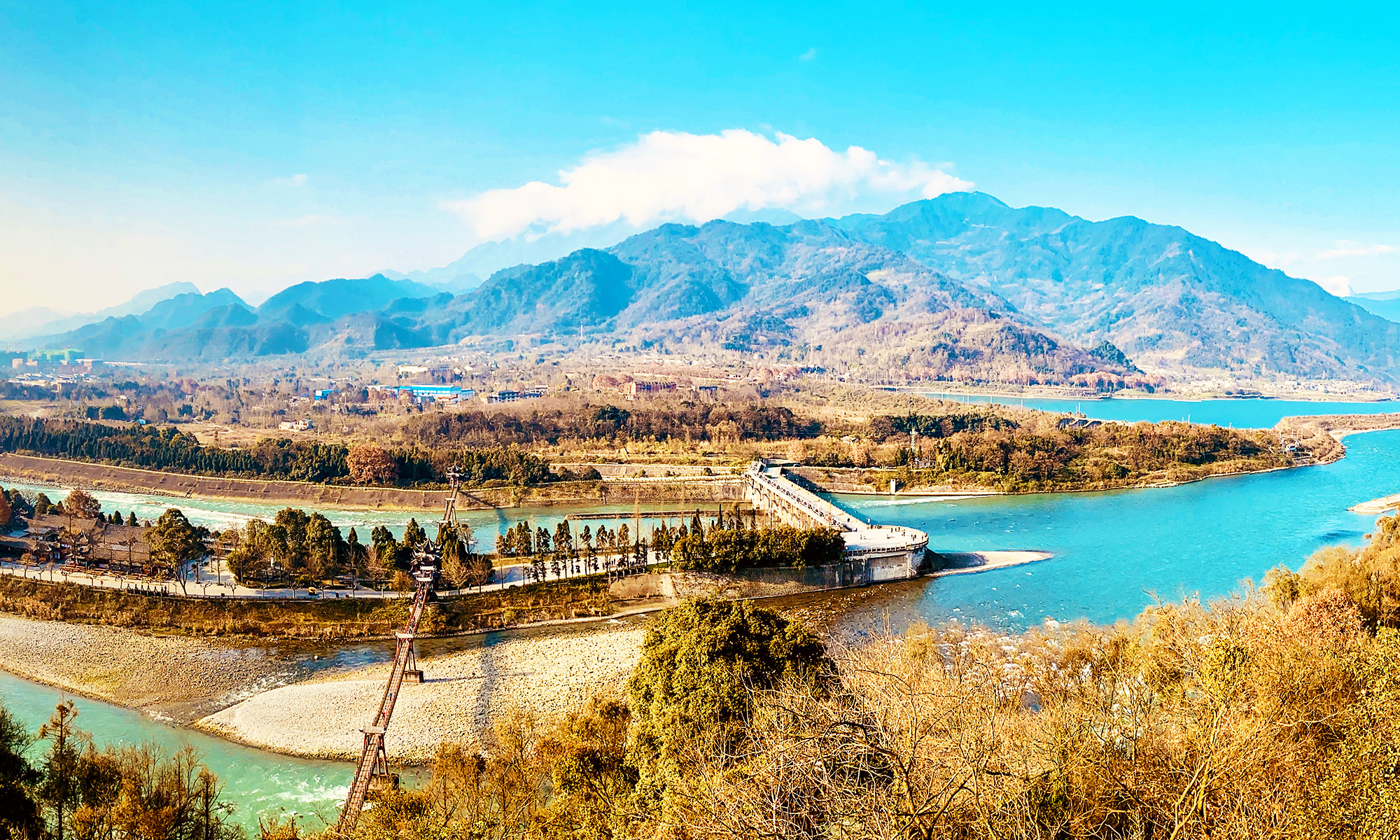
يعد نظام بدجيانغيان نظام ري قديم في مدينة بدجيانغيان. تم إنشاؤه في الأصل حوالى 256 قبل الميلاد بواسطة دولة تشين كمشروع للري ومكافحة الفيضانات, وما زال يستخدم حتى اليوم. تتطور البنية التحتية للنظام على نهر مين (مينجيانغ), أطول روافد نهر اليانغتسي. تقع المنطقة في الجزء الغربي من سهل تشنغدو, بين حوض سيتشوان وهضبة التبت. في الأصل, كان نهر مين يندفع من جبال مين ويبطئ فجأة بعد وصوله إلى سهل تشنغدو, مما يملأ مجرى المياه بالحمأة, مما يجعل المناطق القريبة شديدة التعرض للفيضانات. لي بينغ, الحاكم آنذاك لشوو نيابة عن دولة تشين, وتولى هو وابنه قيادة بناء بدجيانغيان, which harnessed the river using a new method of channeling and dividing the water rather than simply damming it. The water management scheme is still in use today to irrigate over 5,300 square kilometres (2,000 sq mi) of land in the region.
Dujiangyan Irrigation System Fast Facts
• الاسم الصيني: Du Jiang Yan 都江堰
• أفضل وقت للزيارة: من أبريل إلى أكتوبر
• ساعات الزيارة الموصى بها: حوالي 2 إلى 3 ساعات
• الأنشطة التي يمكن ممارستها: التصوير, والتاريخ & وثقافتها
• ساعات العمل: 08:30-18:00 من أبريل إلى أكتوبر, 08:00-17:30 من نوفمبر إلى مارس
• رسوم الدخول: ¥80
• العنوان: Gongyuan Road, Dujiangyan, إقليم سيتشوان
UNESCO says of Dujiangyan Irrigation System
The Dujiangyan irrigation system, located in the western portion of the Chengdu flatlands at the junction between the Sichuan basin and the Qinghai-Tibet plateau, is an ecological engineering feat originally constructed around 256 قبل الميلاد. Modified and enlarged during the Tang, Song, Yuan and Ming dynasties, it uses natural topographic and hydrological features to solve problems of diverting water for irrigation, draining sediment, flood control, and flow control without the use of dams. Today the system comprises two parts: the Weir Works, located at an altitude of 726m, the highest point of the Chengdu plain 1km from Dujiangyan City, and the irrigated area. Three key components of the Weir Works control the water from the upper valley of the Minjiang River: the Yuzui Bypass Dike, the Feishayan Floodgate, and the Baopingkou Diversion Passage. Together with ancillary embankments and watercourses including the Baizhang Dike, the Erwang Temple Watercourse and the V-Shaped Dike, these structures ensure a regular supply of water to the Chengdu plains. The system has produced comprehensive benefits in flood control, irrigation, water transport and general water consumption. Begun over 2,250 سنوات مضت, it now irrigates 668,700 hectares of farmland.
What to expect at Dujiangyan Irrigation System
Dujiangyan Irrigation System was built under the leadership of Li Bing, Governor of Shu Prefecturein the Qin State, to control the flood of the Minjiang River in 256BC. The project uses the way of “water diversion without a dam” and mainly comprises Fish Mouth Levee, Feisha Weir Spillway and Baopingkou. It takes advantage of the natural terrain at mountain pass of the Minjiang River and flow rules of the bend, and integrates three main works into a whole, thus to effectively solve problems of diversion irrigation, flood discharge and sediment ejection, form a scientific and integrate automatic irrigation and drainage system, inoculate the “Land of Abundance” Chengdu Plain.
Baopingkou
Baopingkou (also named Bottle-Neck Channel) is a gap cut on the long ridge of JianshanMountain (now called Guankou Mountain and Yulei Mountain) toward the Minjiang River, and also an artificial throat to control the water inflow of the InnerRiver. It is named after its shape like a bottle neck with amazing function. The hill on the right side of Baopingkou, separating from its mountain body, is called Lidui. The width and bottom height of Baopinkou are strictly controlled; the ancient people carved dozens of division lines on the palisades, which was named “Water Rule”, the earliest water gauge of China.
Fish Mouth
Dujiang Weir comprises Fish Mouth, Feisha Weir and Baopingkou. Fish Mouth, as a diversion dam built in the middle of river, separates the turbulent Minjiang River into Outer River and Inner River, which are used for flood discharge and diversion irrigation respectively. Feisha Weir plays a great role in discharging flood, removing sand and modulating water flow. Baopinkou controls the rate of inflow and is named after its bottle-neck shape. It works until now, so it is called the “Live Water Conservation Museum”.
How to get to Dujiangyan Irrigation System
• Dujiangyan Irrigation System is approximately 60 km away from Chengdu.
• Bullet train is available from Chengdu to Dujiangyan.
• Take a bus from Chengdu Ximen Bus Station to Dujiangyang City. Then take bus No. 1 أو 4 to Dujiangyan Scenic Area.
• Rent a car/bus from GGC to enjoy a hassle free private transfer from hotels in Chengdu to Dujiangyan Irrigation System.
Additional travel advice on Dujiangyan Irrigation System
• Please wear comfortable hiking shoes and clothes.
• It often rains at Dujiangyan area. يرجى تجهيز مظلة أو معطف مطر معك.
• الملابس ذات الأكمام الطويلة ضرورية لمنع لدغات البعوض أو جهز طارد البعوض.
• يرجى أخذ الحذر أثناء الاستمتاع بالقرب من الماء.