+86-29-8964-0200
info@islamichina.com

تقديم منطقة سانفانغ تشيشيانغ
Sanfang Qixiang, الحي التاريخي المكون من الثلاثة أزقة والسبعة ممرات, يقع في فوشو, عاصمة مقاطعة فوجيان في الصين. تقع بين زيشنغ (وهي مجموعة أصغر من الأسوار المدينة) تم بناؤها في سلالة جين (3القرن الثالث - الرابع الميلادي) ولووشنغ (وهي مجموعة أكبر من الأسوار المدينة) تم بناؤها في سلالة تانغ (7القرن السابع - العاشر الميلادي). ويواجهها الحدود الجنوبية لزيشنغ من الشمال, المحور المركزي لفوشو من الشرق, نهر أنتاي والأسوار الأثرية المبنية في عهد تانغ والخمس سلالات اللاحقة (10القرن العاشر الميلادي) من الغرب, وتلال ووشان وتلال يوشان من الجنوب. في هذه المدينة الجميلة فوشو مع النهر والتلال, كان هذا الموقع موطناً للأدباء والوجهاء منذ عهد تانغ.
حقائق سريعة عن سانفانغ تشيشيانغ
• الاسم الصيني: سانفانغ تشيسيانغ 三坊七巷
• أفضل وقت للزيارة: طوال العام
• ساعات الزيارة الموصى بها: حوالي 2 إلى 3 ساعات
• الأنشطة التي يمكن ممارستها: التصوير, الهندسة المعمارية, الوجبات الخفيفة
• ساعات العمل: مفتوح طوال اليوم للمناطق العامة; 08:30-17:00 للمعالم السياحية برسوم
• رسوم الدخول: مجاني للشوارع; 90 يوان لتذكرة شاملة لدخول المعالم الداخلية
• العنوان: رقم. 58 شارع نانهوي, منطقة غولو, فوزهو, مقاطعة فوجيان
ما يمكن توقعه في سانفانغ تشيسيانغ
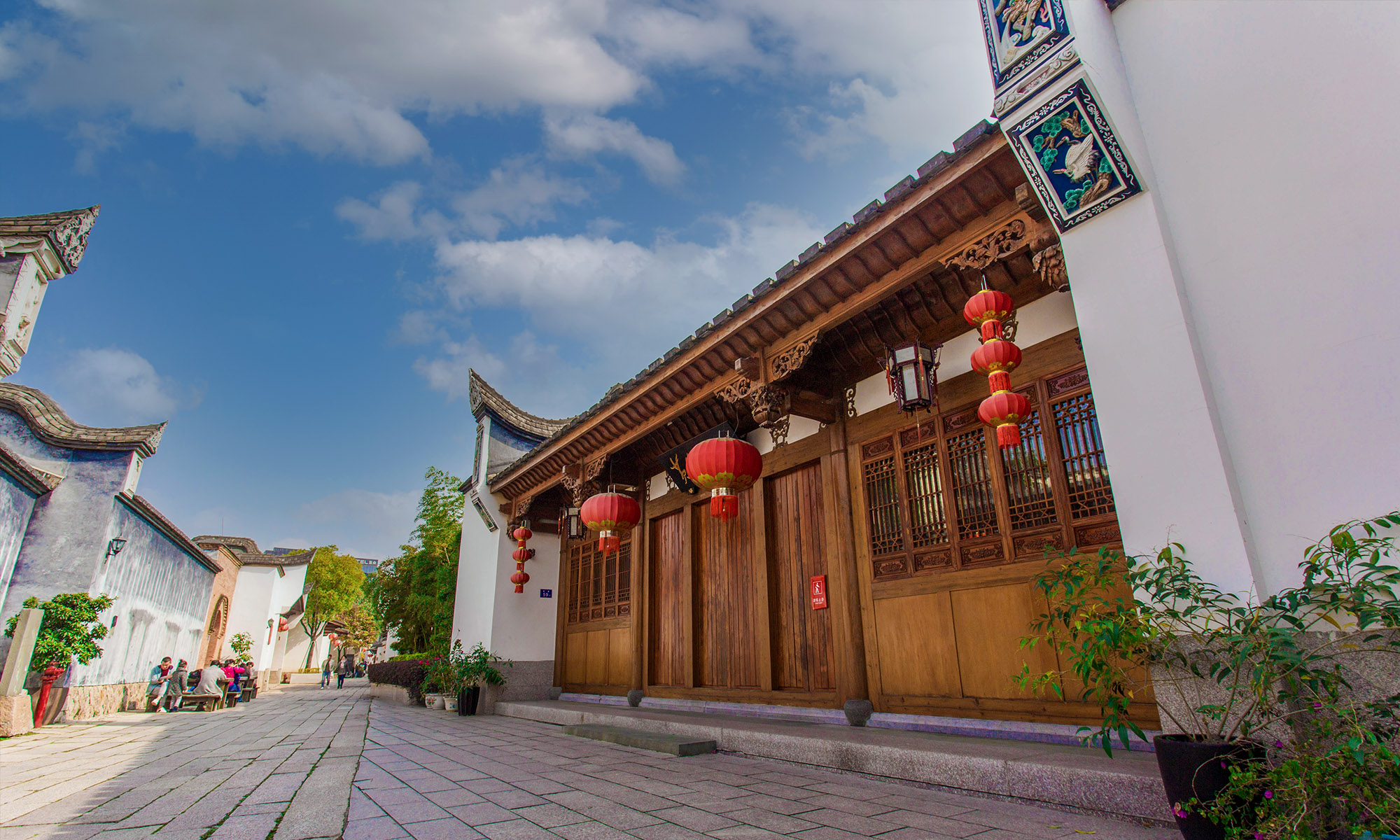
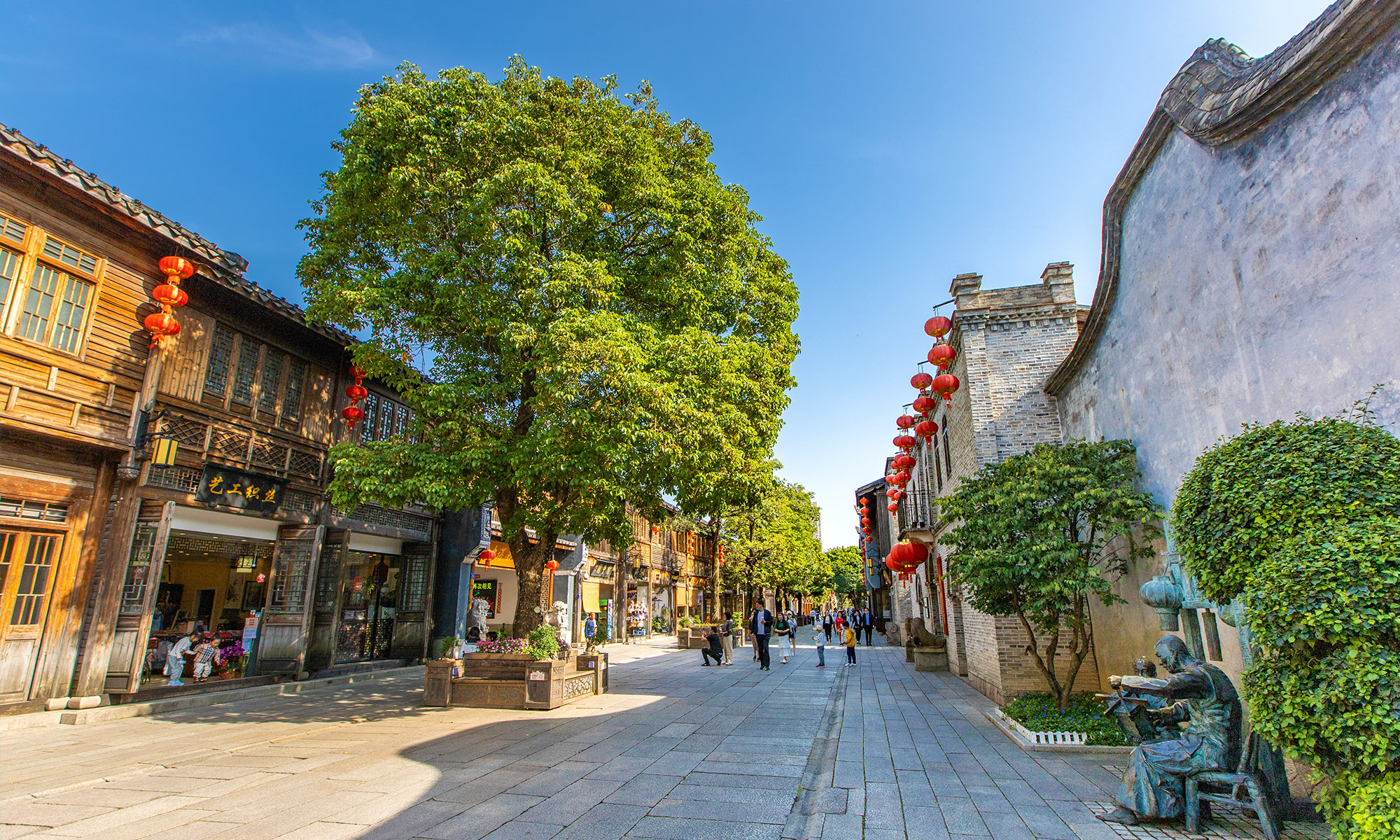
تُعد سانفانغ تشيسيانغ منطقة مستقلة نسبيًا في المدينة وقد حافظت على النسيج العمراني التقليدي لها من الأزقة والممرات التي تشكلت في عهد أسرتي جين وتانغ. مع شارع نانهوي كمحور رئيسي من الشمال إلى الجنوب لهذه المنطقة, الثلاثة أزقة من زقاق ييجين, زقاق ونرو وزقاق قوانغلُو تقع في الغرب, بينما السبعة أزقة من زقاق يانغتشياو (الطريق), زقاق لانغقوان, زقاق تا, زقاق هوانغ, زقاق آنمين, زقاق جونغ وزقاق جيبي (الطريق) تقع في الشرق, مما يشكل هيكل الشوارع الرئيسية على شكل عظم السمكة. The names of these lanes and alleys have been rarely changed since the Jin and the Tang Dynasties. The archaeological sites in this area have revealed the stratigraphically corresponding relationships between the current street pattern and the respective street structures in the Tang and subsequent dynasties (7th-20th century AD), which are evidences for the thousand years’ history of this area and evolution process of the Lifang System (an urban planning system for residential area), making the SanFangQiXiang the most integrated ancient urban residential area existing in China.
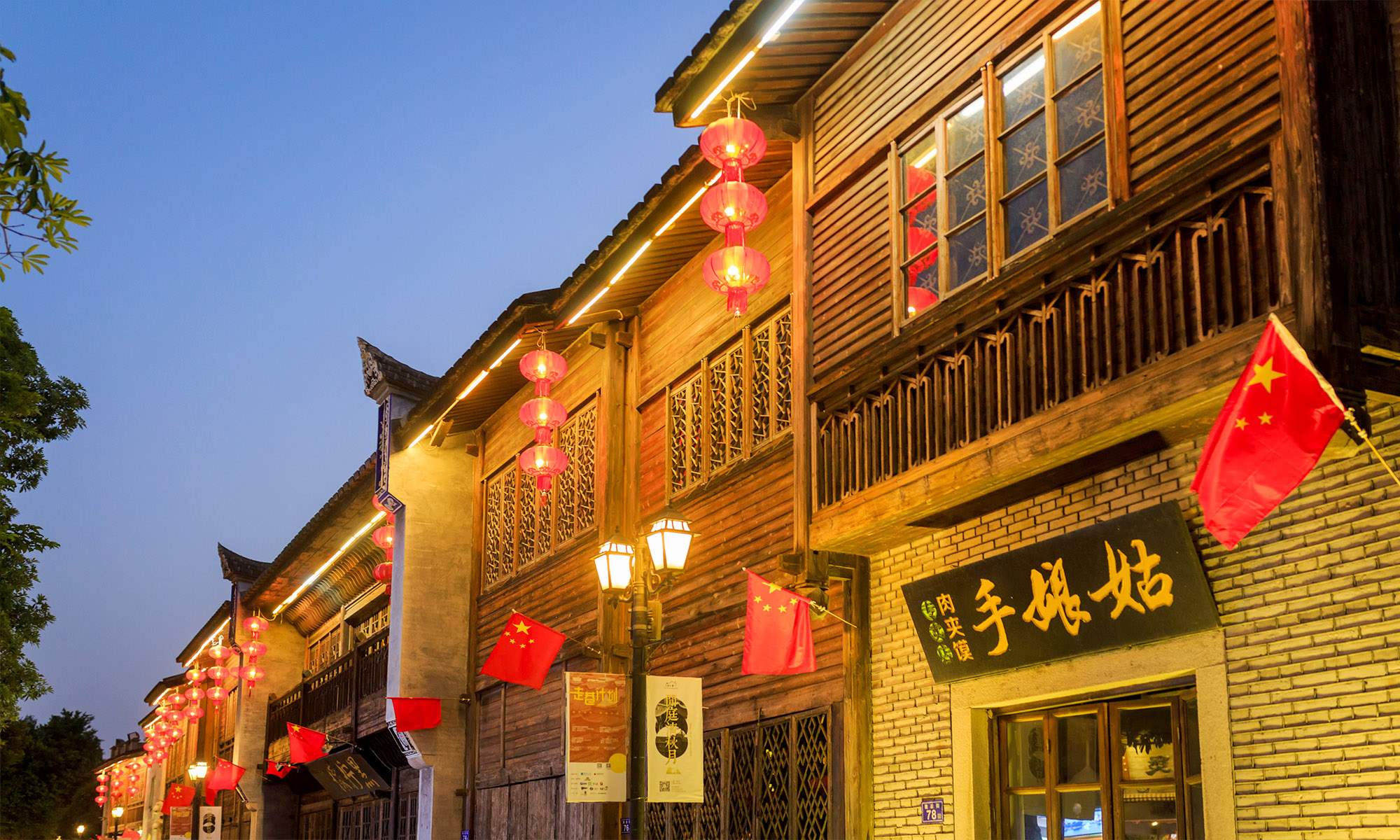
Due to the unique geographic location and its special setting, the Sanfang Qixiang of Fuzhou City has always been the residential area for the literati, officialdom and the wealthy gentry since the Jin and Tang Dynasties. Celebrities include famous scholars, politicians, military strategists, ideologists, and artists. There are more than 200 historical buildings of the Ming (14th-17th century AD) and the Qing Dynasties (17th-20th century AD) well preserved in this area. Most of them are traditional houses with courtyards or private gardens, while the others include community facilities for education, دينهم, commerce and patriarchal clan management. All these buildings compose a layered spatial structure from urban area to lanes and alleys, and to individual houses and courtyards in a strict order, which emanates an atmosphere of harmony and calm. Inside the houses, the exquisite details of architecture and gardening are hidden behind a simple appearance, which displays diverse tastes, interests, and the rich cultural deposition of those clans in a unified order and a harmonious atmosphere. The historical relics of Sanfang Qixiang in various periods jointly constitute a unique residential urban fabric and the cityscape of a traditional Chinese city, which exhibits the authentic life style of the traditional Chinese literati and officialdom class and their profound culture.
How to get to Sanfang Qixiang
عن طريق المترو
• خذ خط المترو 1 to Dongjiekou Station (Exit C).
بالأتوبيس
• Take Bus No. 5, 18, 22, 27, 55, 61, 66, 75, 118, 128, 301, 317, أو 327 and get off at Sanfang Qixiang Station.
Additional travel advice on Sanfang Qixiang
• Please take care of your belongings at street.
• It is not recommended to make the visit on public holidays.