+86-29-8964-0200
info@islamichina.com

Introducing Ramoche Monastery
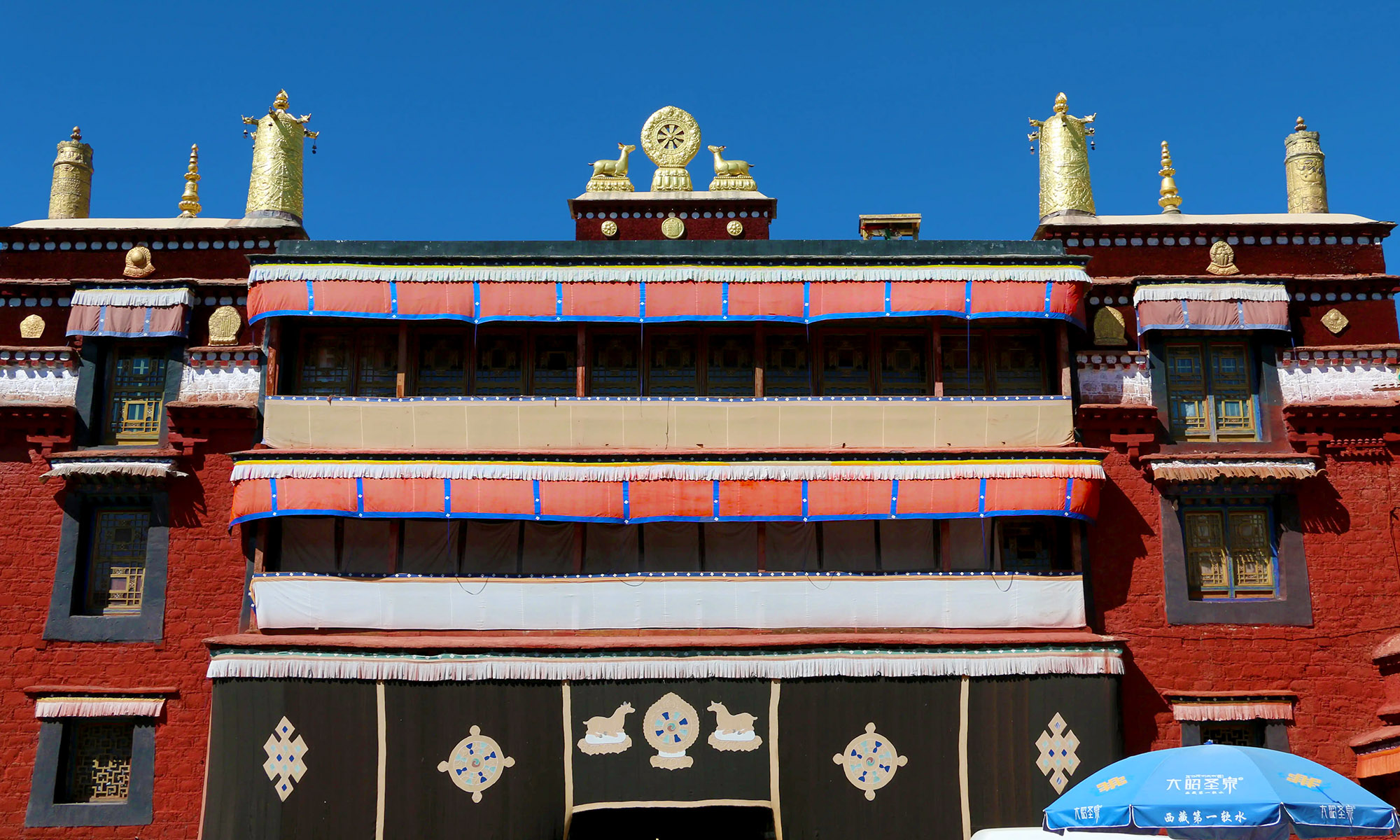
The Ramoche Monastery, Xiao Zhao Si in Chinese, is situated in the northwest of Lhasa, تغطي مساحة إجمالية 4,000 أمتار مربعة. Ramoche Monastery is one of the key cultural relic protection sites of Southwest China’s Tibet autonomous region as well as a hot attraction in Lhasa. في الوقت الحاضر, Ramoche Monastery has become the very place for the Tibetan monks to study Mi Zong (a Buddhist sect).
Ramoche Monastery Fast Facts
• الاسم الصيني: Xiao Zhao Si 小昭寺
• أفضل وقت للزيارة: من مارس إلى أكتوبر
• ساعات الزيارة الموصى بها: حوالي 1 إلى 2 ساعات
• الأنشطة التي يمكن ممارستها: التصوير, الهندسة المعمارية, البوذية التبتية
• ساعات العمل: 09:00-17:00
• رسوم الدخول: يوان صيني 30
• العنوان: رقم. 41 Xiaozhaosi Road, منطقة شينغوان, التبت, التبت
What to expect at Ramoche Monastery
The original building complex has a strong Tang (Han) architecture flavor, for it was first built by Chinese Han architects in the middle of the 7th century during the Tang Dynasty (618-907), when Tang Princess Wencheng took charge of the project and ordered the temple be erected facing east to show her homesickness. سقط الدير في الخراب ومر بالعديد من عمليات الترميم — لم يبقَ سوى قصر بوذا في الطابق الأول بحالته الأصلية. الدير الحالي راموتشي هو نتيجة الترميم الكبير في 1986.
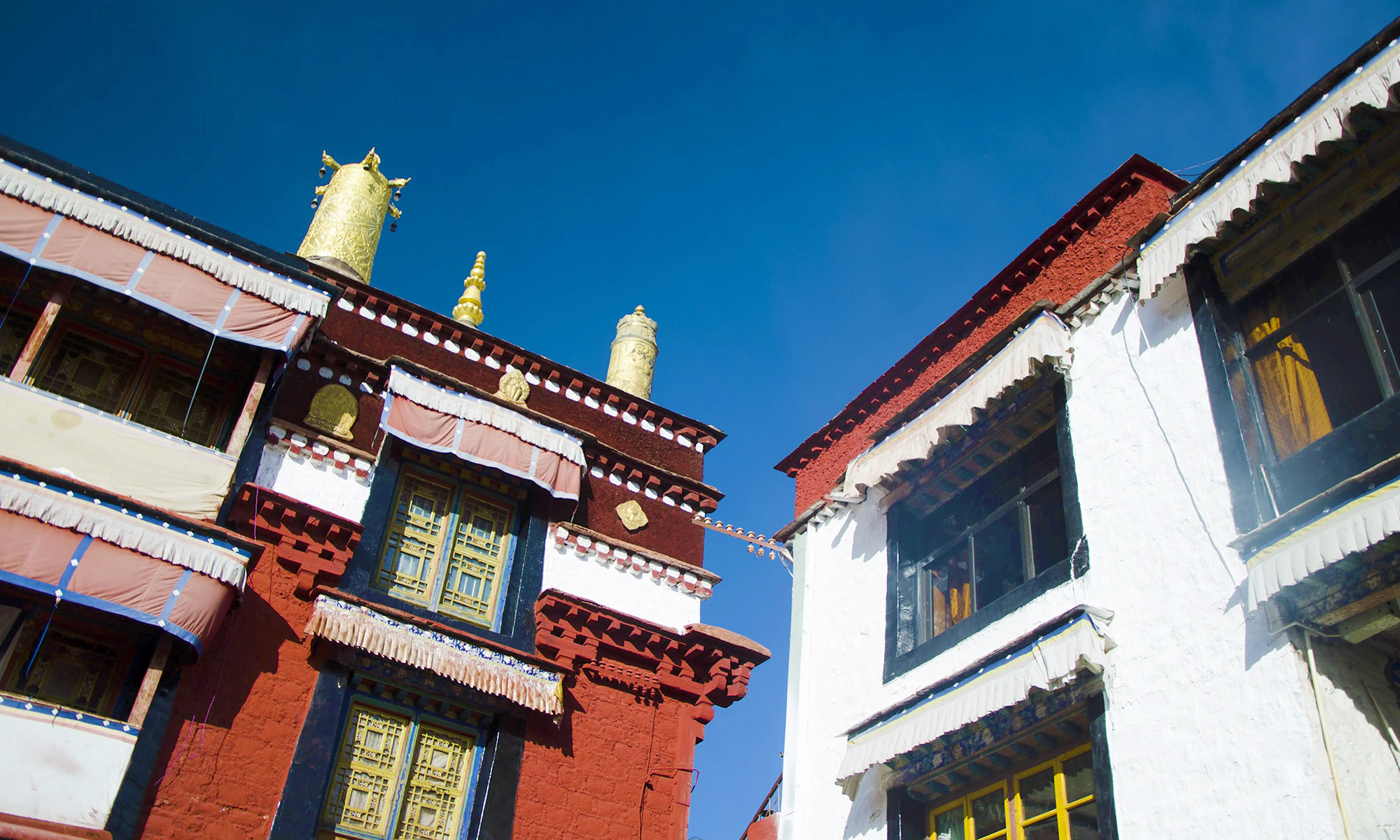
المبنى الرئيسي في دير راموتشي يحتوي على ثلاثة طوابق. الطابق الأول يحتوي على فناء داخلي, قاعة للكتب المقدسة, وقصر بوذا مع ممرات ملتوية. الطابق الثالث كان غرفة النوم المخصصة سابقًا للديلاي لاما. عند دخول المبنى الرئيسي, يمكن رؤية الأعمدة العشرة التي تحمل بعض الآثار التبتية الباقية مثل الزهور المصفوفة في صناديق, السحاب الملفوف, المجوهرات, والمحارف التبتية الخاصة. يمكن رؤية القمة الذهبية للدير مع السقف المنحني على الطراز الصيني من أي اتجاه في مدينة لهاسا. ولا حاجة للقول, Ramoche Monastery is a wonderful example of the combination of Han and Tibetan architectural styles.
One of Ramoche Monastery’s prized artifacts is the life-sized statue of the 12-year-old Sakyamuni, which Princess Wencheng brought from the capital Chang’an (today’s Xian in North China’s Shaanxi province) of the Tang Dynasty. As one of the precious cultural relics of Tibet, the statue is now placed in the Jokhang Temple, 500 meters south of the Ramoche Monastery. Residing within the Ramoche Monastery is the life-sized statue of the 8-year-old Sakyamuni, which was brought into Tibet by the Nepalese Princess Khridzun, and is regarded as the greatest saint in the Ramoche Monastery.
How to get to Ramoche Monastery
• خذ الحافلة 1, 2, 3, 4, 11, 12, 14, 16, 28, 29, 31 أو 36 and get off at Remuqi Station.
• Rent a car/bus from GGC to enjoy a hassle free private transfer from hotels in Lhasa to Ramoche Monastery.
Additional travel advice on Ramoche Monastery
• Ramoche Monastery is a religious site, لذلك يجب على الزوار ارتداء ملابس محتشمة, التصرف بأسلوب حسن. عدم التحدث بصوت عالٍ. عدم التدخين داخل المعبد.
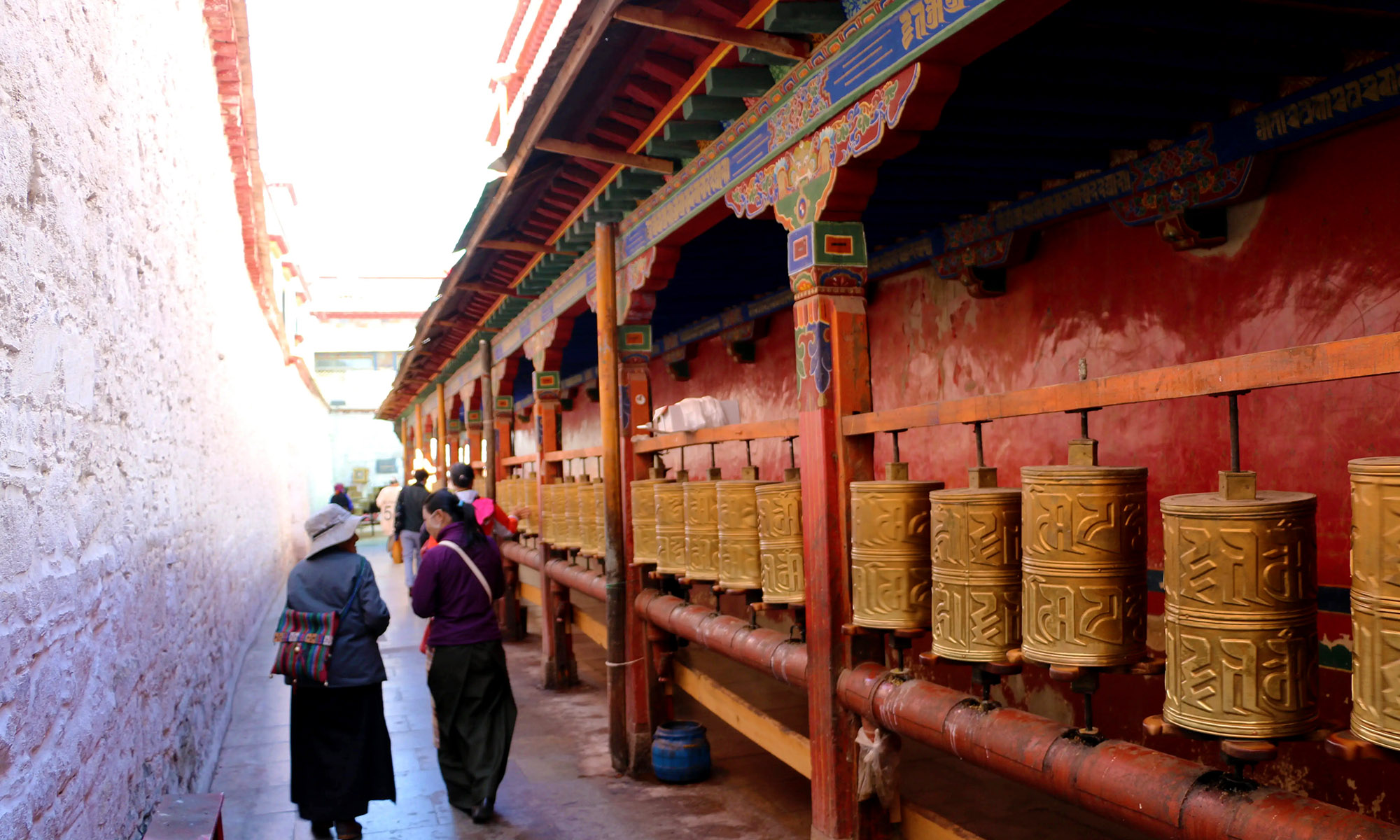
• وفقًا لمبدأ الثقافة التبتية, التجول حول المعابد, القصور وتدوير عجلات الصلاة يجب أن يتم في اتجاه عقارب الساعة.
• It is not allowed to take photos or shoot videos in the chapels.