+86-29-8964-0200
info@islamichina.com

Introducing Confucius Temple
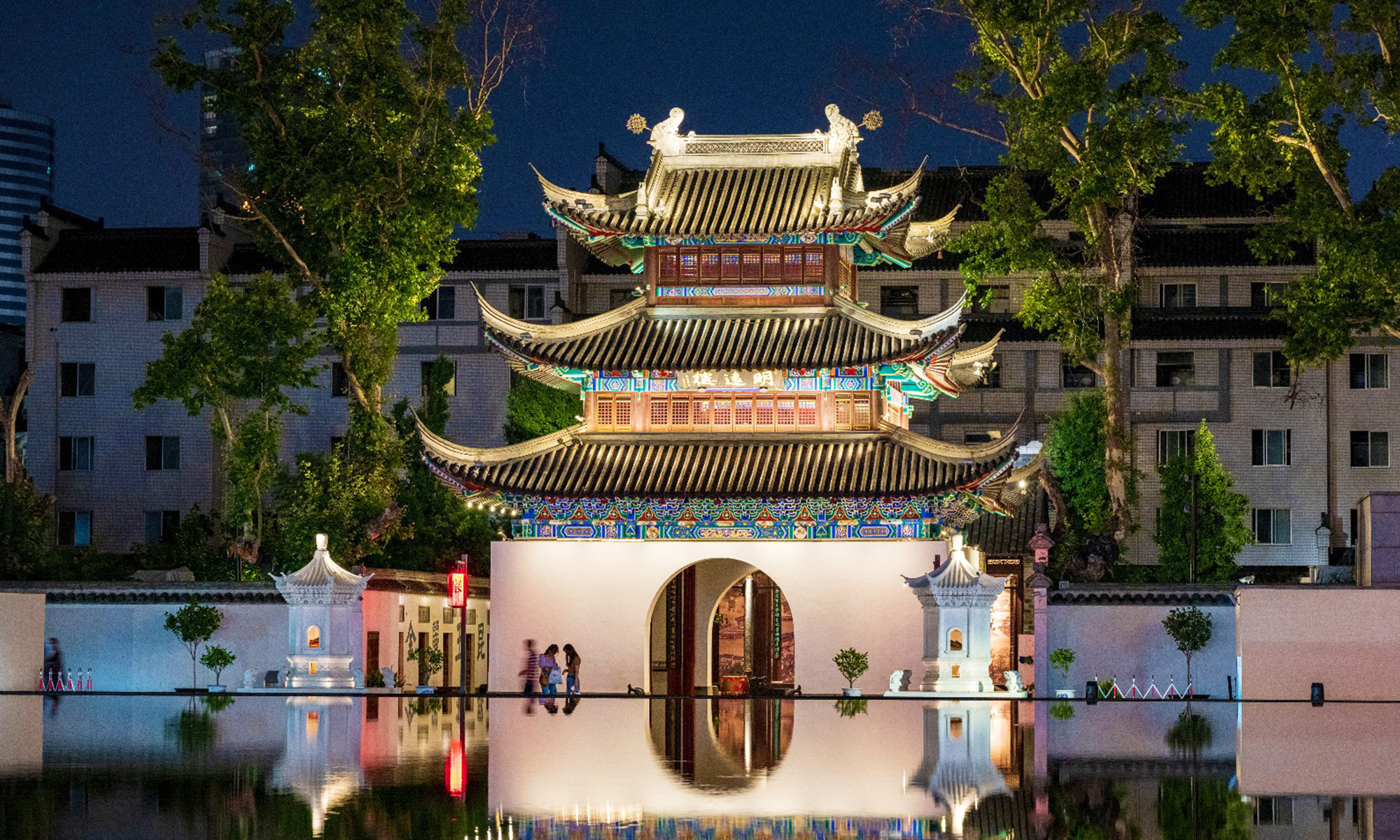
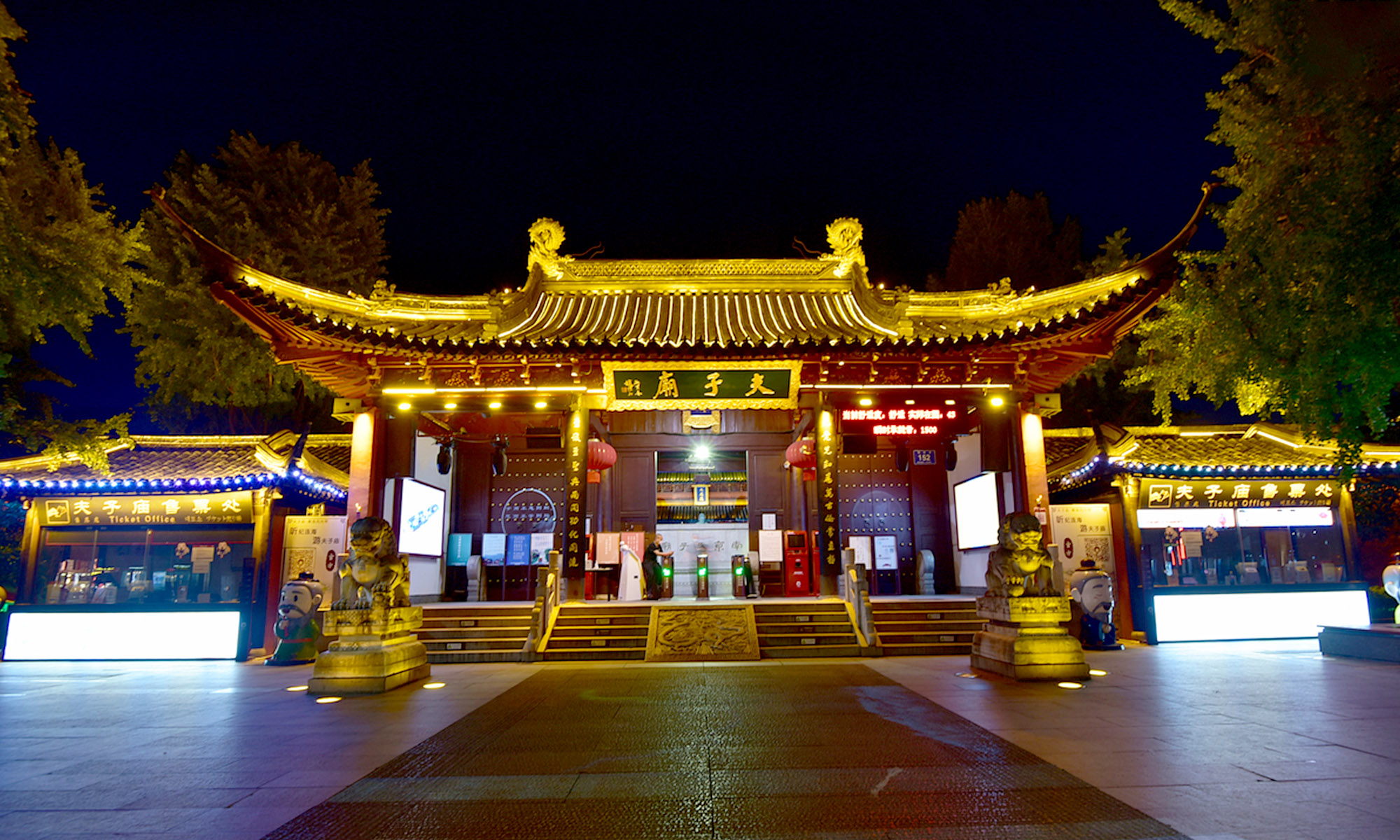
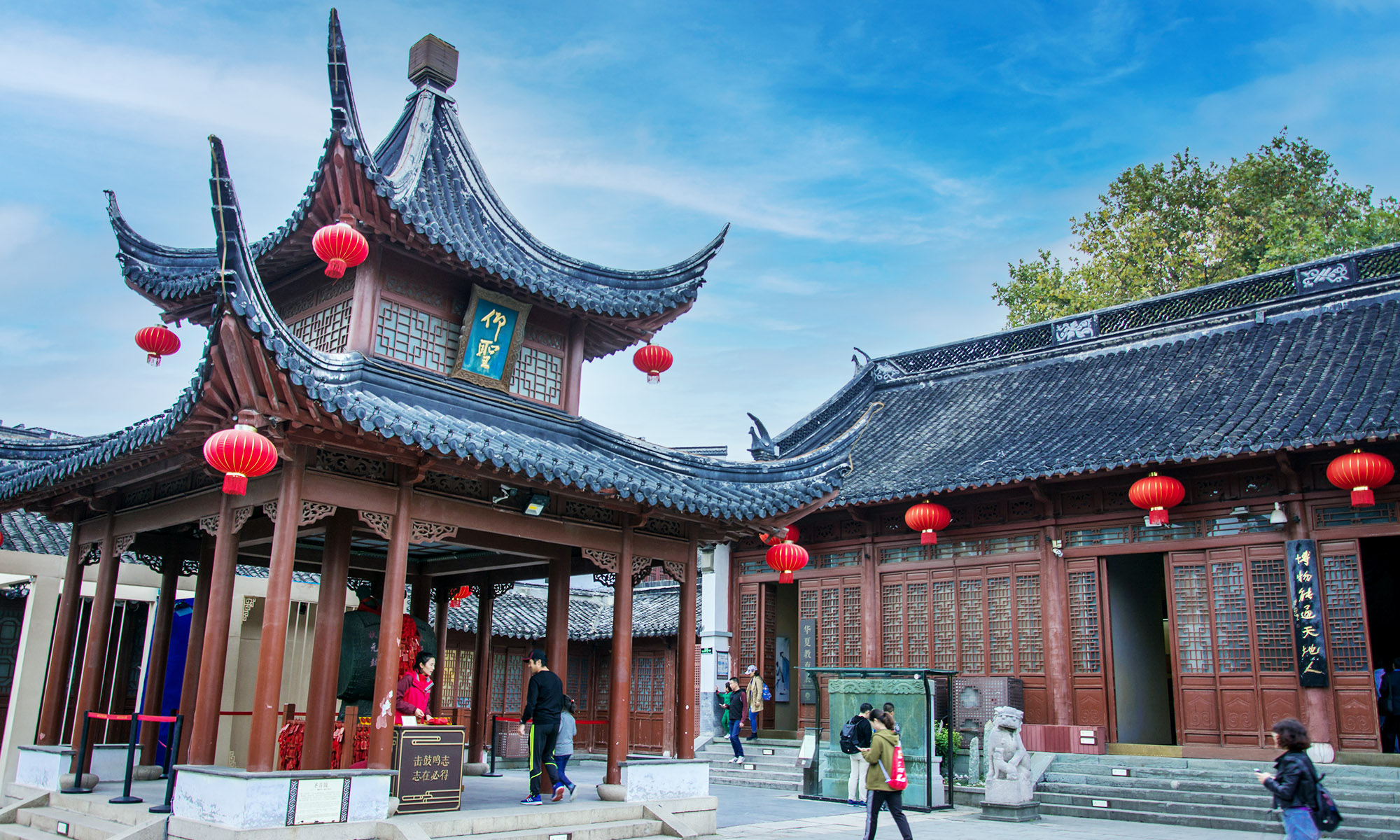
Nanjing Confucius Temple area, which is the most lively place at inner Qinhuai River. Nanjing Confucius Temple area has been historically known as the cream of Qinhuai River scenic area,which is commonly known as “Five-kilometer Qinhuai”. With Nanjing Confucius Temple ancient architectural ensemble as the center and the Qinhuai Riveras the axis, Nanjing Confucius Temple stretches from Dongshuiguan Park in the east to Xishuiguan Park in the west,Shuixi City-Gate. With historical and cultural foundation symbolic of urban development lasting over 2000 years in Nanjing, Nanjing Confucius Temple is one of the earliest important birthplaces of Nanjing and the most bustling cultural and commercial center in the history of Nanjing, representing its prosperity historically. تم بناء معبد كونفوشيوس في نانجينغ في الأصل في عام 1034 في عصر سلالة سونغ. كان مكانًا لعبادة وتقديس كونفوشيوس, الفيلسوف والمعلم العظيم للصين القديمة. تم حرقه خلال نهب اليابانيين لنانجينغ في 1937. تم بناء المباني الحالية في 1986 باستخدام أكبر قدر ممكن من الأحجار الأصلية.
حقائق سريعة عن معبد كونفوشيوس
• الاسم الصيني: فو زي مياو 夫子庙
• أفضل وقت للزيارة: مارس إلى نوفمبر
• ساعات الزيارة الموصى بها: حوالي 1 إلى 2 ساعات
• الأنشطة التي يمكن ممارستها: التصوير, الكونفوشيوسية, التاريخ والثقافة الصينية
• ساعات العمل: طوال اليوم; 09:00-21:00 لقصر داتشنغ; 09:00-21:00 لقاعة امتحانات جيانغنان
• رسوم الدخول: مجاني; يوان صيني 30 لقصر داتشنغ; يوان صيني 50 قاعة امتحانات جيانغنان
• العنوان: منطقة معبد كونفوشيوس, منطقة تشينهواي, نانجينغ, مقاطعة جيانغسو
ما يمكن توقعه في معبد كونفوشيوس
منطقة معبد كونفوشيوس في نانجينغ هي منطقة تجمع بين المناظر الطبيعية, الحدائق, المعابد, المدارس, الشوارع, المساكن المدنية مع العادات والتقاليد المحلية. على طول ضفاف نهر تشينهواي, there is an enclosure for defense as the biggest and the best preserved of its kind in the world, i.e. enclosure for defense within Zhonghua City-Gate.
There is Zhanyuan Garden known as the No. one garden in Nanjing, and one of the five famous gardens in the region to the south of the Yangtze River together with Yuyuan Garden in Shanghai, Zhuozhengyuan Garden and Liuyuan Garden in Suzhou and Jichangyuan Garden in Wuxi in the Qing dynasty.
As the neighbor of Zhangyuan Garden, there is a museum as the only one majoring in the history of the Taiping Heavenly Kingdom in China as well as Egret Park (Bailuzhou), the private park of Xu Da (Zhognshan King) as a founding general of the Ming dynasty.
Jiangnan Examination School (Jiangnan is a name used for the lower reaches of the Yangtze River) is located to the east of the Confucian temple. When Nanjing became the capital of China at the beginning of the Ming dynasty it served as the examination hall for both provincial examinations and the palace examinations for candidates from all over China. It was the biggest imperial civil examination venue in ancient China,
Additionaly, there are former residences for such rich and noble families in the Eastern Jin dynasty as Wang Dao and Xie An as well as the former residence of Shen Wanshan, the No. one rich man in the Ming dynasty in the region to the south of the Yangtze River, the former residence of Li Xiangjun as a legendary figure of Peach-flower fan in the period from the late Ming dynasty to the early Qing dynasty, the former residence of Wu Jingzi, the writer of Unofficial History of the Literati and one of the greatest man of letters in China, the former residence of Qin Dashi, in addition to such historic remains as Wuyi Lane, Taoye Ferry, Dongshuiguan Sluice, Xishuiguan Sluice, ancient Changganli and Phoenix Terrace, إلخ. They resemble splendid bright pearls inlaid in Confucius Temple and Qinhuai River scenic area. Boating on the Qinhuai River as the No. one River famous for its history and culture in China has become a special tourist brand in Nanjing.
Qinhuai River flows through Confucius Temple. Visitors can take painted boats to cruise on the Qinhuai River. Boats can be taken at different wharfs along the river (there is Panchi Wharf, located in front of Dacheng Hall of Confucius Temple, Wuding Gate Wharf, Wharf of Kuixing Ge, and Stone City Wharf). Chinese traditional music is performed on the boats.
How to get to Confucius Temple
• Confucius Temple can be reached by bus 1, 4, 23, 26, 33, 40, 43, 44, 46, 63, 81, 87, 88, 202, 301, 701, 703, Metro Line 3 and Line 1.
• Rent a car/bus from GGC to enjoy a hassle free private transfer from hotels in Nanjing to Confucius Temple.
Additional travel advice on Confucius Temple
• There are always many tourists around the Confucian Temple Area, especially on public holidays. Please take care of your belongings.
• Please take care while taking river cruise on Qinhuai River.