+86-29-8964-0200
info@islamichina.com

تقديم ضريح مينغ شياولينغ
ضريح نانجينغ شياولينغ من عهد أسرة مينغ هو قبر أول إمبراطور من أسرة مينغ, جو يوانتشانغ (1328-1398) وقرينته. على الرغم من أن اليوم لم يتبقَ سوى أجزاء من القبر, أي, المنطقة القيادية, منطقة داجينمين وبرج الشواهد, الطريق المقدس ومنطقة الدفن, لا يزال مذهلاً. إنه واحد من أكبر مواقع القبور الإمبراطورية في الصين ومثال مثالي على الإنجاز المعماري والنحت على الحجر في عهد أسرة مينغ وموقع تراث عالمي لليونسكو جنبًا إلى جنب مع قبور مينغ في بكين.
حقائق سريعة عن ضريح مينغ شياولينغ
• الاسم الصيني: مينغ شياو لينغ 明孝陵
• أفضل وقت للزيارة: من مارس إلى مايو; من سبتمبر إلى نوفمبر
• ساعات الزيارة الموصى بها: حوالي 2 إلى 3 ساعات
• الأنشطة التي يمكن ممارستها: التصوير, التاريخ والثقافة الصينية
• ساعات العمل: 06:30-18:30 من مارس إلى نوفمبر; 07:00-17:30 من ديسمبر إلى فبراير
• رسوم الدخول: يوان صيني 70
• العنوان: رقم. 7 شارع شيشيانغ, منطقة شوانوو, نانجينغ, مقاطعة جيانغسو
ما يمكن توقعه في ضريح مينغ شياولينغ
جنوب منطقة الدفن هو تلة ميهوا, حيث يقع قبر صن أيوان. ضريح نانجينغ شياولينغ من سلالة مينغ يقع على تل دولونغبو أسفل القمة الغربية (قمة وانزو) من جبل الأرجواني. تم بناء ضريح نانجينغ شياولينغ من سلالة مينغ في 1391-1393. تم اختيار موقعه وهيكله بواسطة جو يوانتشانغ بنفسه. الضريح يتميز بالترتيب الرائع لممر المقبرة المتعرج بالتوافق مع التضاريس.
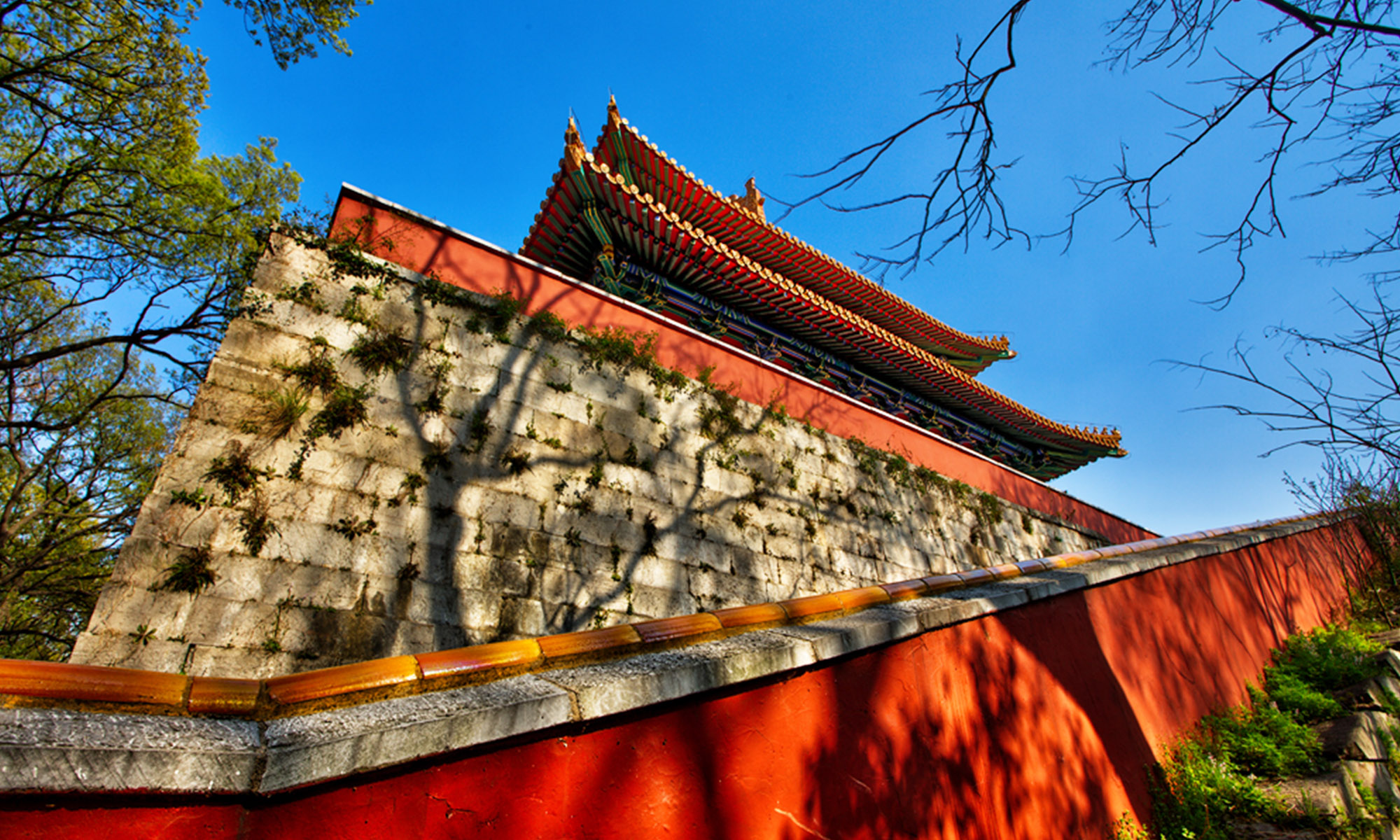
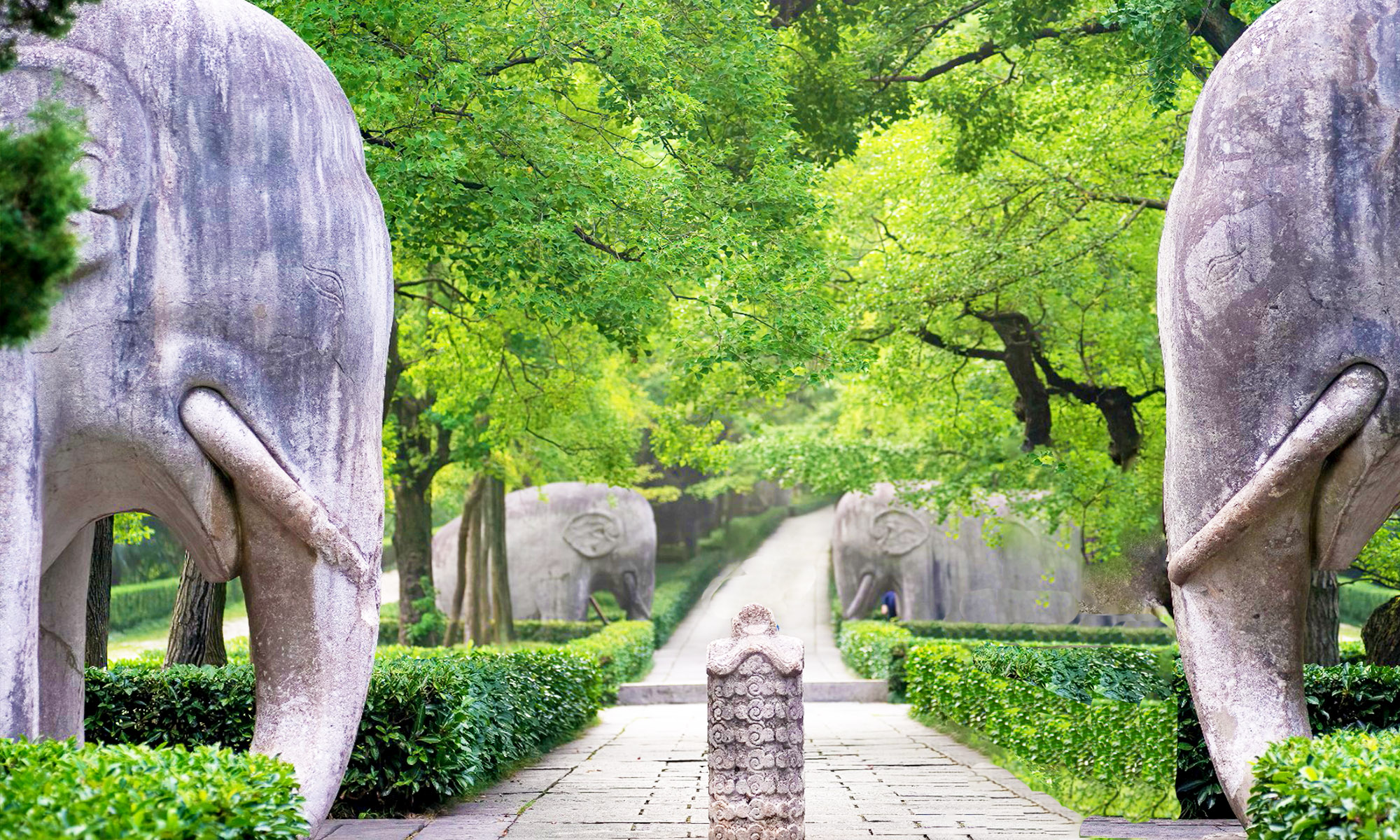
يبدأ ممر ضريح نانجينغ شياولينغ من قوس النزول عن الحصان في ويغانغ حيث توجد لوحتان حجريتان (نُقلا إلى جانب الطريق السريع). مئات الدرجات إلى الشمال الغربي هي البوابة الذهبية الكبرى, حيث يبدأ الجدار الإمبراطوري لمنطقة الضريح ويمتد بطول 22.5 كيلومترات, يصل إلى سور المدينة في الغرب ومعبد لينغو في الشرق. The Big Golden Gate has three archways with single eaves and gable and hip roofs. To the north of the gate is the Monument Pavilion, commonly called the Squared Citadel, in which is a 8.87 meter-high monument, one of the huge ancient monuments of China. It was erected in 1413 by Zhu Di for his father Zhu Yuanzhang in memory of his great achievements. To the north of the pavilion is the Yuqiao Bridge where the tomb passage turns west. The hillock is flat and wide. On either side of the passage stand large stone animals. Then the passage turns north. One can see a pair of ornamental columns followed by four pairs of statues: two pairs of generals and two pairs of civil officials. Then it is Lingxing Gate. The passage turns northeast and extends to the back of the Plum Flower Hill which is just in front of the tomb and where the emperor of the Three Kingdoms Sun Quan was buried. Then the passage comes to the Gold Water Bridge, north of which is the tomb axis. Here is the end of the leading part.
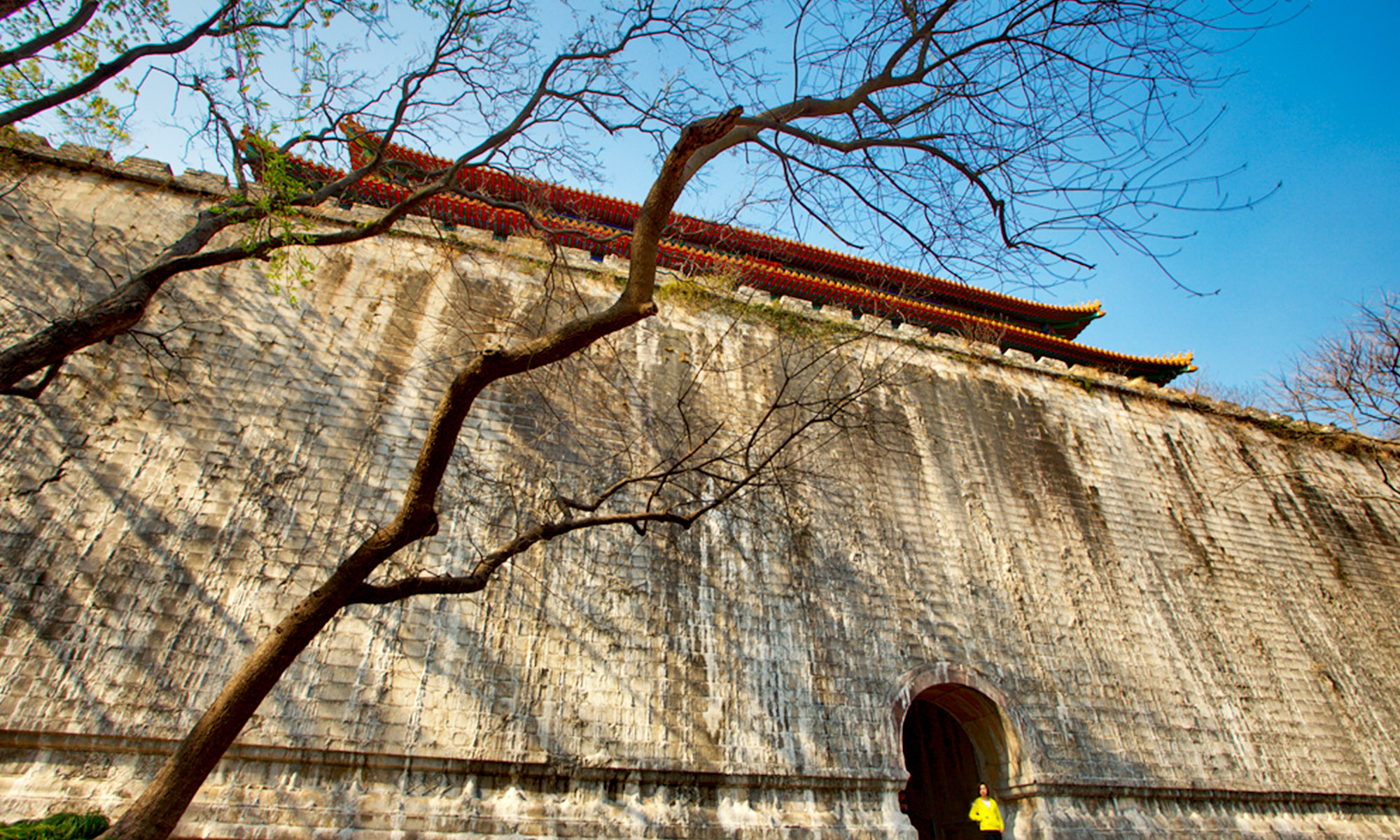
فوق 100 steps across the bridge is a gate and after that is Xiangdian Hall Gate. Xiangdian Hall is also called “Xiaoling Hall” and has 9 bays. On both sides are small houses. Outside the gate are the Pavilion for killing animals as sacrifices, Jufu Hall, إلخ. At the back of Xiaoling Hall there are three varied archways. The body of the tomb is called “the Precious Citadel”, and surrounded by high walls of huge rocks in the shape of a rough circle. Before Nanjing Xiaoling Mausoleum of Ming Dynasty is the memorial shrine on a high square-walled bastion made of rectangular rocks. Underneath the bastion is a tunnel with stone steps leading first to the back of the bastion and then to the shrine. At the mouth the tunnel is a huge stone bridge, called the Immortal-Turning Bridge. The bridge face is wide and flat like a square, which can also be used as a place for a memorial ceremony.
How to get to Ming Xiaoling Mausoleum
• Ming Xiaoling Mausoleum can be reached by bus 20, 315, خط سياحي 2 and Metro Line 2.
• Rent a car/bus from GGC to enjoy a hassle free private transfer from hotels in Nanjing to Ming Xiaoling Mausoleum.
Additional travel advice on Ming Xiaoling Mausoleum
• Please wear comfortable walking as the scenic area is large.
• الدليل الصوتي المجاني متاح على الحساب الرسمي لخدمة WeChat (الهوية: zschina_nj).