+86-29-8964-0200
info@islamichina.com

تقديم متحف شنغهاي
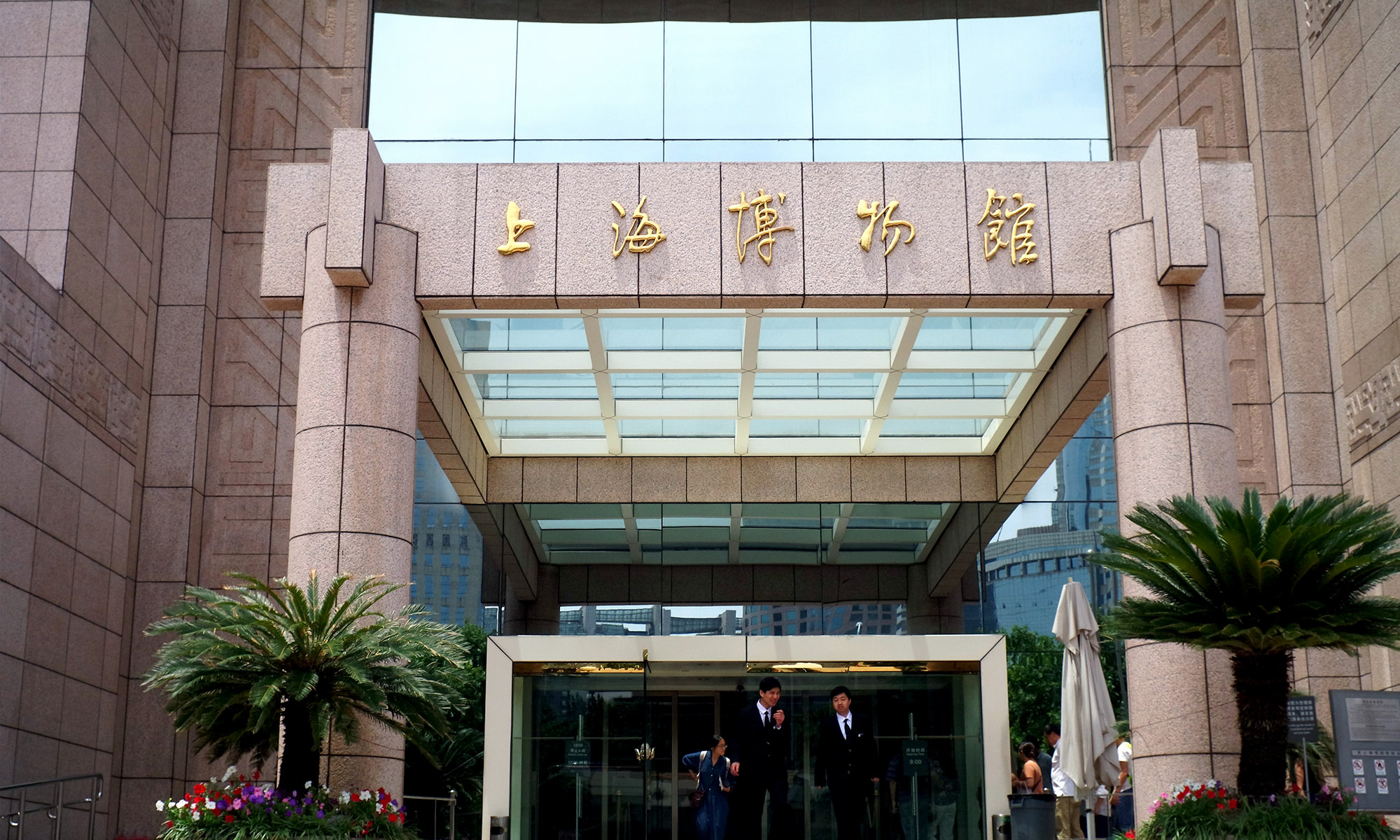
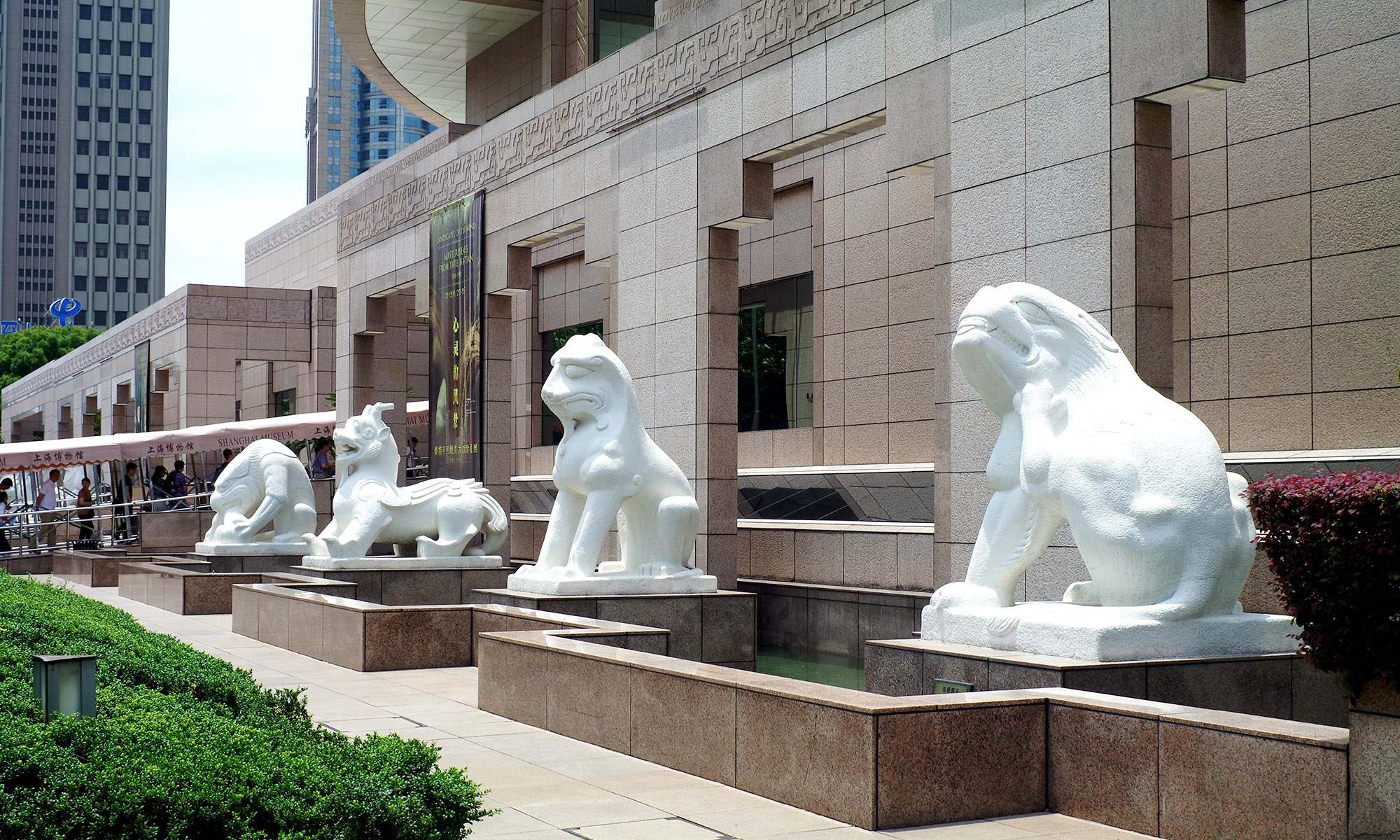
يقع في وسط شنغهاي في ساحة الشعب, متحف شنغهاي هو مزيج معماري مميز يجمع بين الثقافة التقليدية والروح الحديثة, مما يجعله فريدًا بين العديد من المتاحف في العالم. كمتحف كبير للفن الصيني القديم, يفخر متحف شنغهاي بمجموعة غنية وعالية الجودة من 120,000 الأعمال الفنية الثمينة بما في ذلك البرونز الصيني القديم, الخزف, الرسم والخط تتميز بها عالميًا.
حقائق سريعة عن متحف شنغهاي
• الاسم الصيني: Shanghai Bowuguan 上海博物馆
• أفضل وقت للزيارة: طوال العام
• ساعات الزيارة الموصى بها: حوالي 2 إلى 3 ساعات
• الأنشطة التي يمكن ممارستها: التصوير, الهندسة المعمارية, الفن الصيني القديم
• ساعات العمل: من الثلاثاء إلى الأحد, 09:00-17:00
• رسوم الدخول: مجاني
• العنوان: رقم. 201, شارع رينمين, منطقة هوانغبو, شنغهاي
ماذا تتوقع عند زيارة متحف شنغهاي
تاريخ المتحف
تأسس متحف شنغهاي في 1952,كان يقع أصلاً في نادي سباق شنغهاي القديم, 325 شارع نانجينغ الغربي, منذ متى تطورت بشكل مستمر. تم نقل متحف شنغهاي إلى مبنى تشونهوي القديم, 16 طريق جنوب خنان في أكتوبر 1959. في 1992, قررت حكومة بلدية شنغهاي تخصيص ساحة الشعب, المركز الفعلي للمدينة, كموقع جديد لمتحف شنغهاي.
بدأ بناء المبنى الجديد لمتحف شنغهاي في أغسطس 1993 واكتمل وافتتح للجمهور في أكتوبر 12, 1996. يغطي مساحة إجمالية قدرها 39,200 متر مربع, بارتفاع 29.5 متر, القبة السماوية المستديرة والأساس الأرضي المربع الذي يرمز إلى فلسفة السماء المستديرة والأرض المربعة, تُشكل تأثيرًا بصريًا غير عادي. إنه مزيج معماري مميز للثقافة التقليدية والروح الحديثة, مما يجعله فريدًا بين العديد من المتاحف في العالم. The new Shanghai Museum has ten galleries for permanent collections and three temporary exhibition spaces. The Shanghai Museum extends a warm welcome to visitors from all over the world.
Masterpieces in the Museum
Due to the large number of cultural relics on display, and the limited visiting time, visitors must be quite concerned about how to appreciate some of the best works in each gallery during the tour. The following are cultural relics of special significance. They are remarkable for their craftsmanship and appearance.
Ancient Chinese Bronze Gallery (F1)
Yue (weapon) Inlaid with Cross Pattern: Dated from Late Xia (18th – 16القرن - قبل الميلاد) , this broad-axe is thick and solid, inlaid with delicate and beautiful decorations which are very well preserved. Yue is a long-handled arc-bladed hacking weapon, as well as an instrument of torture.
Jia (إناء خمر) بتصميم قناع الحيوان: الجيا هو إناء خمر يُستخدم في الطقوس التضحية. سطح الإناء مزخرف بنمط قناع الحيوان بخطوط كثيفة ومبالغ فيها, يظهر بأسلوب غامض وجليل. هو القطعة الوحيدة المزينة بهذا الشكل بين الجيا البرونزية الموجودة من منتصف عصر شانغ.
يا هو لي مربع (إناء خمر كبير): لي هو إناء خمر كبير شائع في أواخر شانغ وأواسط غرب تشو. شهد فن البرونز ذروته في أواخر شانغ. هذه القطعة تحمل طابعًا مهيبًا وجليلًا, متقن ورائع, يبرز بين جميع أمثاله.
جيا غوئي (إناء طعام): جوي, بوصفه إناء طعام, أصبح تدريجيًا قطعة رئيسية في أواني التضحية البرونزية بعد ظهوره في أوائل شانغ. Bird-like patterns are often used to adorn the rims on the rectangular walls of the vessels of the late Shang and early Zhou. The inscription of the only word Jia found in the inner base is the name of the owner.
Da Ke Ding (إناء طعام): Da Ke Ding was excavated in cellar of Famen Temple, Fufeng County, Shaanxi province in Guangxu reign period. It is the master treasure of the Shanghai Museum collection, also a widely cited and world-famous national treasure. With its majestic and stately shape, smooth and grand decoration, this Ding perfectly integrates the pictorial and sculptural art of that time.
بان (water vessel) of Zi Zhong Jiang: Pan is a water container used to contain the used water after ritual washing at sacrificial ceremonies and banquets during the Shang and Zhou periods. The interior is decorated with many aquatic animals, either in relief or three-dimension. The most extraordinary feature is that all the round-carved animals can be swiveled in 360 degrees. It is an unprecedented wonderful creation.
Bells of Marquis Su of Jin: Unearthed at the tomb of the Marquis of Jin, Beizhao Village, Quwo County, Shanxi province in 1992, this set of musical chimes with a total of 16 pieces, can be divided into two groups, مع 8 pieces for each. Lining up according to size, these pieces can form two rows of chimes with harmonious scales and rhythms. With a total of 355 characters inscriptions carved, this is the first of its kind in the bronze inscription in the Western Zhou.
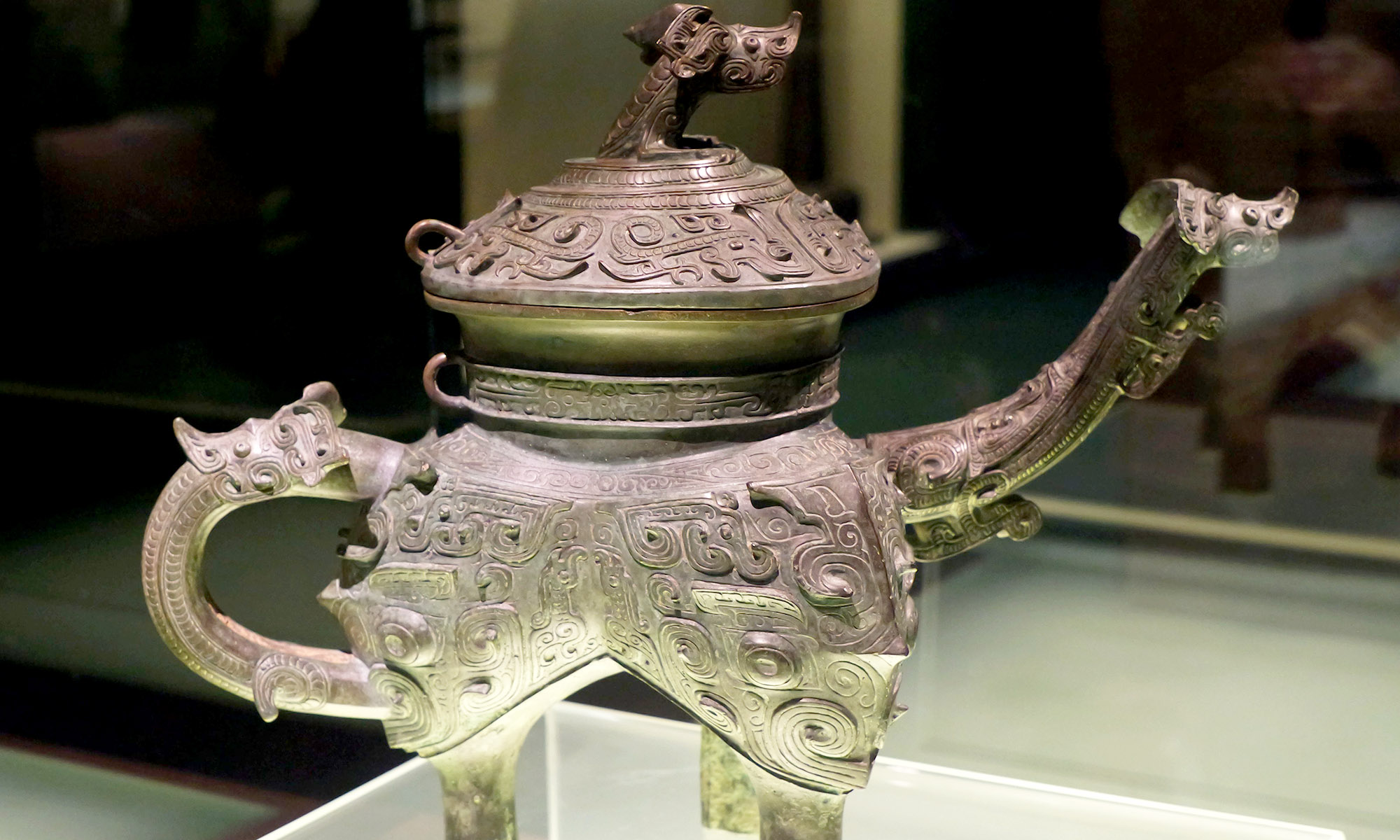
Ox-shaped Zun (إناء خمر): This piece of work is modeled like a water buffalo. Judging from its structure, it is a wine-warming vessel. Hot water can be poured into the hollow belly to heat the wine in the pot-shaped container on the back. Modeling wine vessel Zun in animal shapes is a unique feature of Chinese bronzes.
The vessel looks dignified.
Drum Stand with Openwork Coiled Dragon Design: The drum stand is a hemispheroid with ring-foot. The raised hollow cylinder in the centre is used to insert the drum column. Twelve intertwined circular engraved coiled dragons scramble on the hemispherical drum surface. The dragon head holding a ring in its mouth is carved in the round and the dragon bodies are of high relief. It is a model of the combination of casting and sculptural art.
Cowrie Container with Eight Yaks: Cowrie container is a special bronze ware of the Dian people of Yunnan area. سُمّي بهذا الاسم لأنه احتوى على نقود صدفية عند اكتشافه, مع ثمانية يَك مختلفة الوضعيات على الغطاء. الوعاء على شكل أسطوانة خصرها رفيع مع يَك كبير وسبعة يُكَك صغيرة مصبوبة على الغطاء. اكتُشف في ليجياشان, جيانغتشان, محافظة يونان, هذه الآثار قطعة أيقونية تعكس خصائص ثقافة البرونز في يونان.
صالة النحت الصيني القديم (F1)
تمثال صغير يعزف على العود: هذا التمثال الفخاري من سيتشوان لونه أحمر نتيجة التربة المحلية. تم تشكيل الرأس والجسم بشكل منفصل وربطهما عند الرقبة. المظهر الحيوي والمليء بالحياة للتمثال يعكس بالكامل المزاج والتعبير المسترخي والممتع للعازف الذي غرق في اللحن.
لوح بوذي أقامه وانغ لونغشينغ وآخرون: This Buddhist stele is so named because it is engraved with its pilgrims’ names: Wang Longsheng and others. It is carved in bas-relief. The carving of this stele is lively and vivid, embodied with complex contents, presented mainly through the skillful craft of bas-relief, with the carving on the back and the sides delicate and refined as well.
Shakyamuni Buddha: The statue is carved from a white marble. H Shakyamuni Buddha looks graceful and elegant, with a clear, wise and kind expression, bearing a bright, intelligent and kind look, coupled with the fine and magnificent backlight, which creates a solemn harmonious feeling.
Group of Three Amitabha Buddhas: The common bronze Buddha statue usually appears as a single piece, while this piece of work is presented in the form of an altar table, showing a sense of dimensional space, as if it is unfolding the Buddhist world in front of us. This triple statue of Amitabha shows exquisite workmanship.
Bodhisattva: This kneeling Bodhisattva, made from white marble with meticulous craft, looks quiet and sweet with a full face and downward looking eyes. The long dress hung from the slim waist looks dynamic with vivid carving of the drapes. And the incomplete arms often associate with the grace of a Venus. This is a masterpiece of the Bodhisattva statues of the Tang dynasty.
Head of Kashyapa: Wooden statues of the Tang dynasty are extremely difficult to preserve. There is a hollow frame carved behind the niche of the wooden head of Kashyapa to support the halo on one hand, and unexpectedly prevents the wood from cracking on the other hand, السماح بحفظ هذا العمل حتى اليوم. تقشرت الطلاءات على مر السنين الطويلة وانكشف نقش الخشب, مما يظهر جمال وبساطة فن نقش الخشب.
كيفية الوصول إلى متحف شنغهاي
عن طريق المترو
• خذ خط المترو 1, الخط 2, أو الخط 8 وانزل في محطة ميدان الشعب (المخرج 1).
بالحافلة
• استقل الحافلة رقم. 46, 49, 123, 145, 312, 451 وانزل في محطة ميدان الشعب.
نصائح سفر إضافية حول متحف شنغهاي
• المتحف مغلق يوم الاثنين باستثناء العطلات الرسمية الصينية.
• يصدر المتحف حتى 8,000 تذاكر مجانية يوميًا.
• احتفظ بجواز سفرك معك لاستلام التذكرة.
• التصوير مسموح ولكن استخدام الفلاش أو الحامل الثلاثي ممنوع.
• يحتفظ متحف شنغهاي بحق فرض رسوم على بعض المعارض المؤقتة الخاصة.