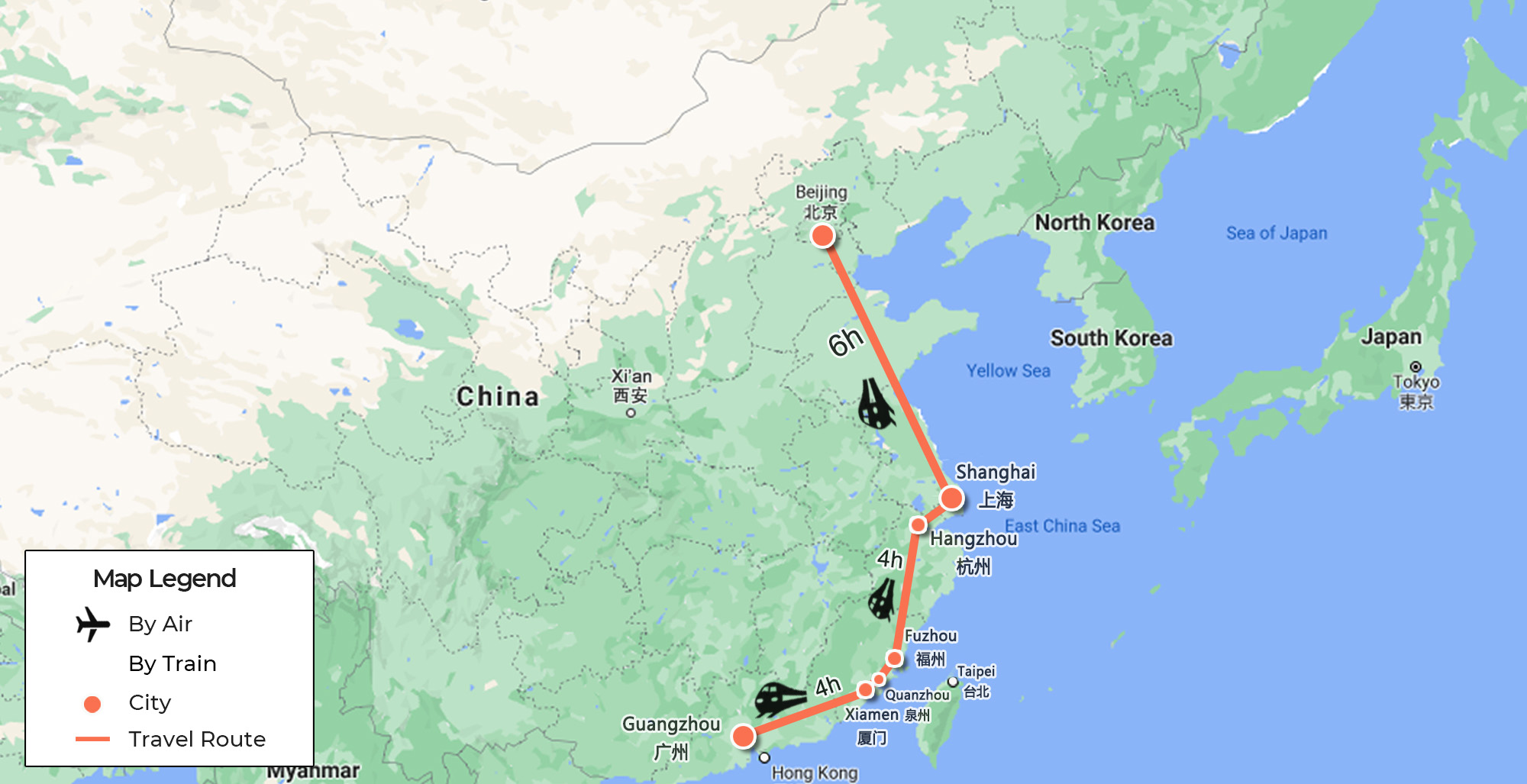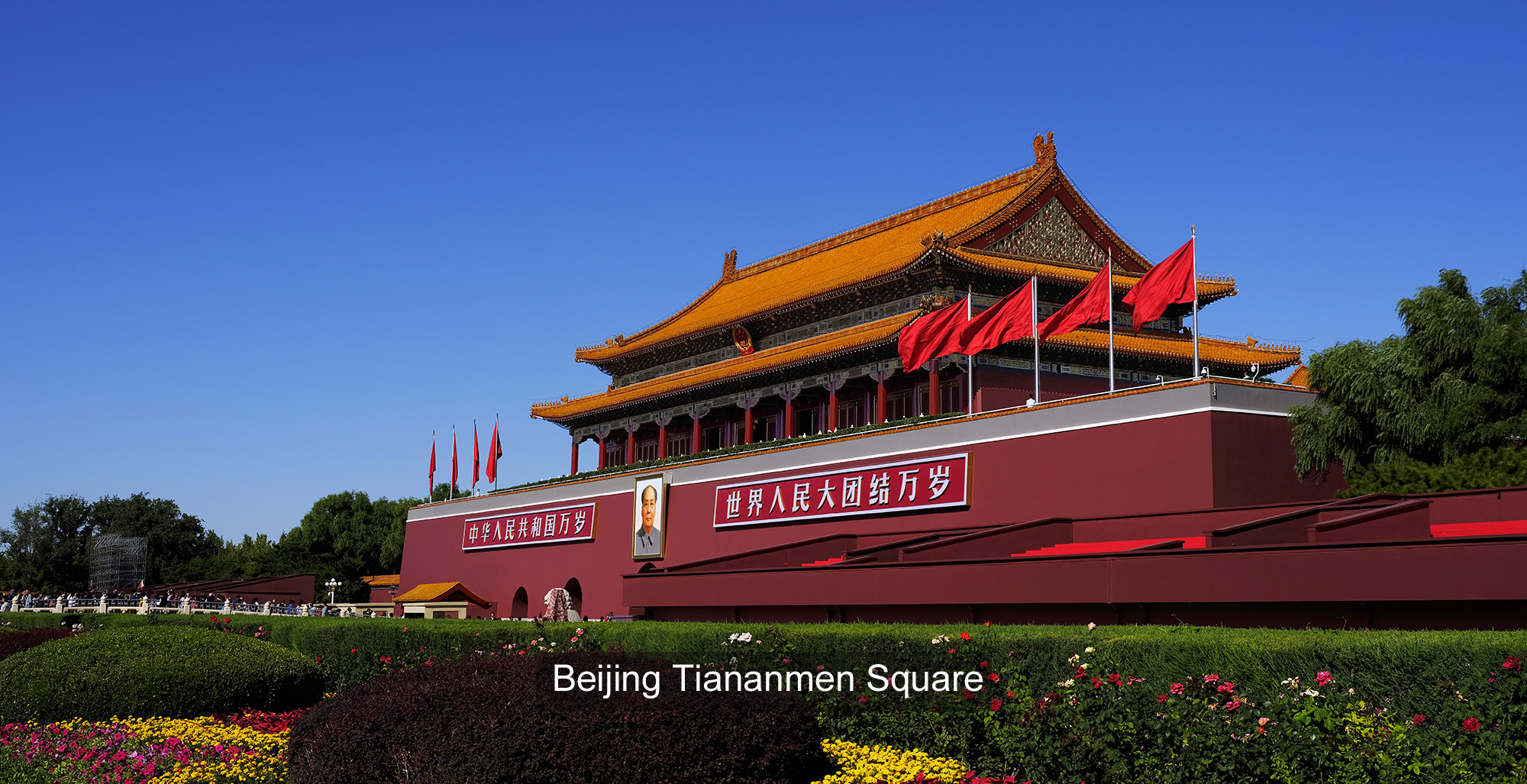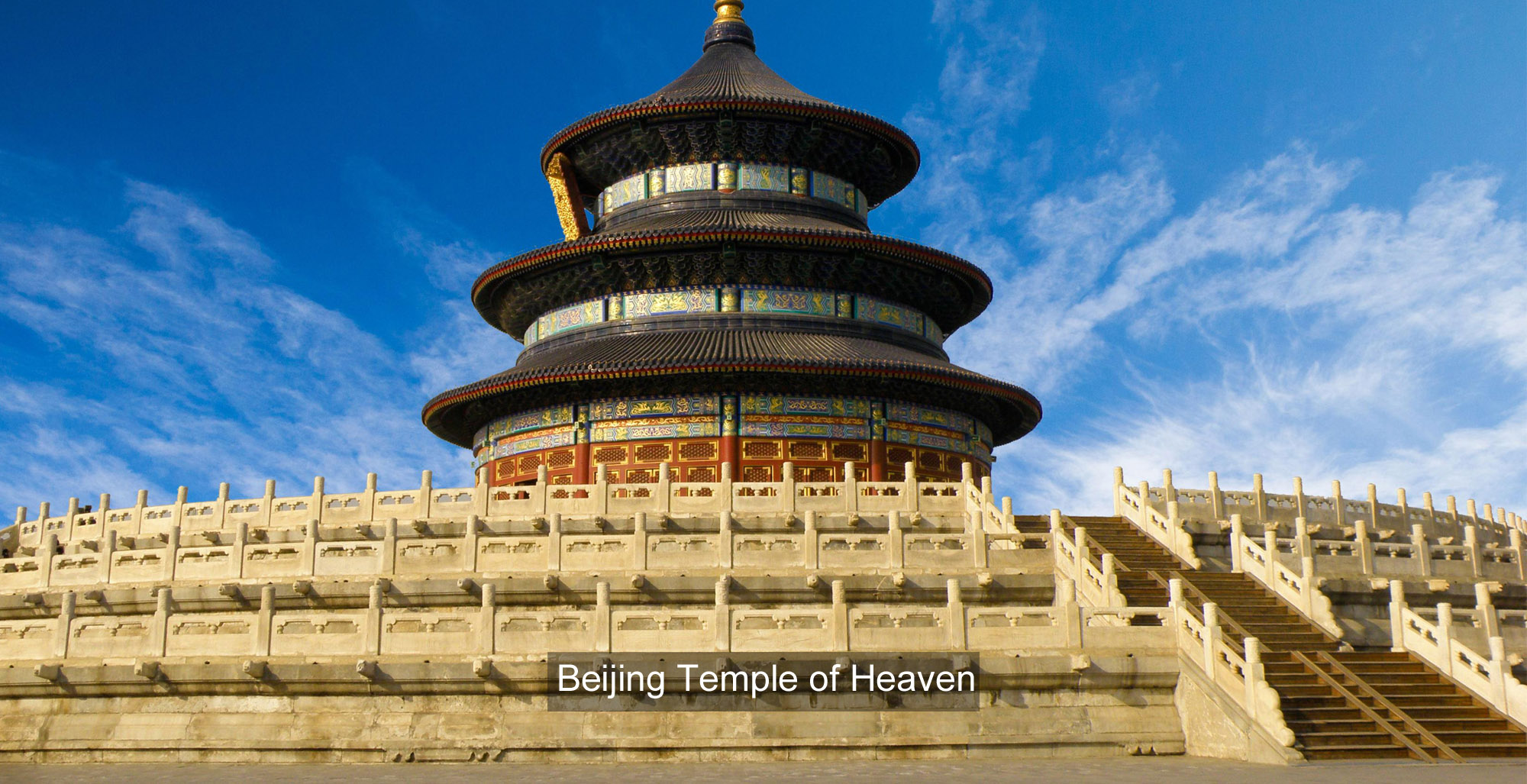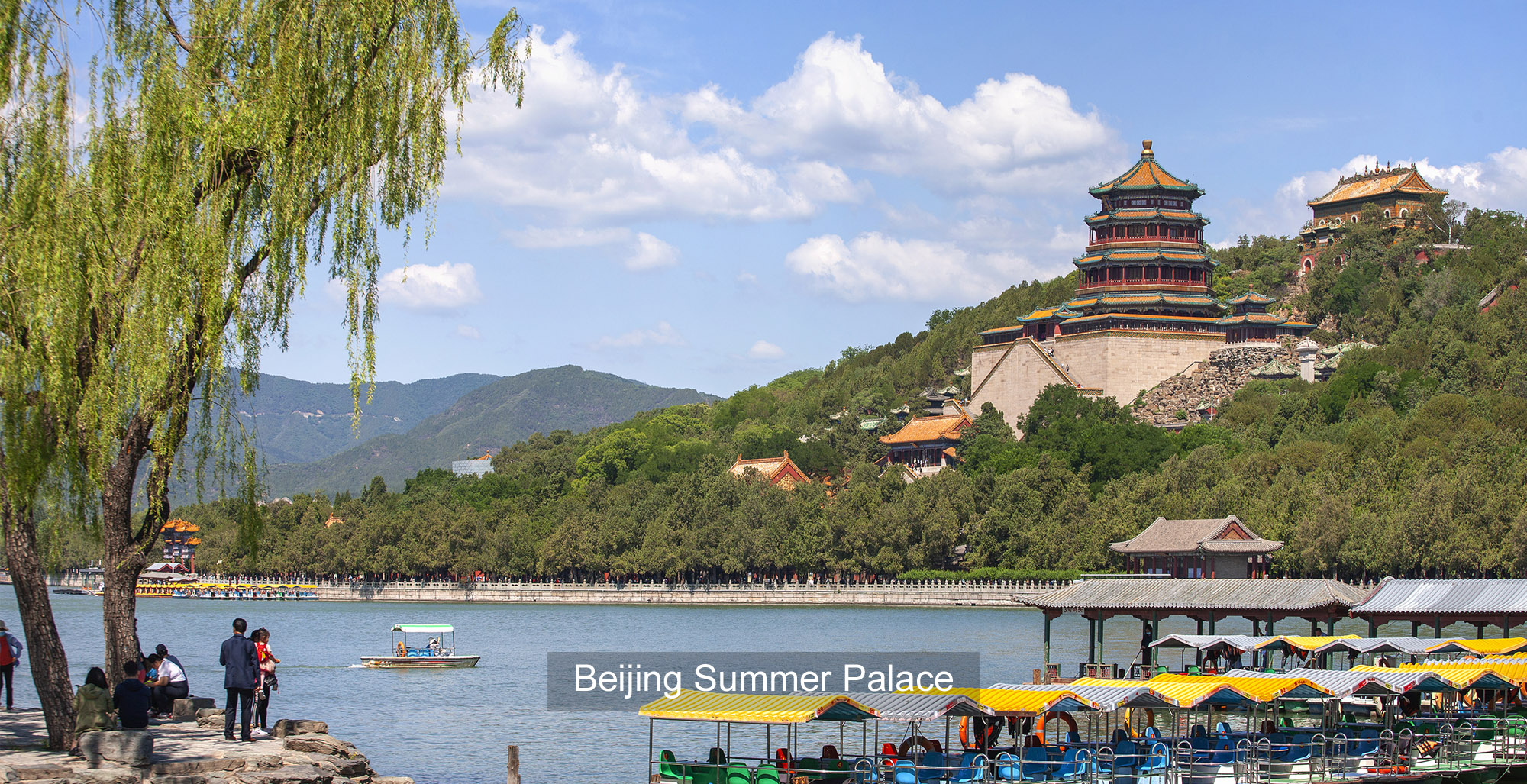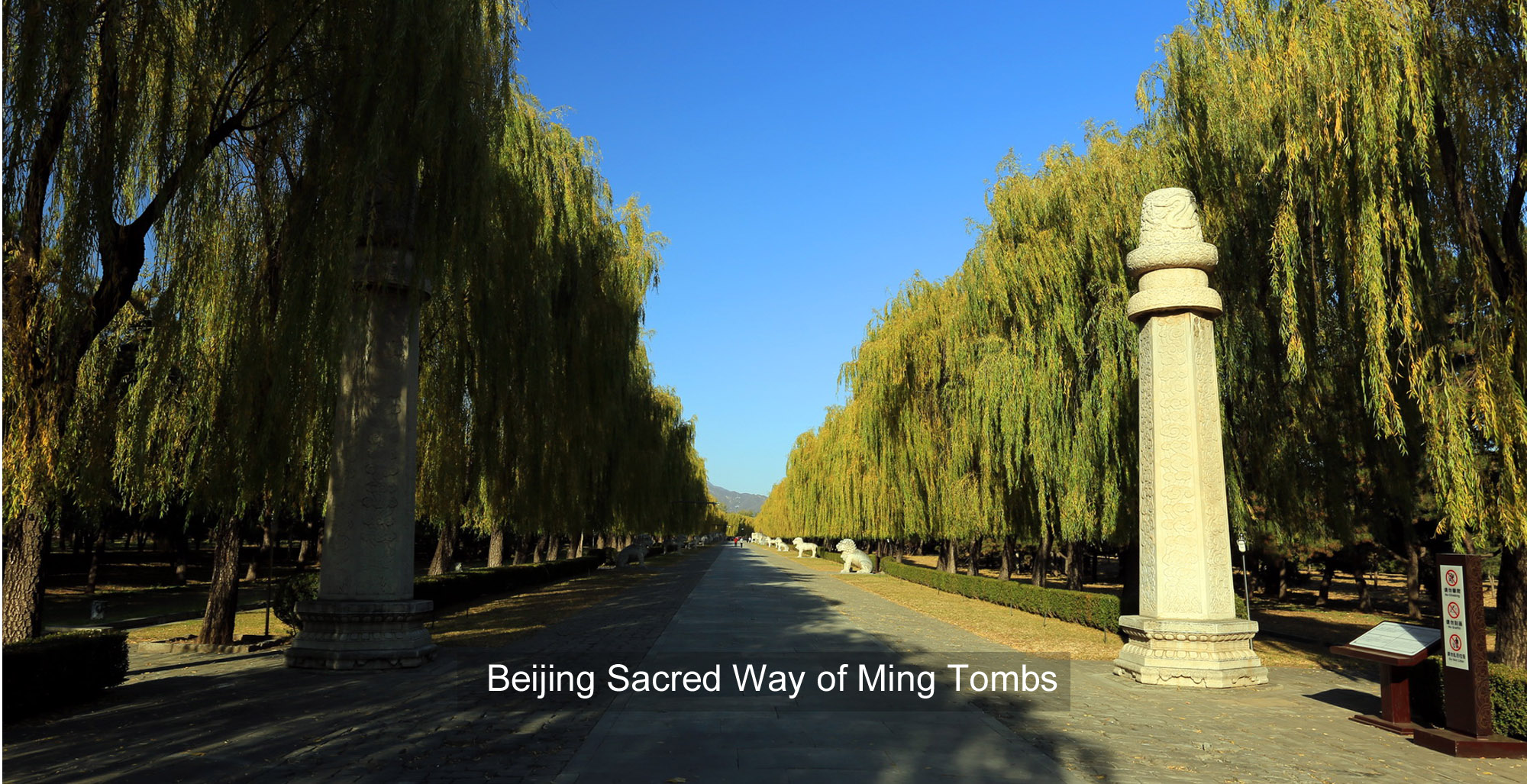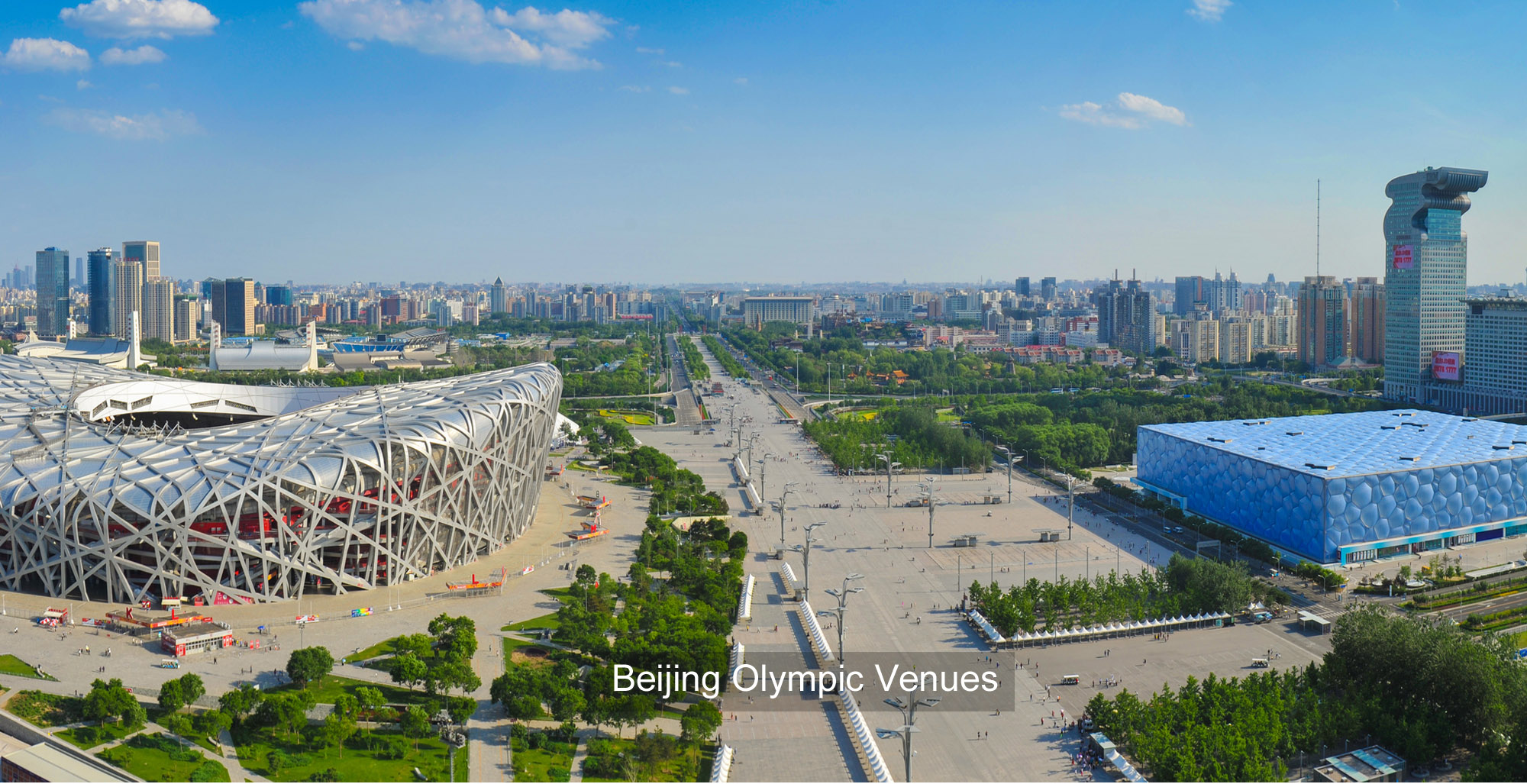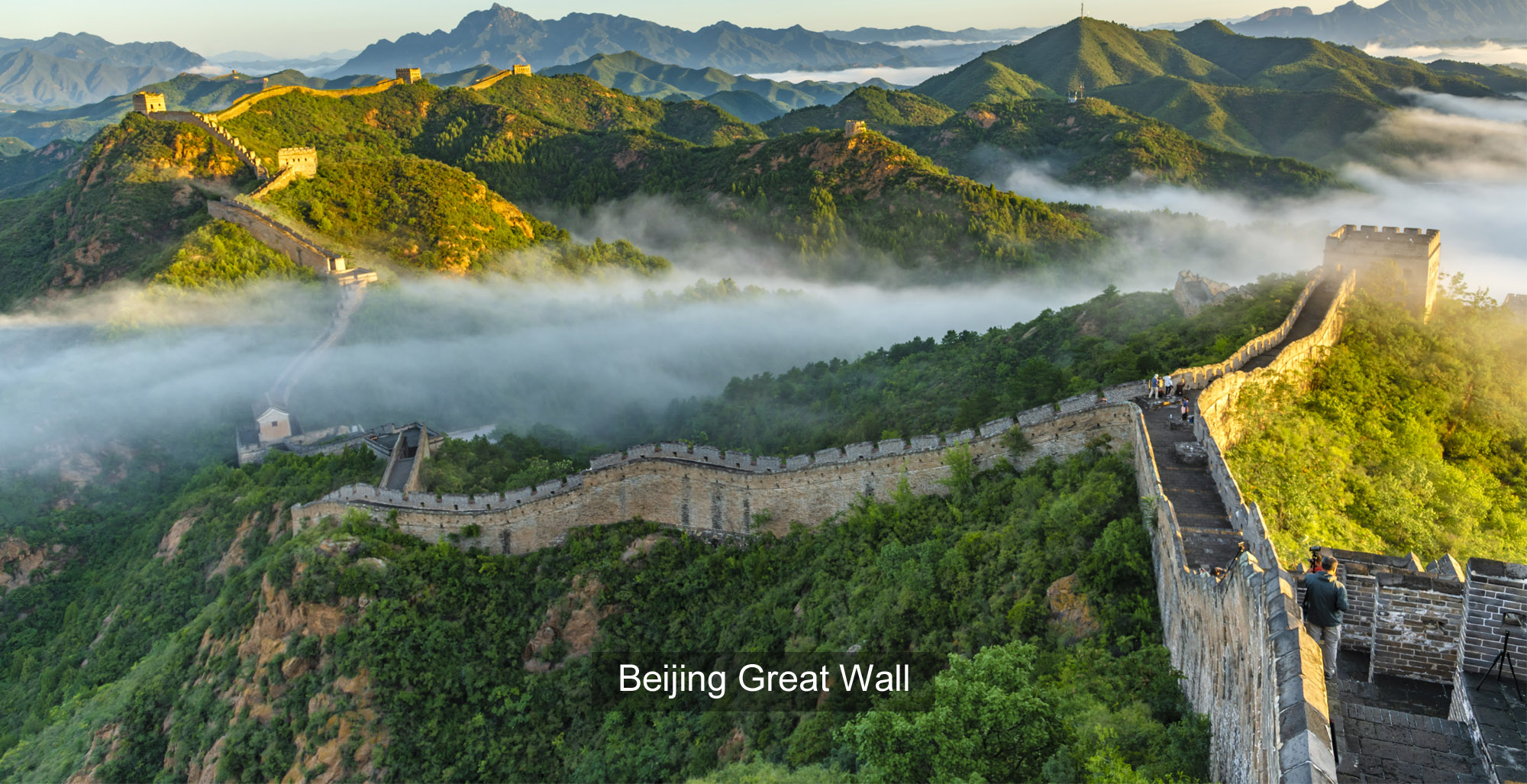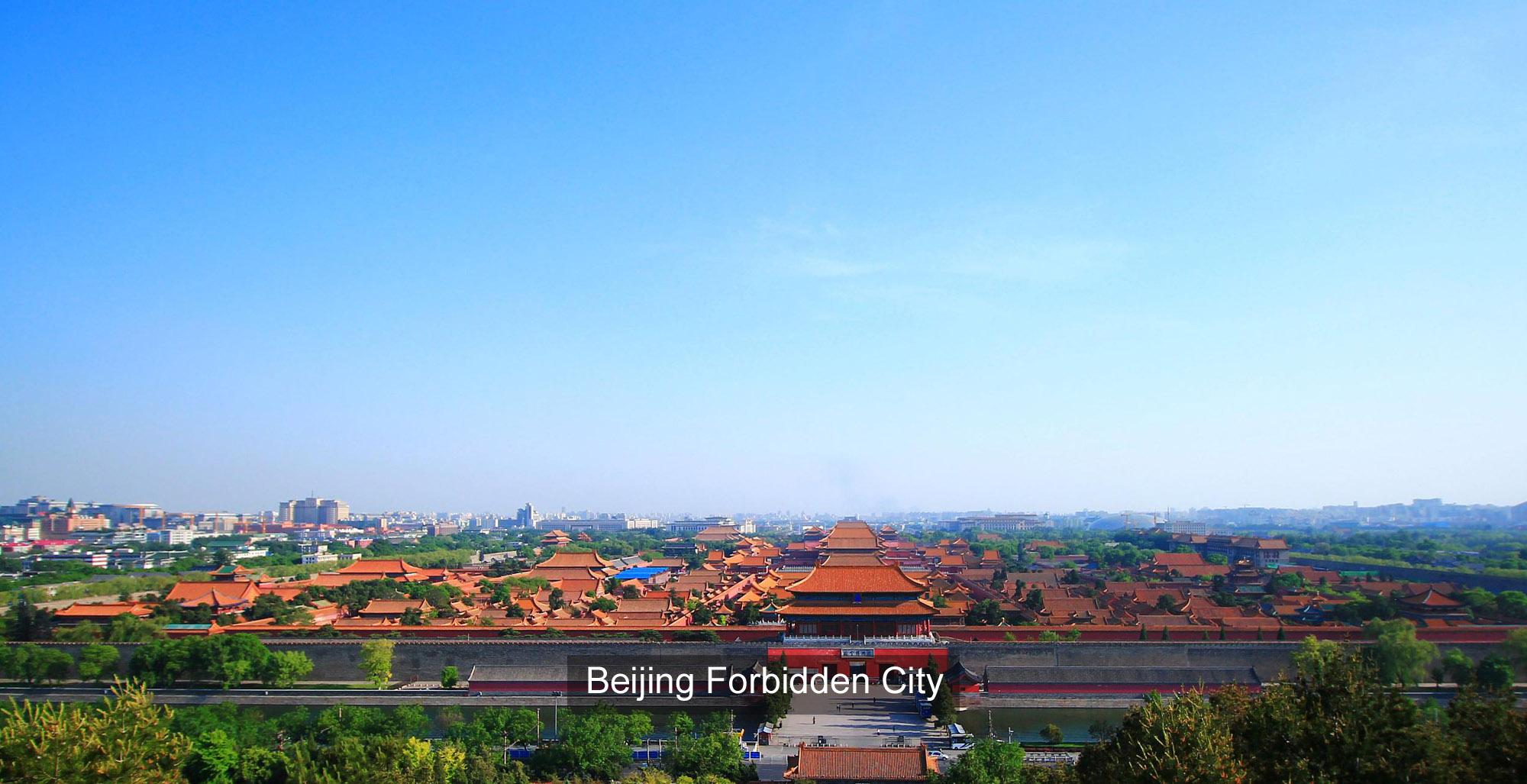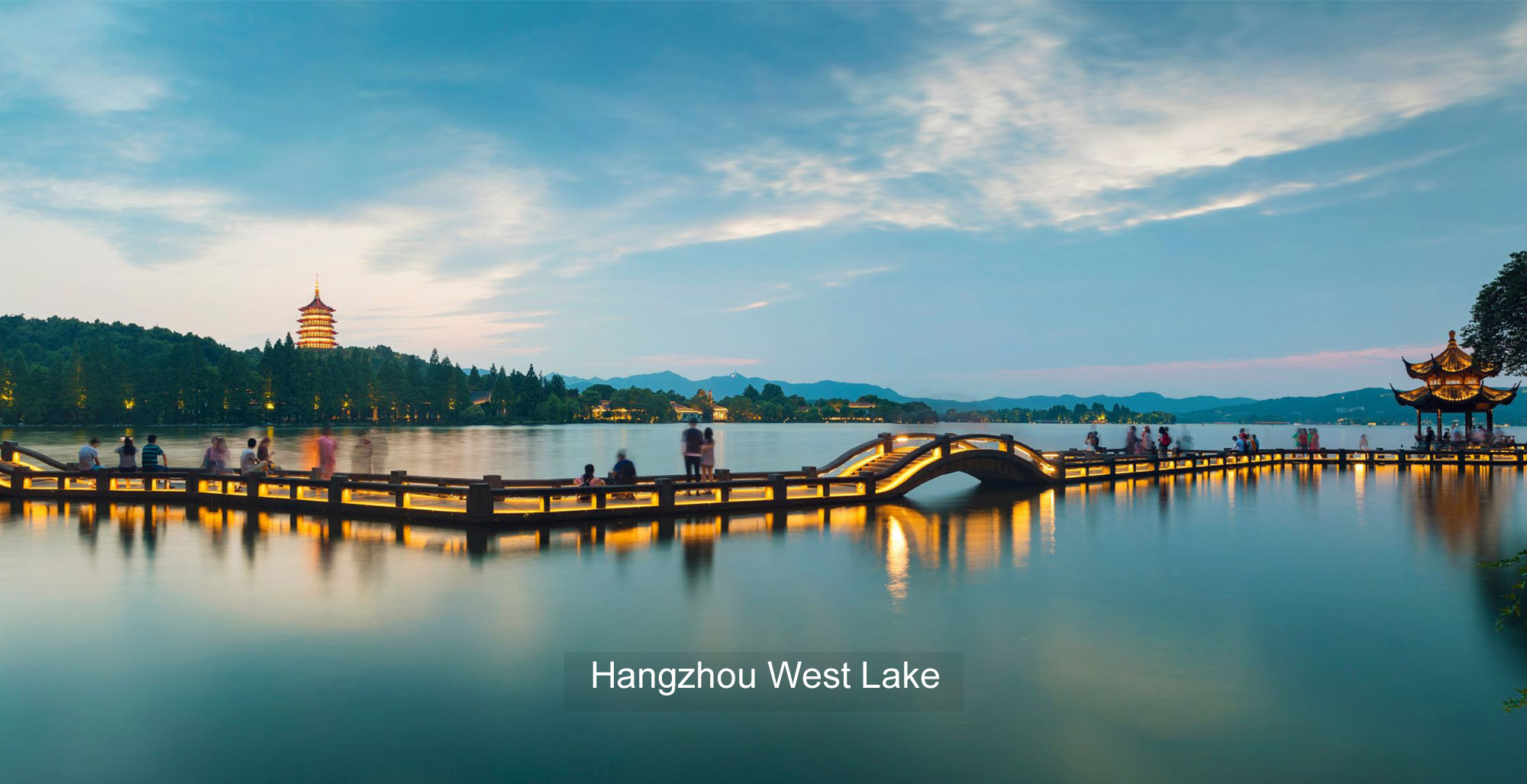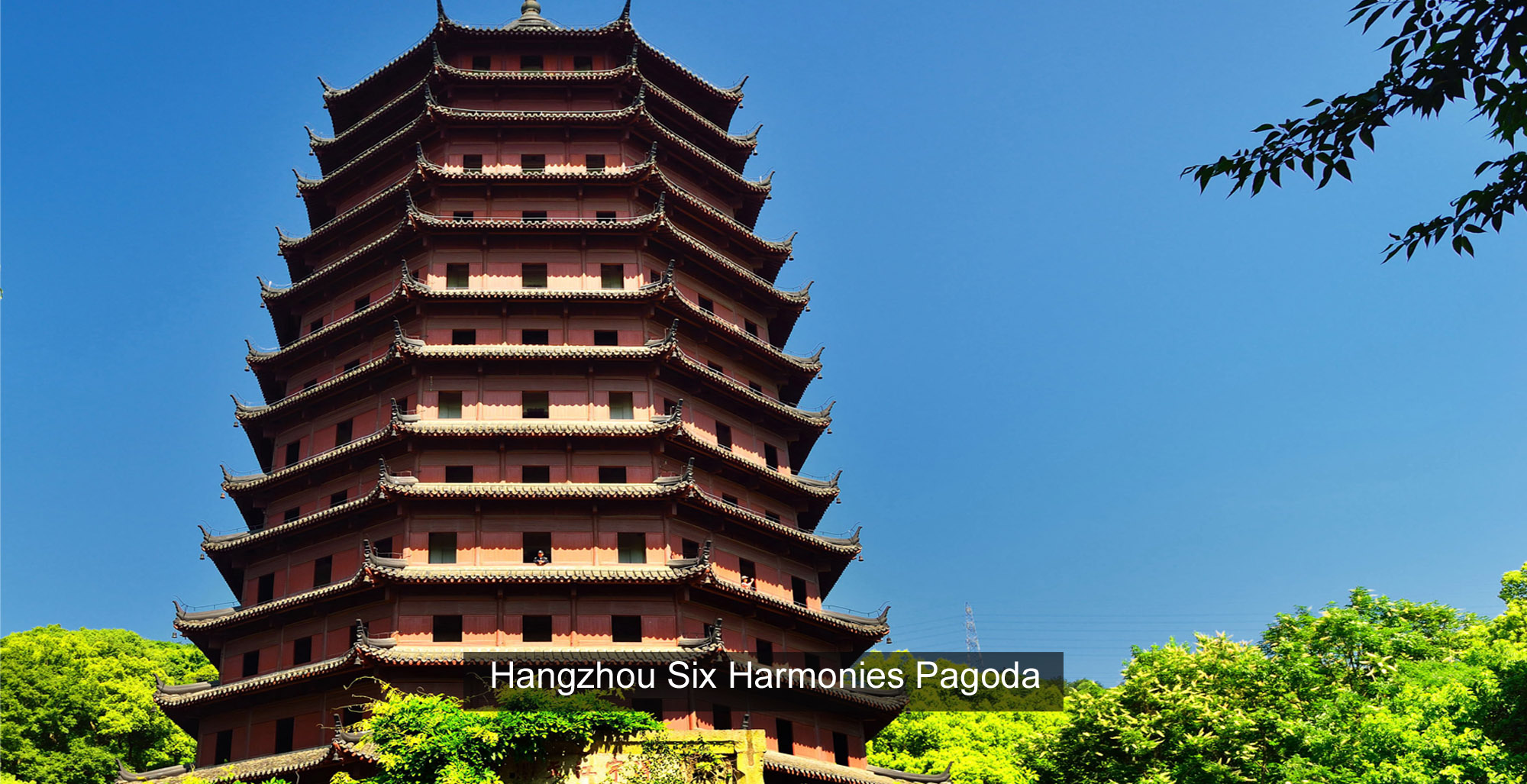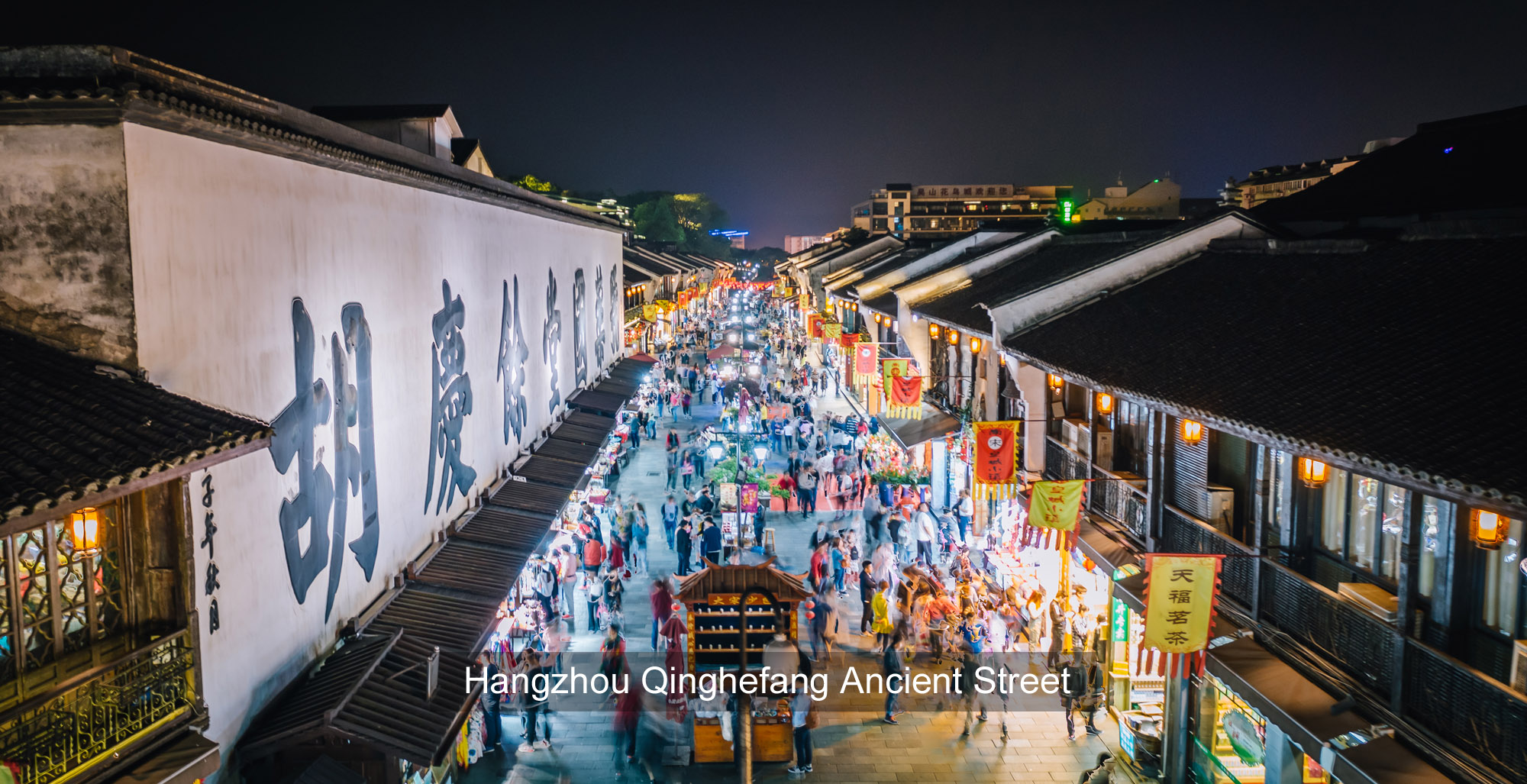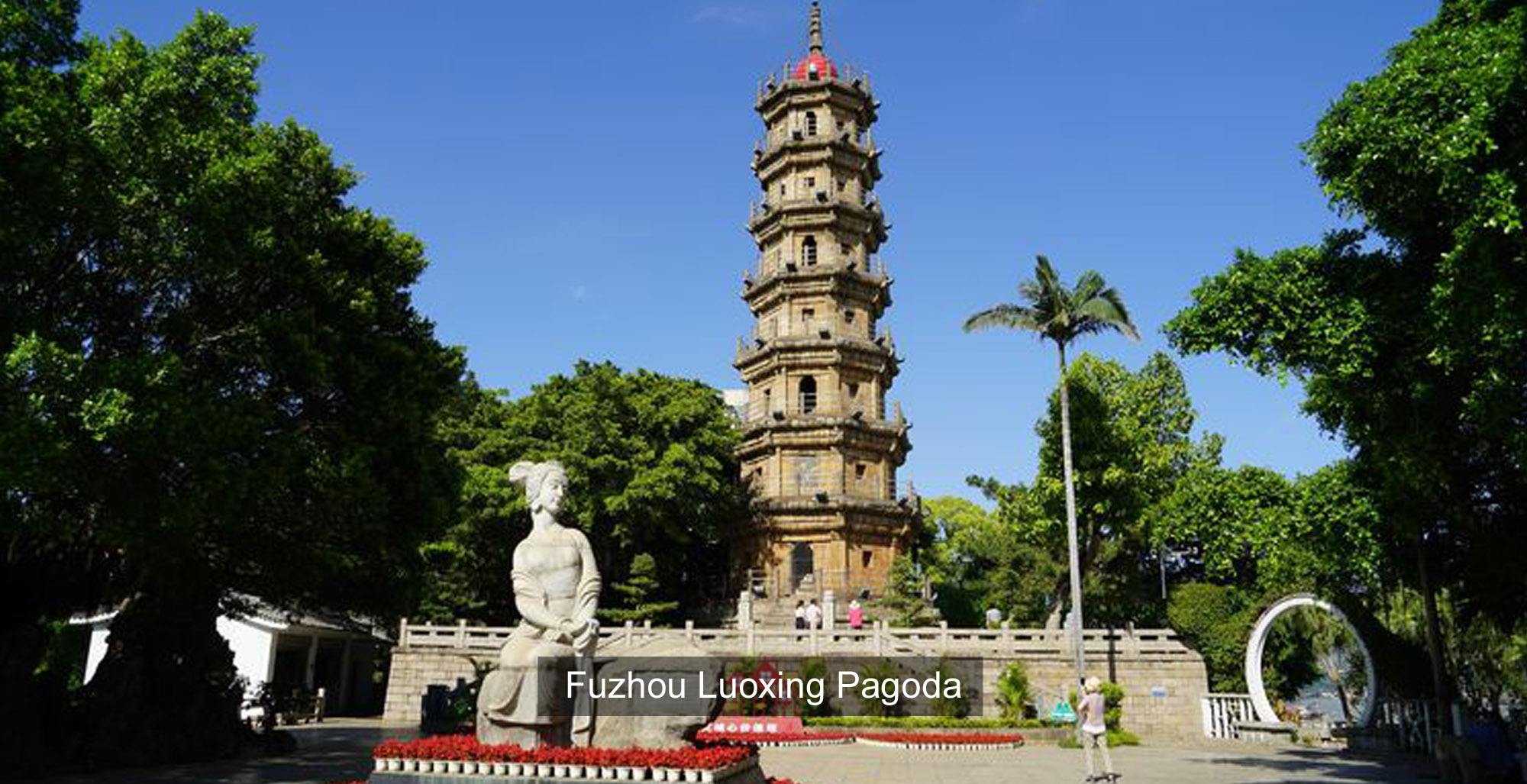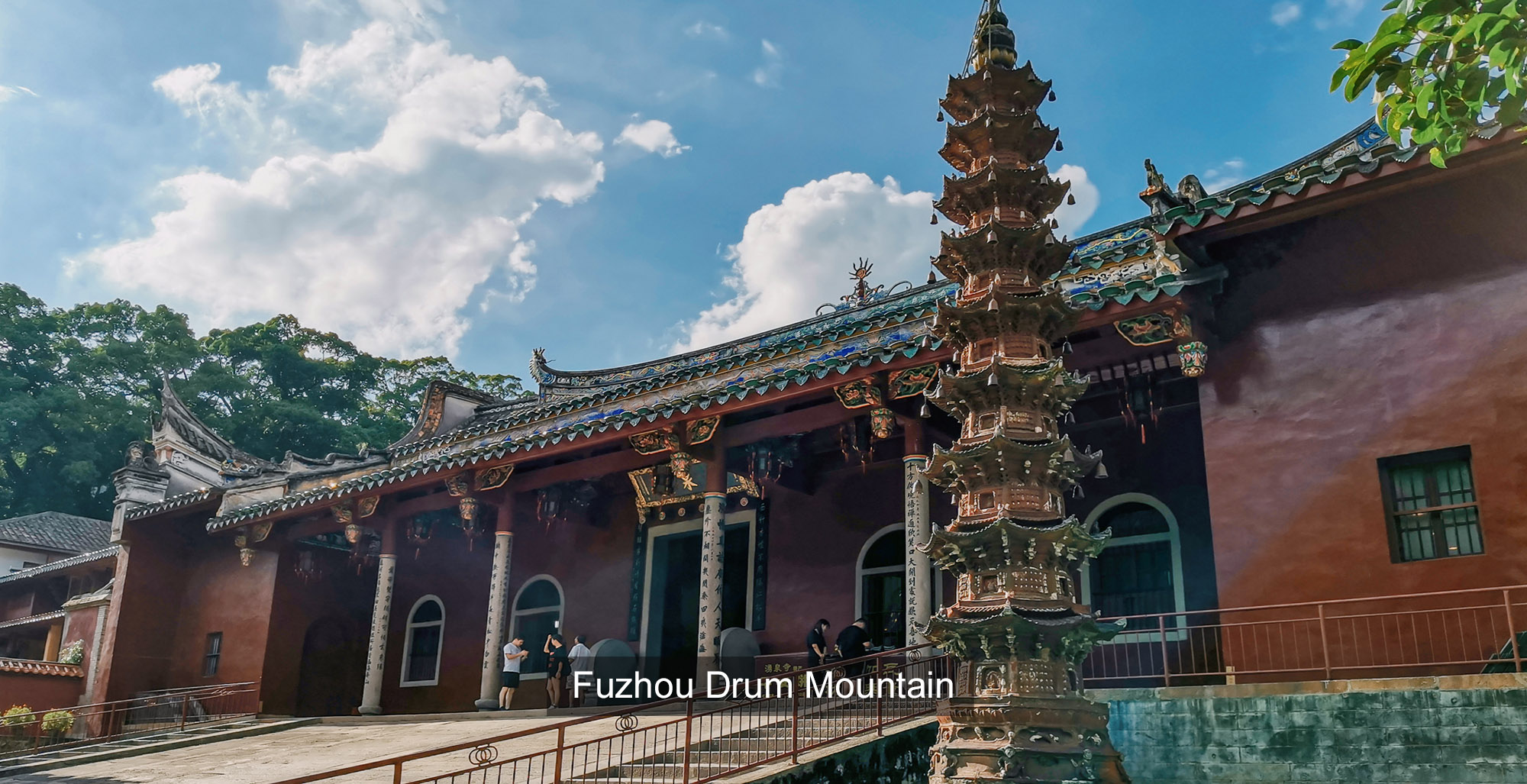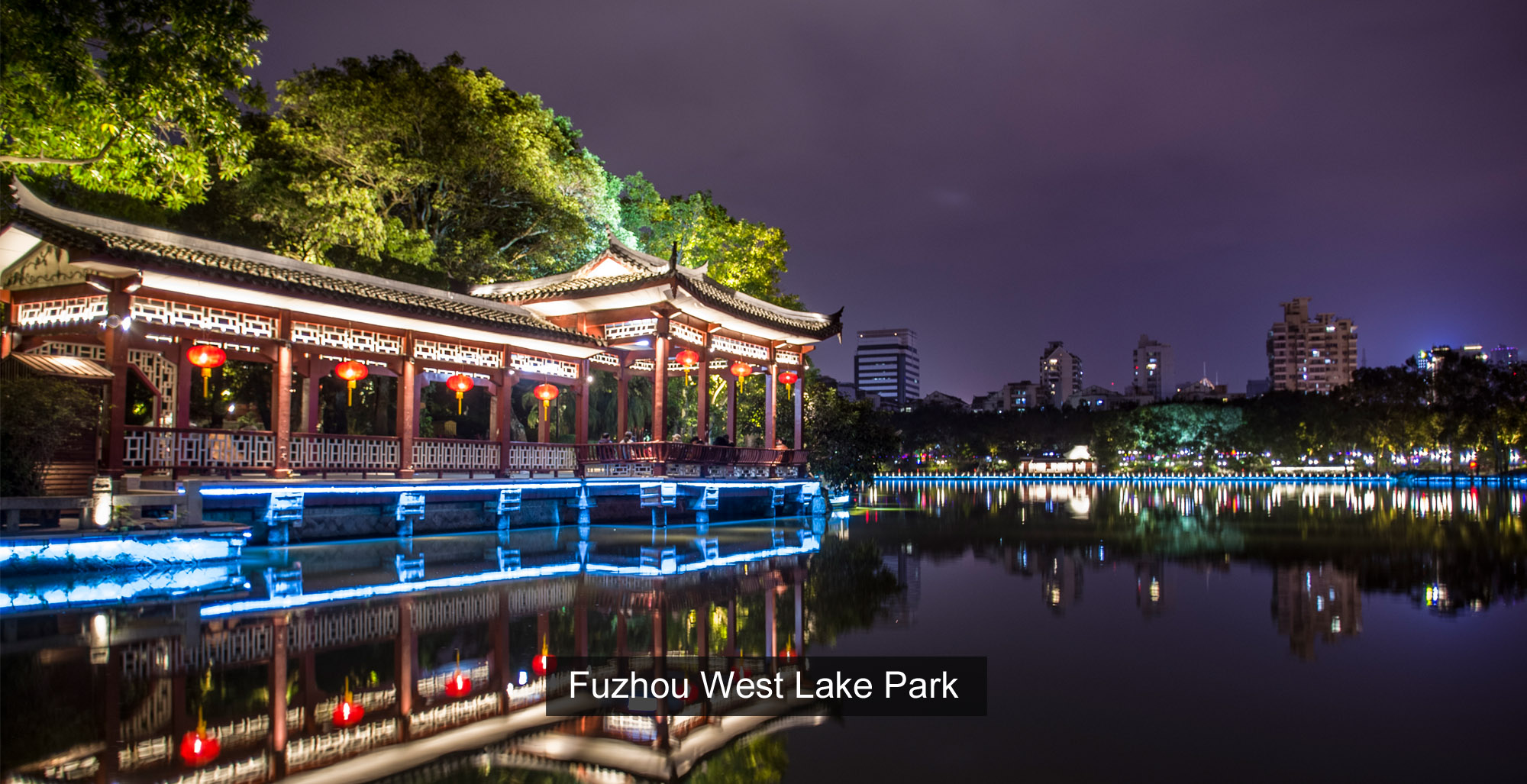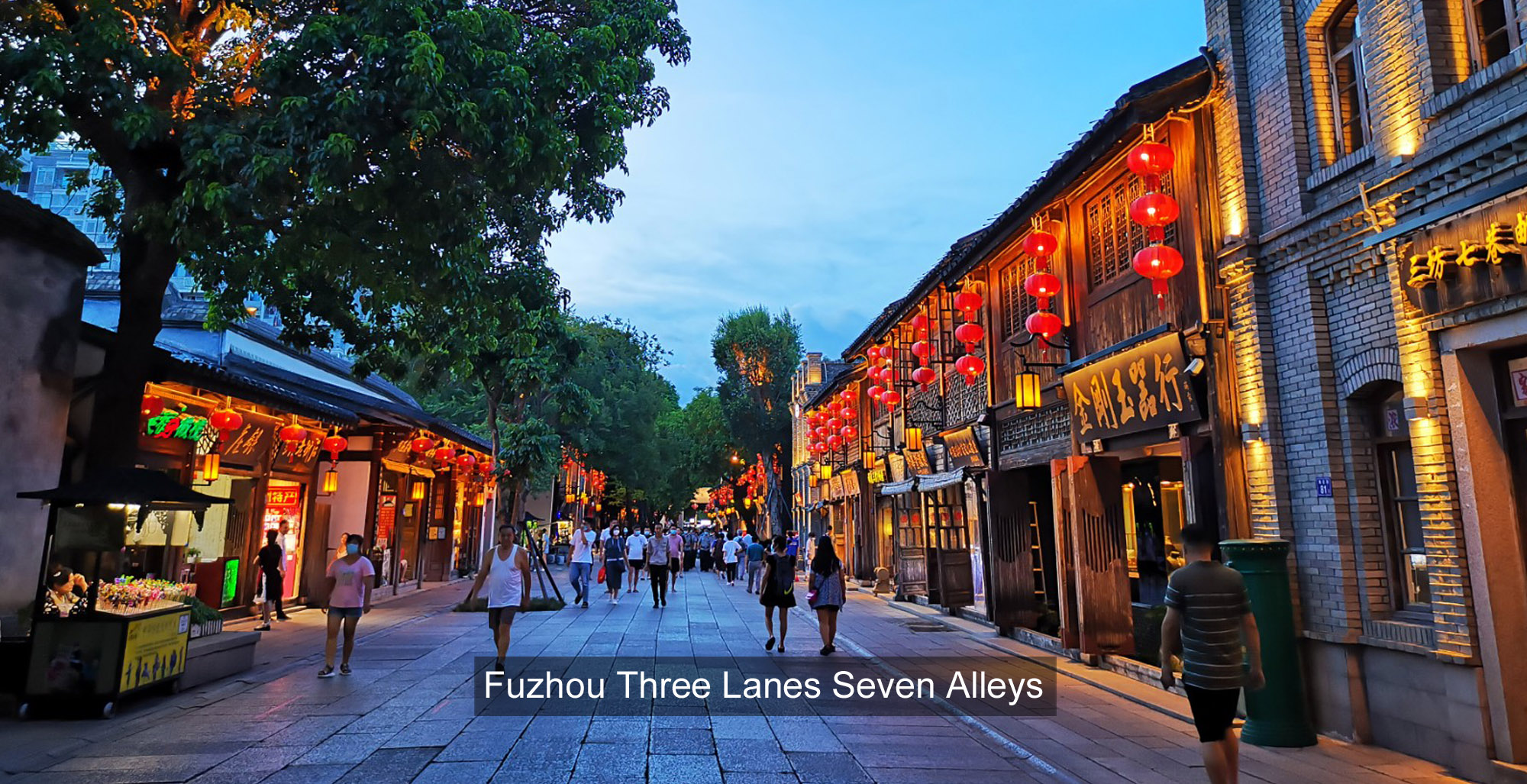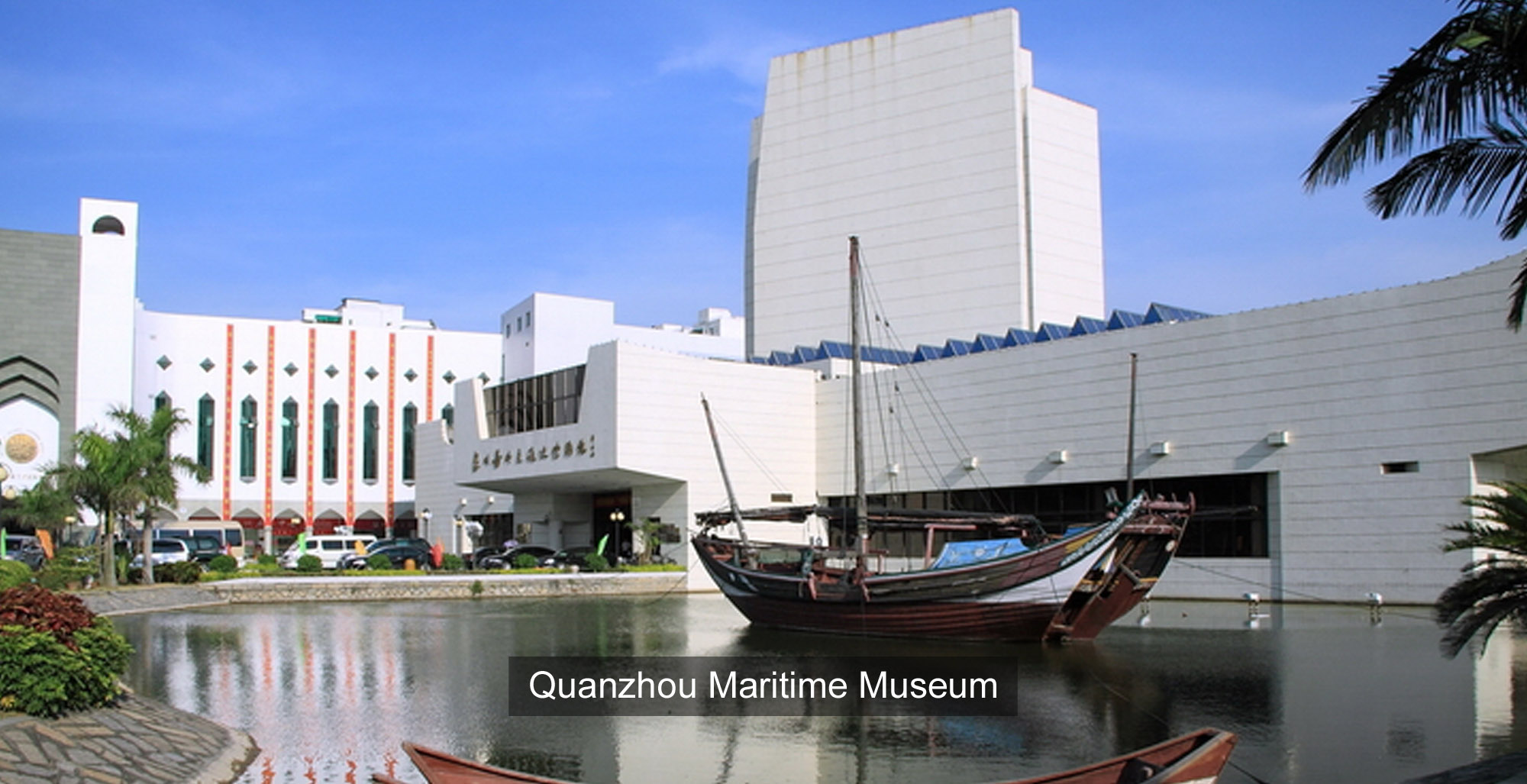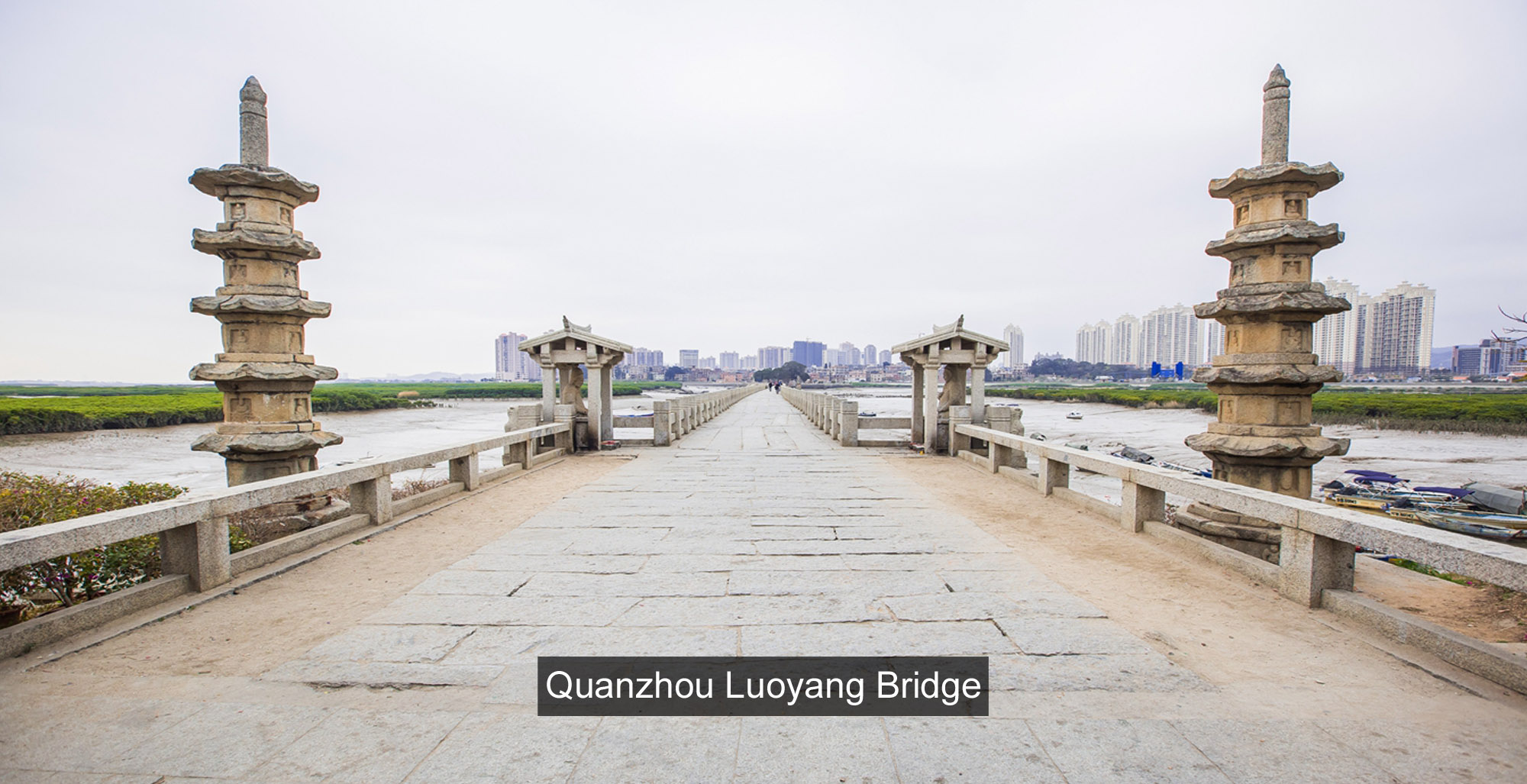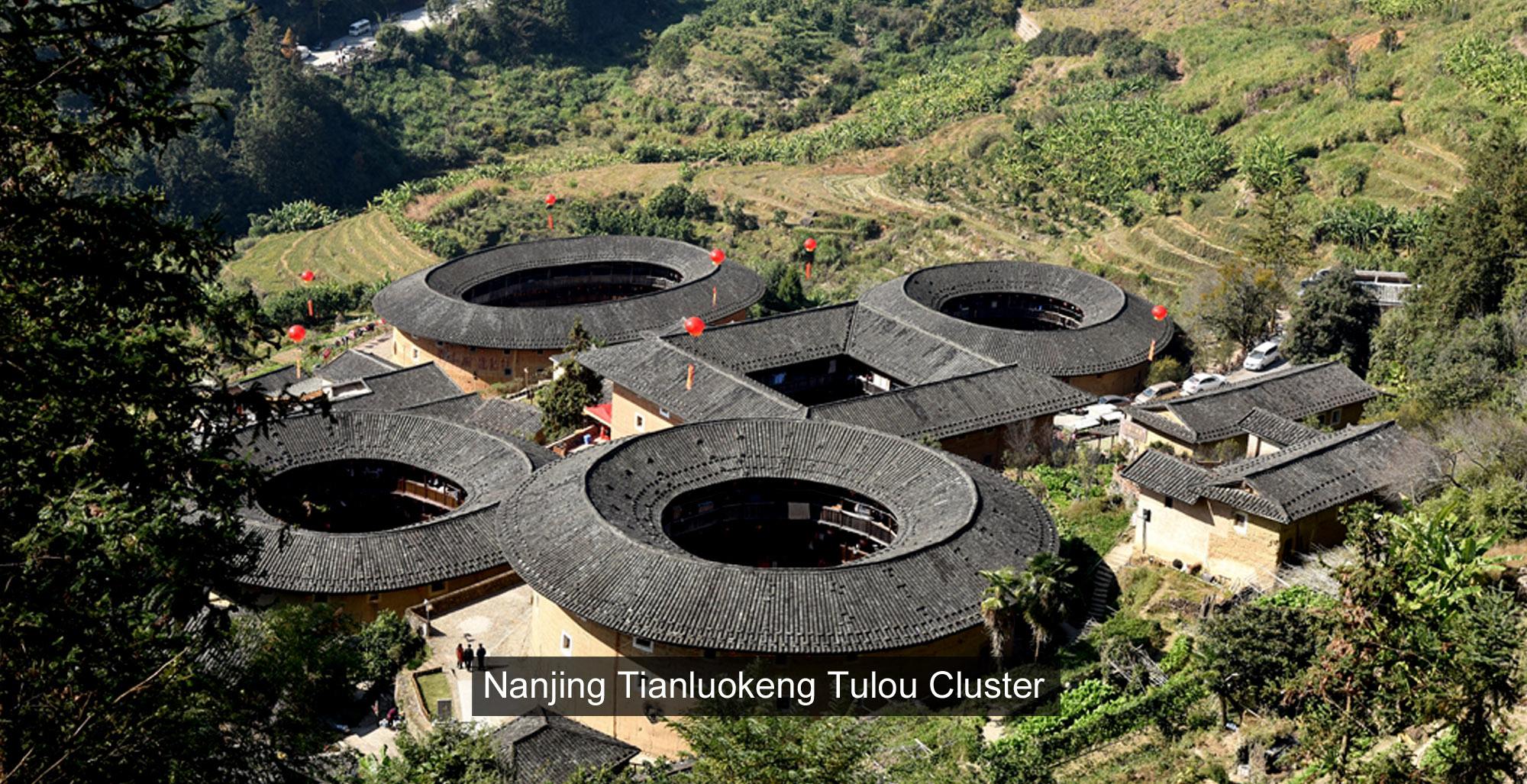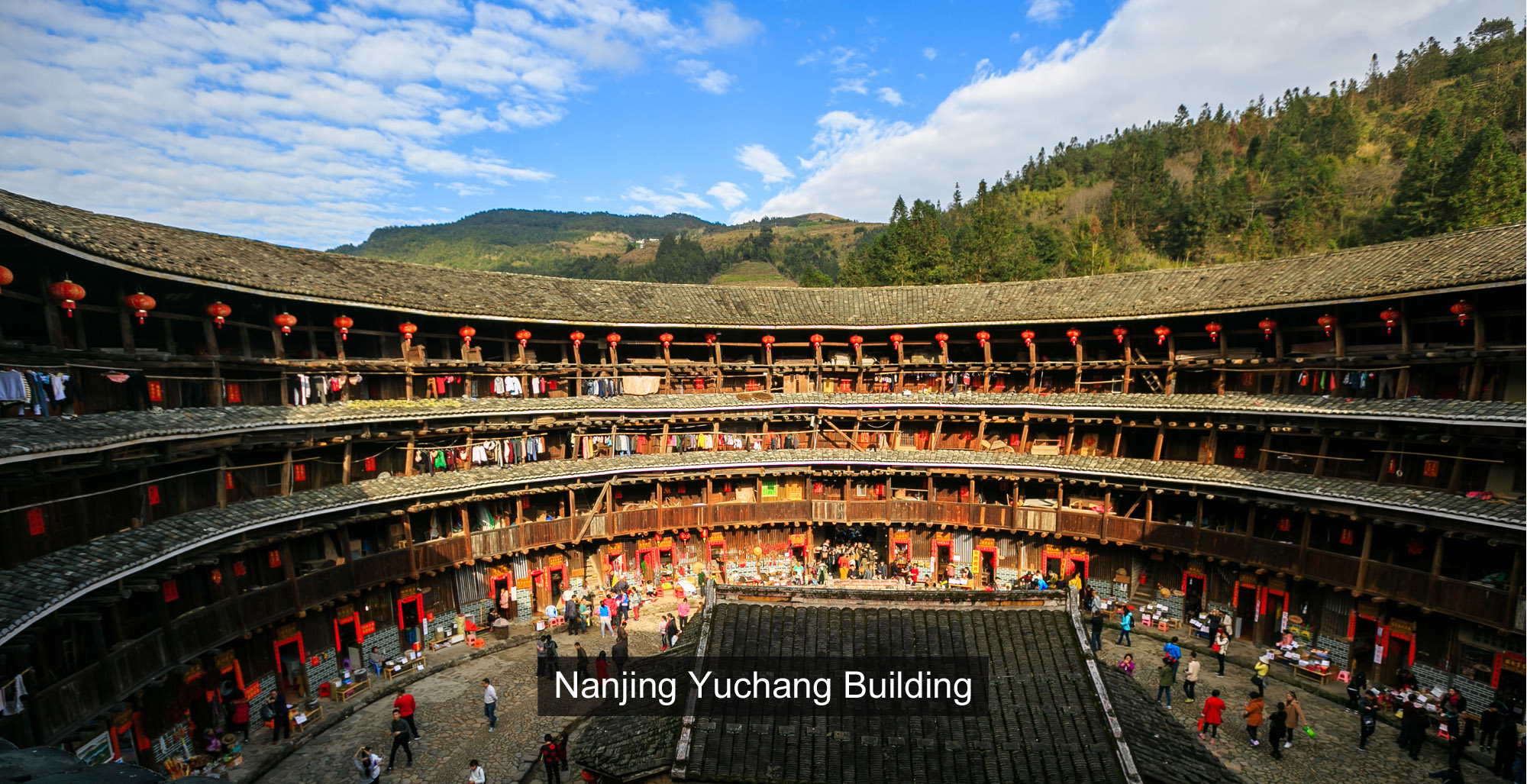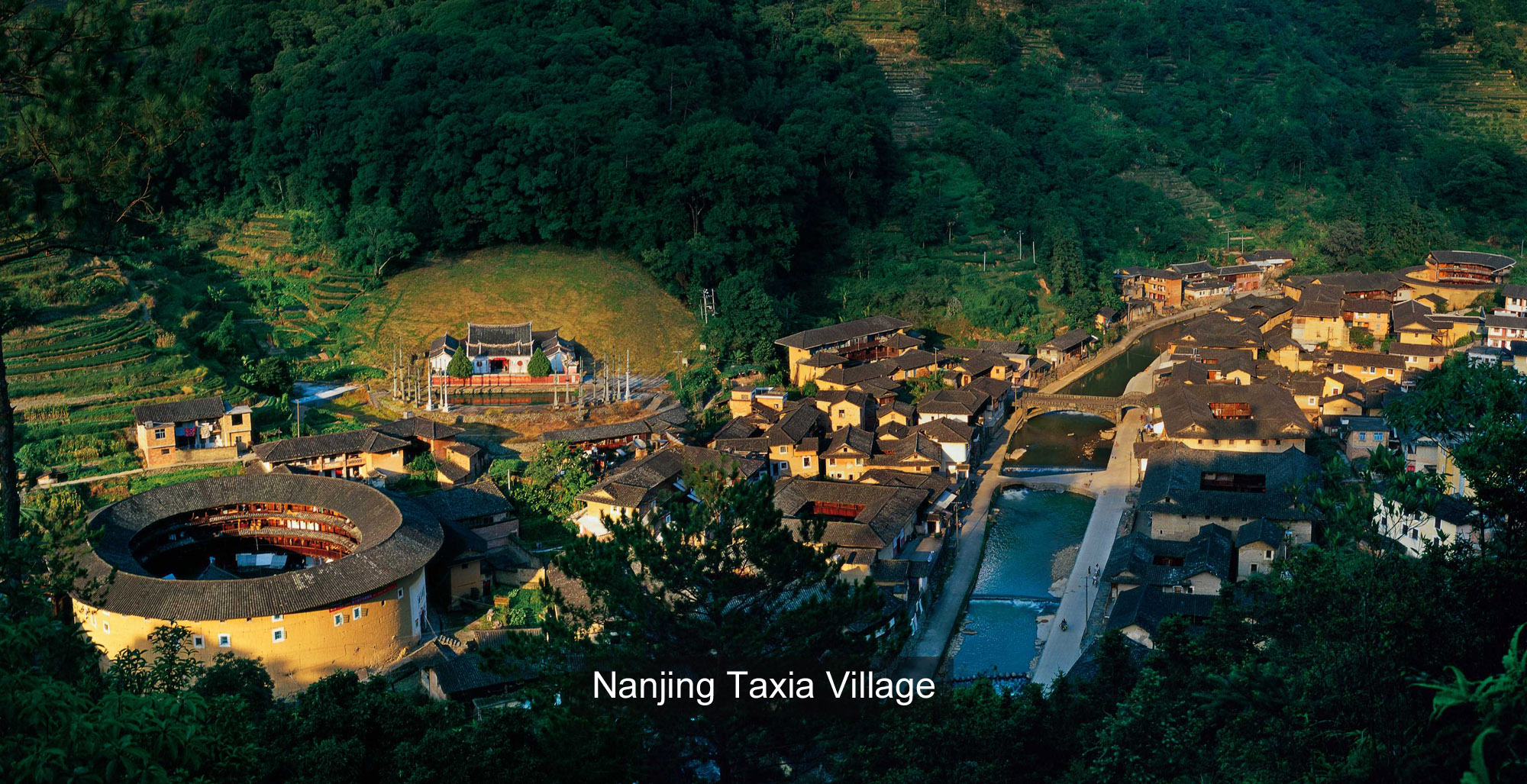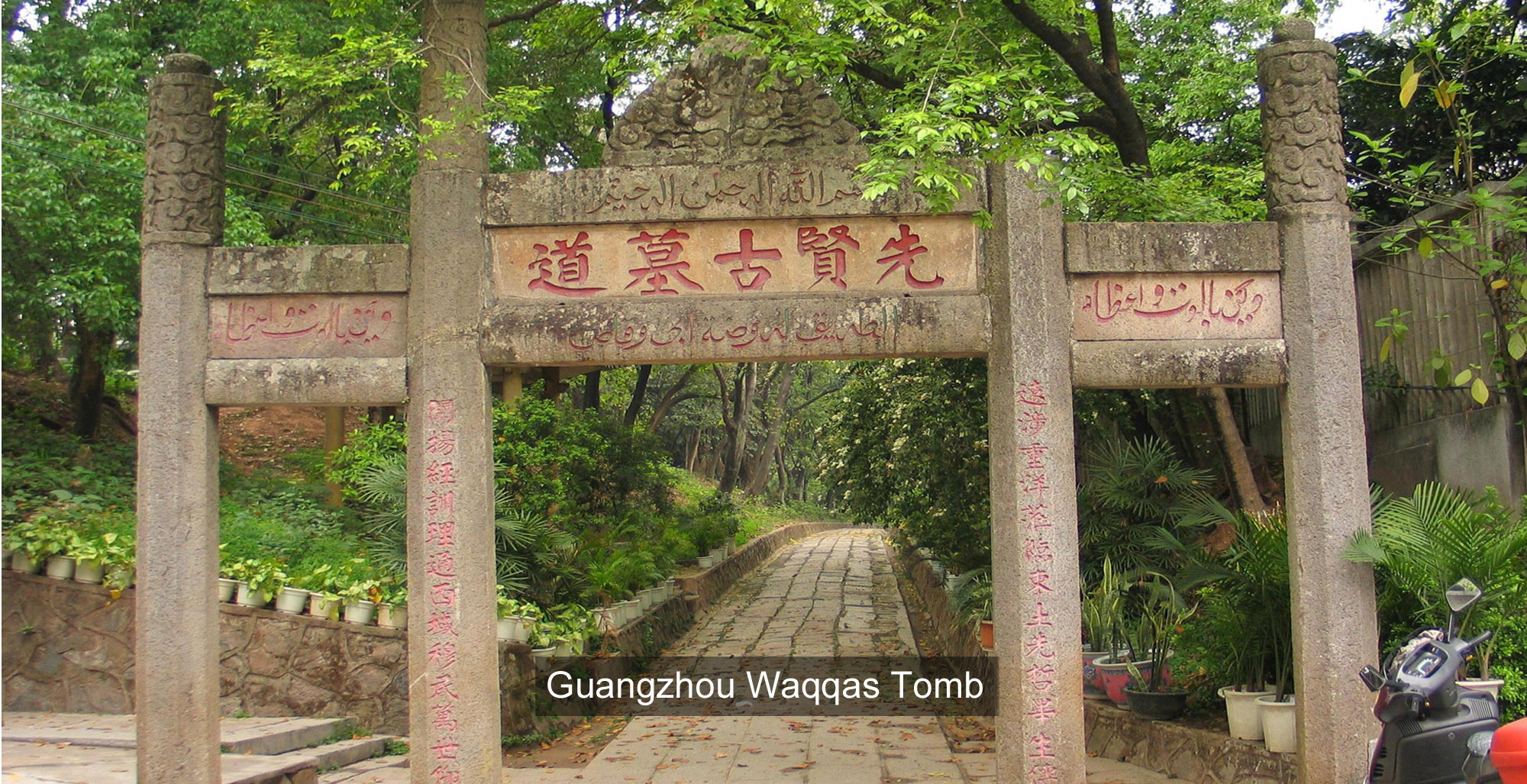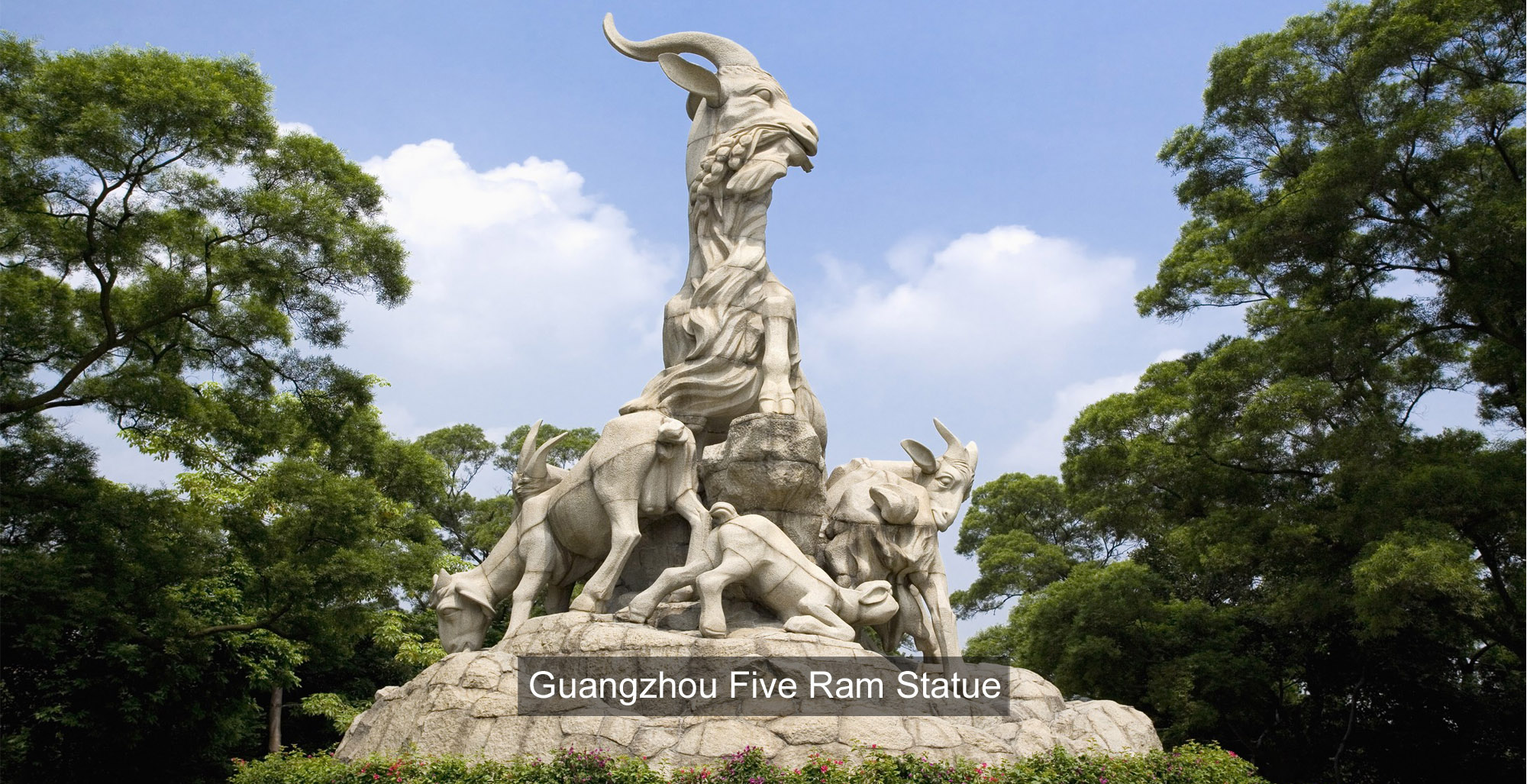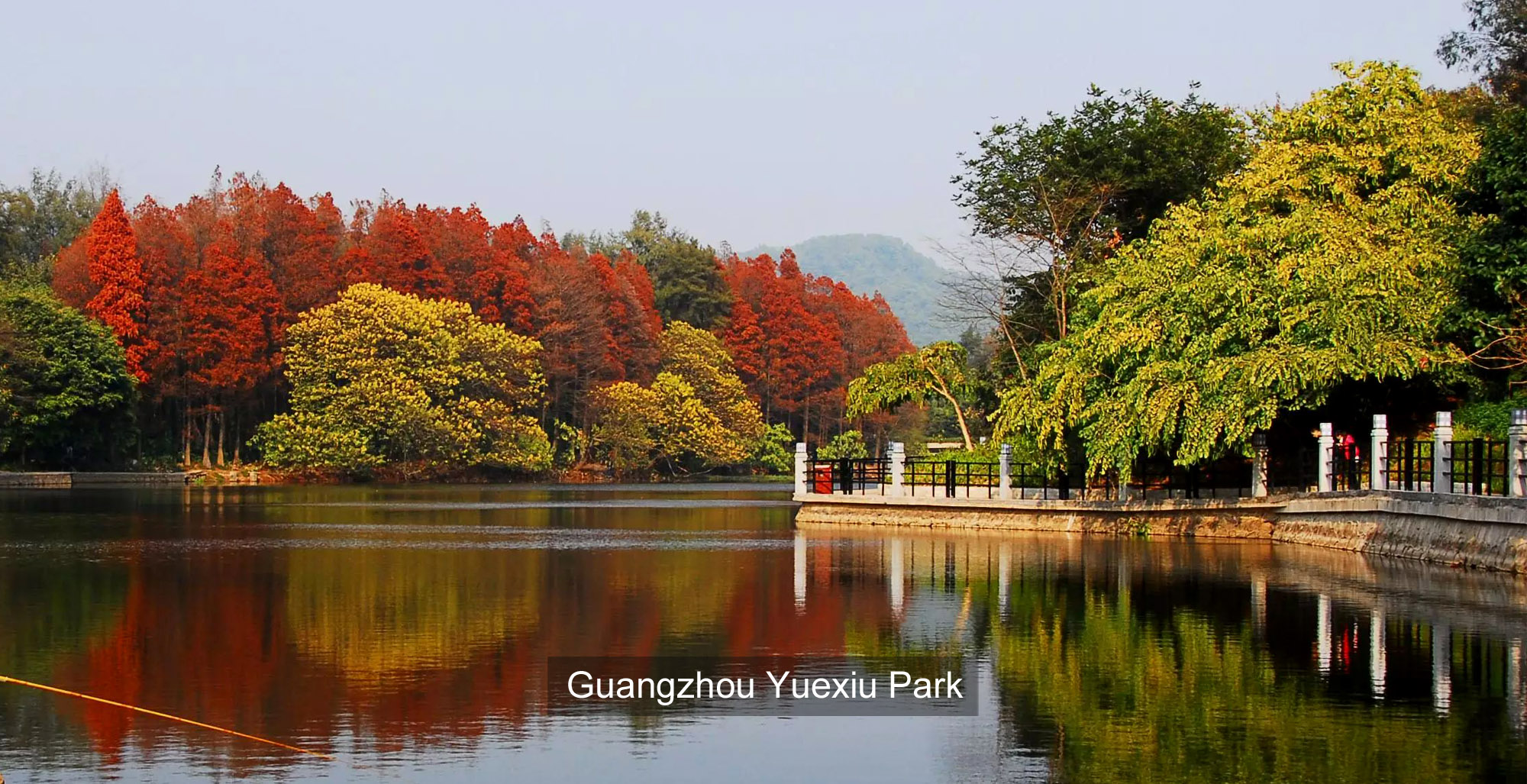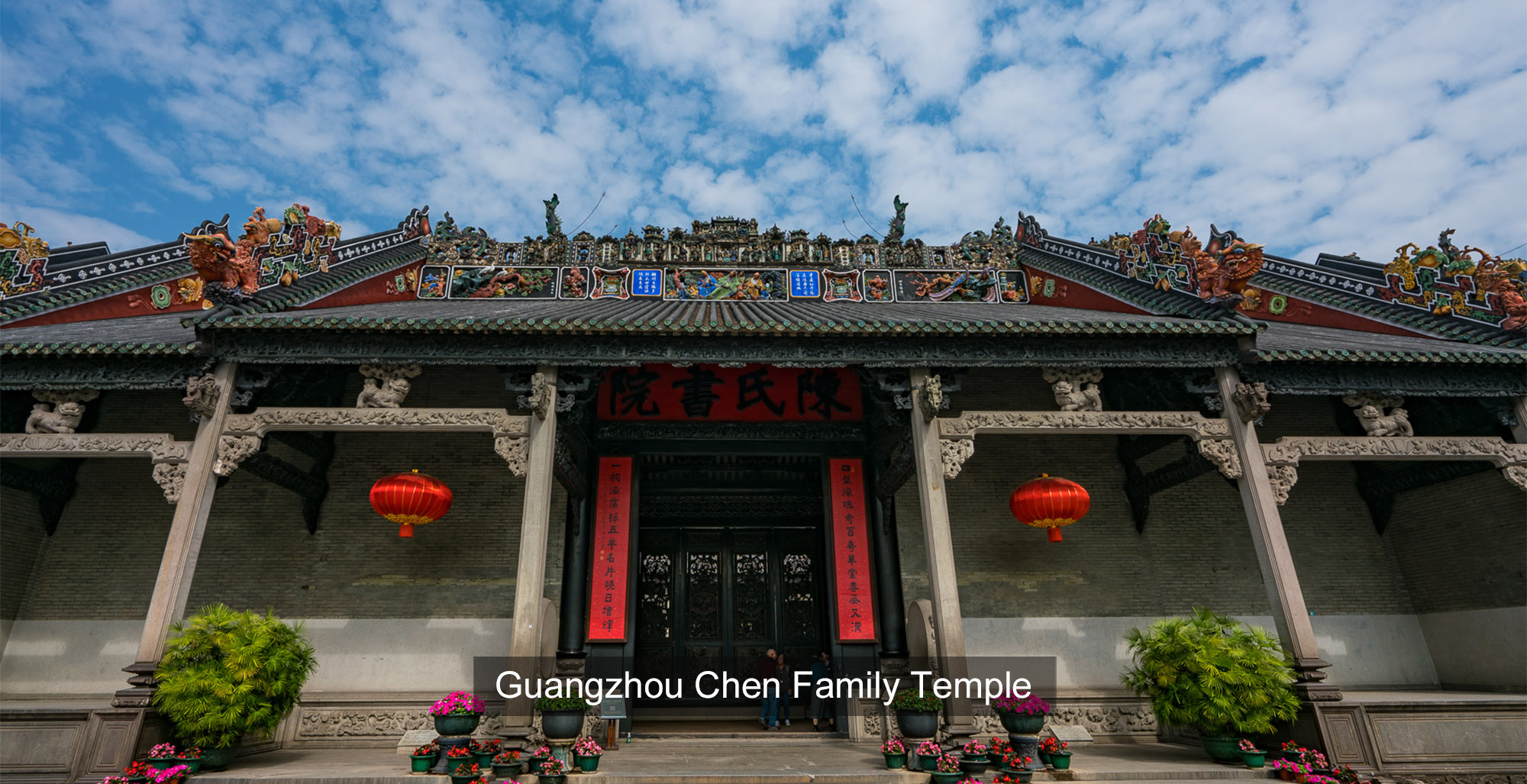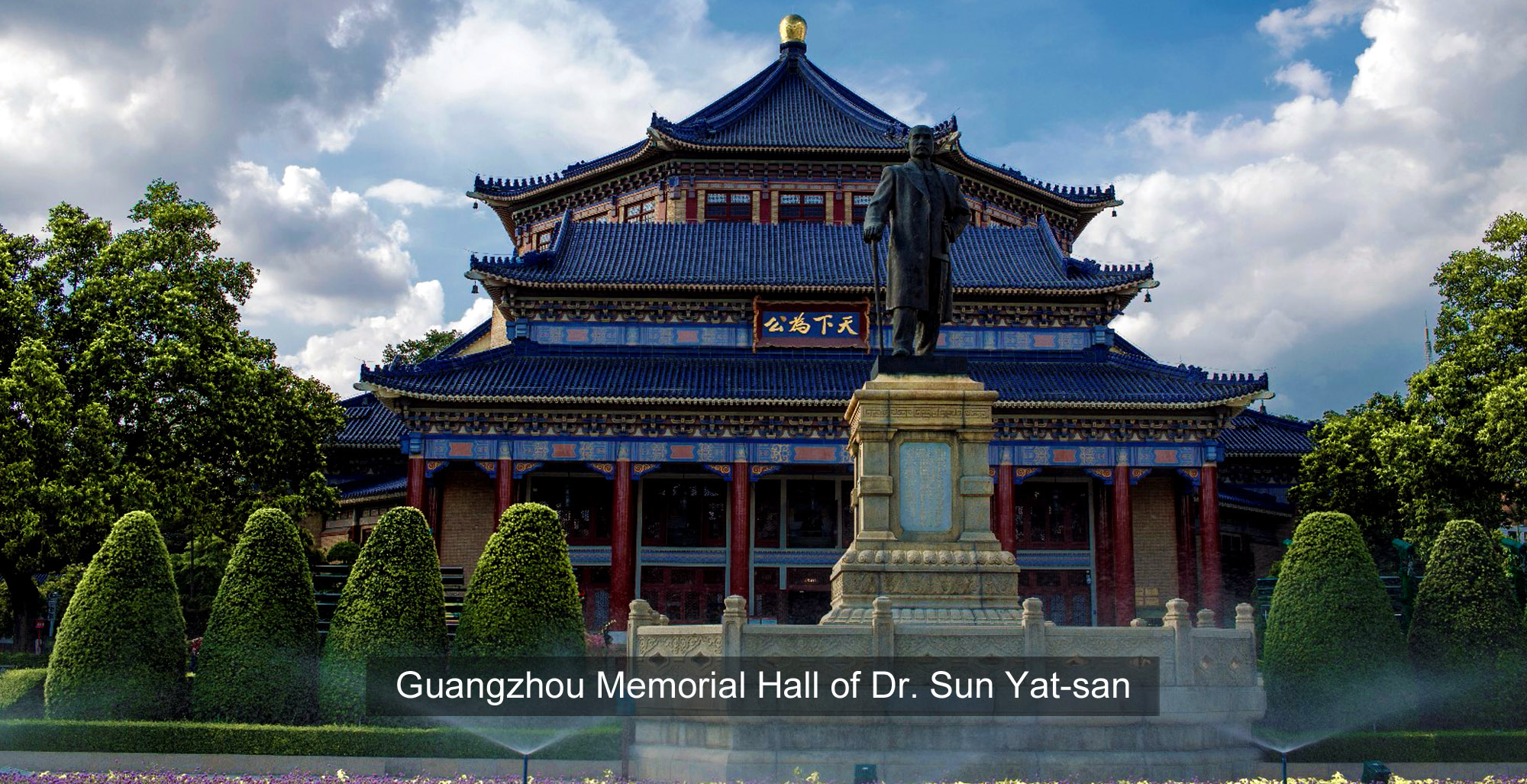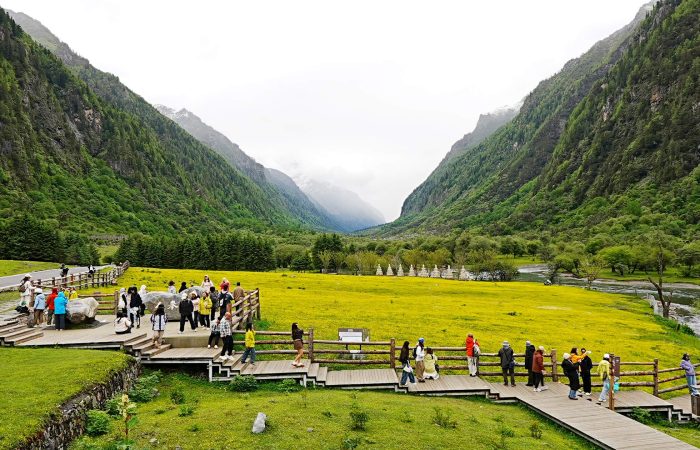


شجع النبي محمد على السفر والتعلم في الصين في حديثه: اطلب العلم, even as far as China.” In the year 1345, at the age of 40, Ibn Battuta arrived at the busy port of Quanzhou on the shore of Fujian Province, then under the rule of the Mongols of the Yuan dynasty. Known as Zayton or Zaytun during the 11th through 14th centuries, Quanzhou was praised by Ibn Battuta as one of the most prosperous and glorious cities in the world. From Quanzhou, Ibn Battuta traveled to Fuzhou, قوانغتشو, وهانغتشو, then on the Grand Canal to Beijing. Hangzhou was called the world’s biggest city by Ibn Battuta. Beijing was the capital of Mongol Yuan Dynasty during Ibn Battuta’s visit. As he traveled back to Quanzhou in 1346, Ibn Battuta saw a junk belonging to the Sultan of Samudra that was about to sail back. And so Ibn Battuta boarded and started to return home. وصف ابن بطوطة رحلته إلى الصين: 'الصين هي أكثر الدول أمانًا ومتعةً في العالم للمسافر'. يمكنك السفر بمفردك عبر الأرض لمدة تسعة أشهر دون خوف, حتى لو كنت تحمل ثروة كبيرة.' الصلاة في المساجد التاريخية, تناول الطعام في مطاعم حلال مختارة يدويًا, الإقامة في فنادق بأربعة أو خمسة نجوم بمعايير دولية, برفقة مرشدين سياحيين خبراء مسلمين, هذا 12 الرحلة اليومية ستمكنك من تتبع خطوات ابن بطوطة لاستكشاف مدن طريق الحرير البحري في الصين بأمان كما فعل ابن بطوطة منذ أكثر من 676 سنوات مضت.
+86-29-8964-0200
info@islamichina.com