+86-29-8964-0200
info@islamichina.com

Introducing Confucius Temple
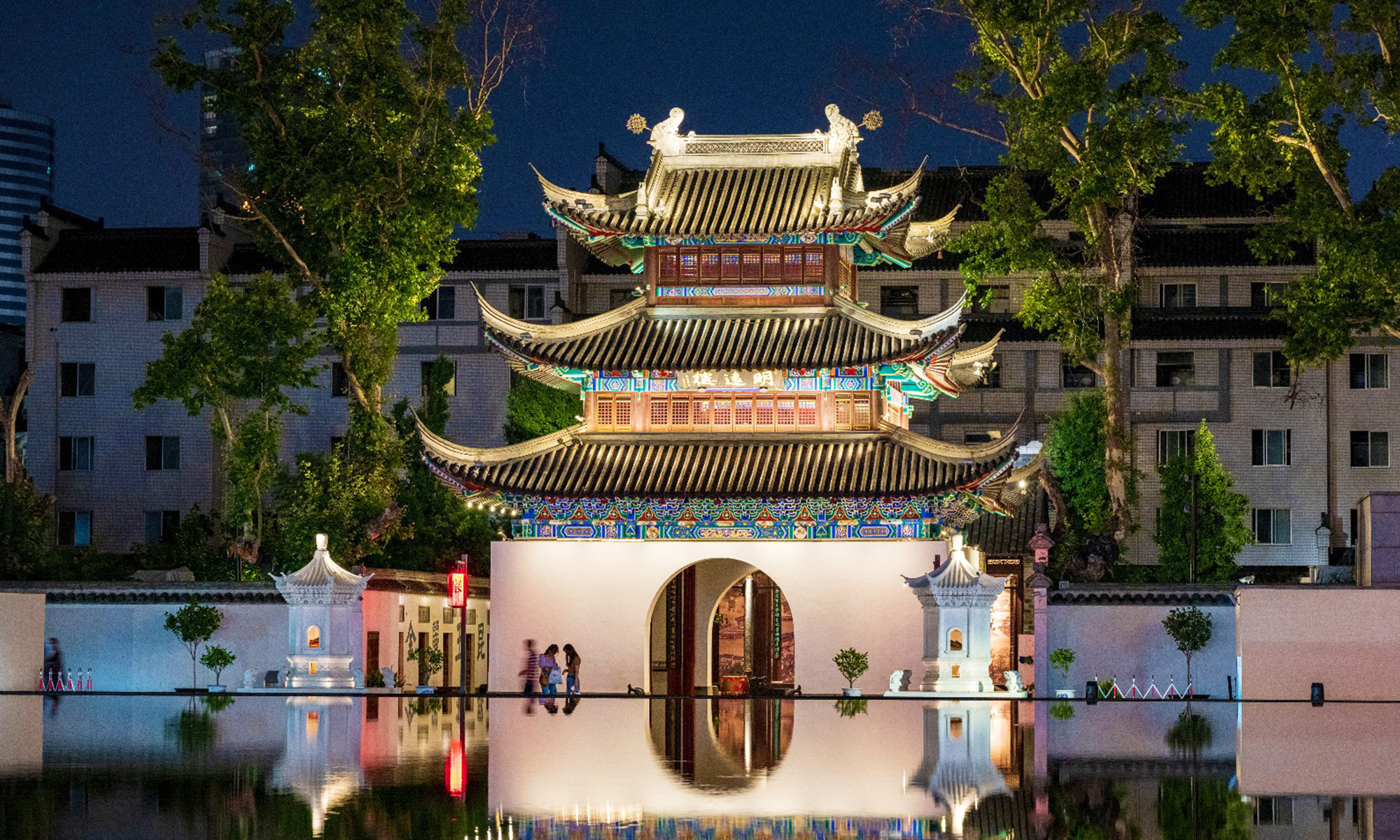
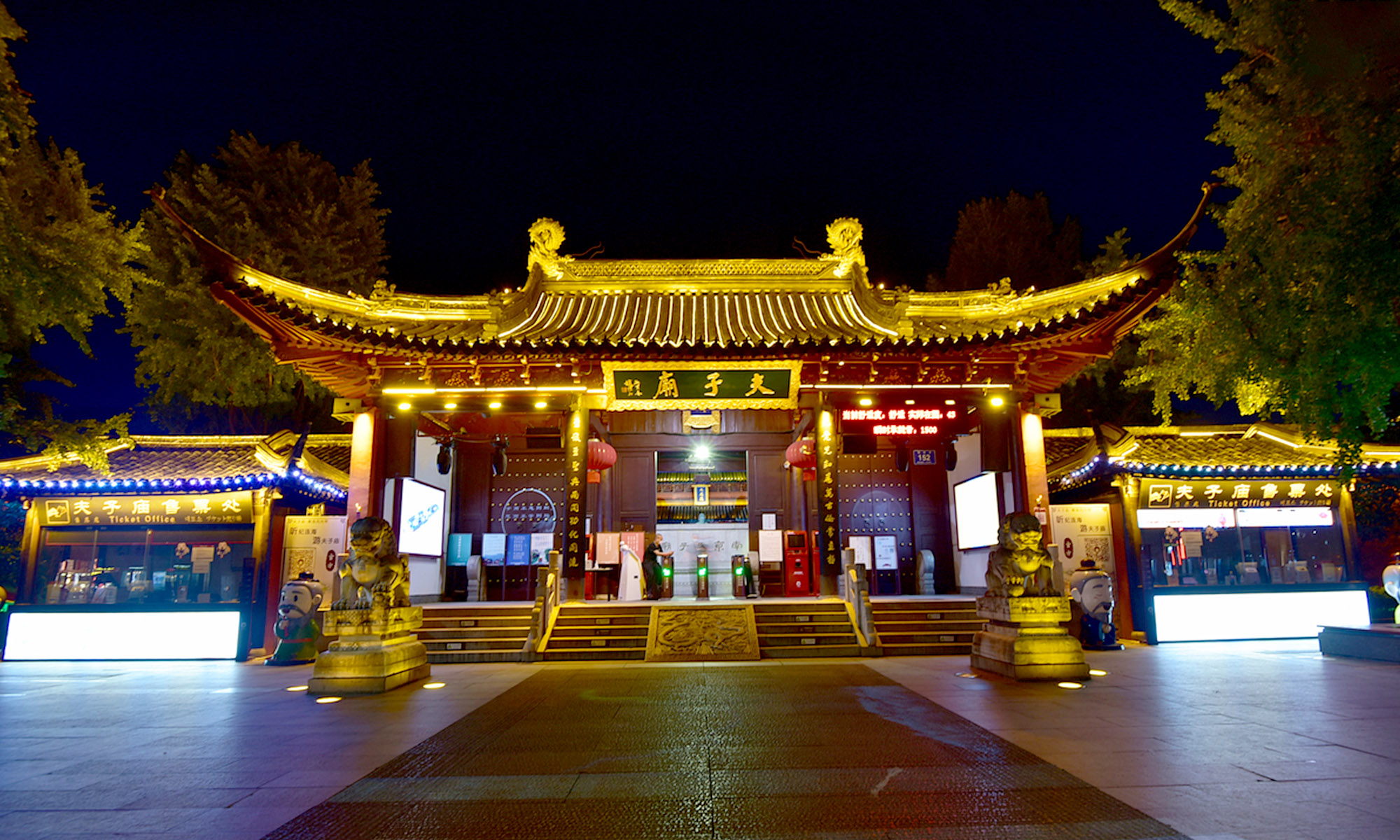
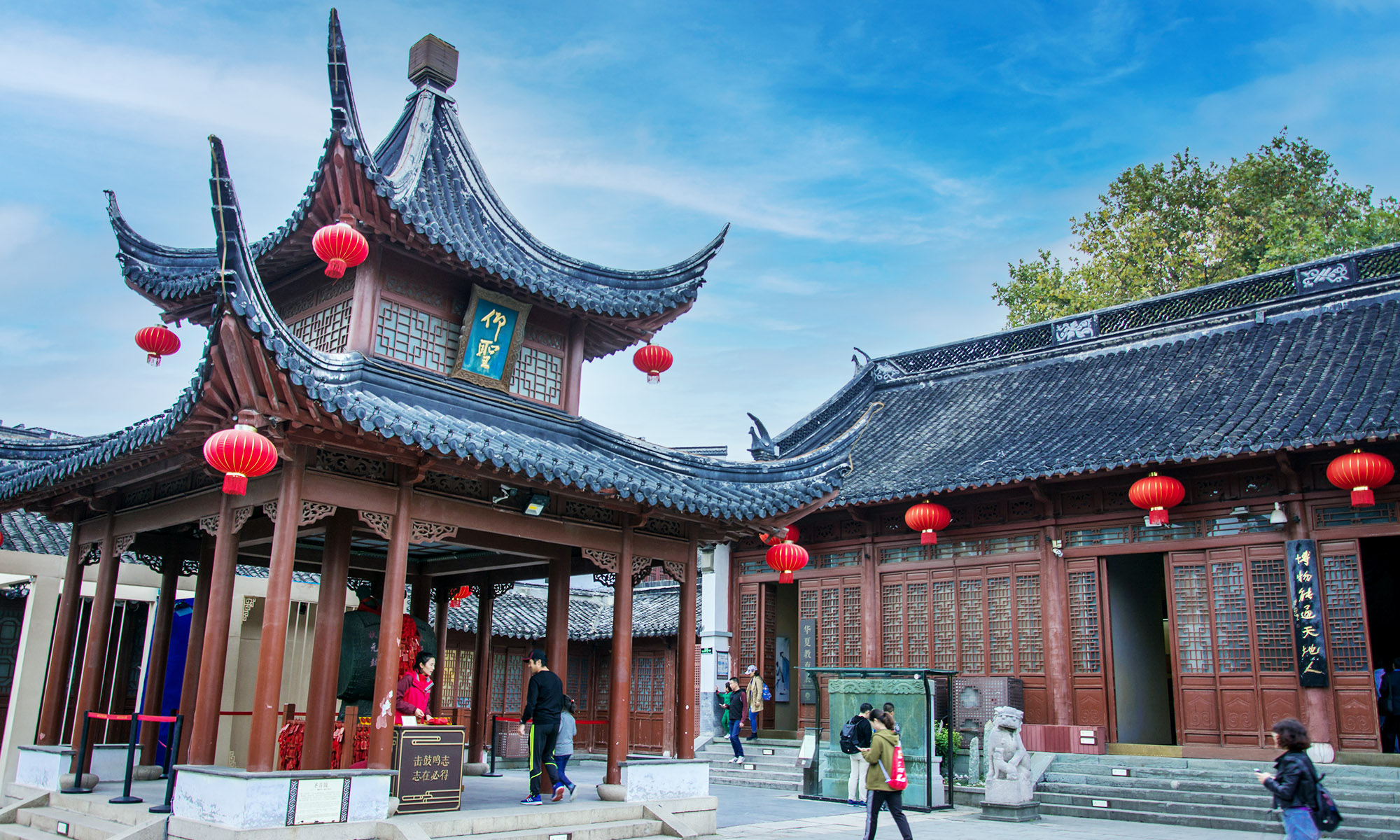
Nanjing Confucius Temple area, which is the most lively place at inner Qinhuai River. Nanjing Confucius Temple area has been historically known as the cream of Qinhuai River scenic area,which is commonly known as “Five-kilometer Qinhuai”. With Nanjing Confucius Temple ancient architectural ensemble as the center and the Qinhuai Riveras the axis, Nanjing Confucius Temple stretches from Dongshuiguan Park in the east to Xishuiguan Park in the west,Shuixi City-Gate. With historical and cultural foundation symbolic of urban development lasting over 2000 years in Nanjing, Nanjing Confucius Temple is one of the earliest important birthplaces of Nanjing and the most bustling cultural and commercial center in the history of Nanjing, representing its prosperity historically. Nanjing'deki Konfüçyüs Tapınağı başlangıçta 1034 Song Hanedanı döneminde. Konfüçyüs'e ibadet etmek ve kutsanmak için bir yerdi, Antik Çin'in büyük filozofu ve eğitimcisi. Nanjing'in Japonlar yağmalaması sırasında yakıldı 1937. Mevcut binalar 1986 mümkün olduğunca orijinal taş işçiliği kullanılarak inşa edildi.
Konfüçyüs Tapınağı Hızlı Bilgileri
• Çince Adı: Fu Zi Miao 夫子庙
• Ziyaret İçin En İyi Zaman: Mart'tan Kasım'a
• Tavsiye Edilen Ziyaret Saatleri: Saat 1 to 2 saat
• Yapılacak Şeyler: Fotoğrafçılık, Konfüçyüsçülük, Çin Tarihi ve Kültürü
• Çalışma Saatleri: Tüm gün; 09:00-21:00 Dacheng Sarayı için; 09:00-21:00 Jiangnan Sınav Salonu için
• Giriş Ücreti: Ücretsiz; CNY 30 Dacheng Sarayı için; CNY 50 Jiangnan Sınav Salonu İçin
• Adres: Konfüçyüs Tapınağı Bölgesi, Qinhuai Bölgesi, Nanjing, Jiangsu Eyaleti
Konfüçyüs Tapınağı'nda neler beklenmelidir
Nanjing Konfüçyüs Tapınağı bölgesi, doğal manzaraları bütünleştiren bir alandır, bahçeler, tapınaklar, okullar, sokaklar, yerel gelenek ve alışkanlıklarla sivil konutlar. Qinhuai Nehri kıyısında, there is an enclosure for defense as the biggest and the best preserved of its kind in the world, i.e. enclosure for defense within Zhonghua City-Gate.
There is Zhanyuan Garden known as the No. one garden in Nanjing, and one of the five famous gardens in the region to the south of the Yangtze River together with Yuyuan Garden in Shanghai, Zhuozhengyuan Garden and Liuyuan Garden in Suzhou and Jichangyuan Garden in Wuxi in the Qing dynasty.
As the neighbor of Zhangyuan Garden, there is a museum as the only one majoring in the history of the Taiping Heavenly Kingdom in China as well as Egret Park (Bailuzhou), the private park of Xu Da (Zhognshan King) as a founding general of the Ming dynasty.
Jiangnan Examination School (Jiangnan is a name used for the lower reaches of the Yangtze River) is located to the east of the Confucian temple. When Nanjing became the capital of China at the beginning of the Ming dynasty it served as the examination hall for both provincial examinations and the palace examinations for candidates from all over China. It was the biggest imperial civil examination venue in ancient China,
Additionaly, there are former residences for such rich and noble families in the Eastern Jin dynasty as Wang Dao and Xie An as well as the former residence of Shen Wanshan, the No. one rich man in the Ming dynasty in the region to the south of the Yangtze River, the former residence of Li Xiangjun as a legendary figure of Peach-flower fan in the period from the late Ming dynasty to the early Qing dynasty, the former residence of Wu Jingzi, the writer of Unofficial History of the Literati and one of the greatest man of letters in China, the former residence of Qin Dashi, in addition to such historic remains as Wuyi Lane, Taoye Ferry, Dongshuiguan Sluice, Xishuiguan Sluice, ancient Changganli and Phoenix Terrace, vb. They resemble splendid bright pearls inlaid in Confucius Temple and Qinhuai River scenic area. Boating on the Qinhuai River as the No. one River famous for its history and culture in China has become a special tourist brand in Nanjing.
Qinhuai River flows through Confucius Temple. Visitors can take painted boats to cruise on the Qinhuai River. Boats can be taken at different wharfs along the river (there is Panchi Wharf, located in front of Dacheng Hall of Confucius Temple, Wuding Gate Wharf, Wharf of Kuixing Ge, and Stone City Wharf). Çin geleneksel müziği teknelerde çalınır.
Konfüçyüs Tapınağı'na nasıl gidilir
• Konfüçyüs Tapınağı'na otobüsle ulaşılabilir 1, 4, 23, 26, 33, 40, 43, 44, 46, 63, 81, 87, 88, 202, 301, 701, 703, Metro Hattı 3 ve Hat 1.
• Nanjing'deki otellerden Konfüçyüs Tapınağı'na sorunsuz özel bir transfer için GGC'den araba/otobüs kiralayın.
Konfüçyüs Tapınağı ile ilgili ek seyahat tavsiyeleri
• Konfüçyüs Tapınağı çevresinde her zaman çok sayıda turist bulunur, özellikle resmi tatillerde. Lütfen eşyalarınıza dikkat edin.
• Qinhuai Nehri'nde tekne turu yaparken dikkatli olun.