+86-29-8964-0200
info@islamichina.com

Présentation du parc du Pavillon Wangjiang
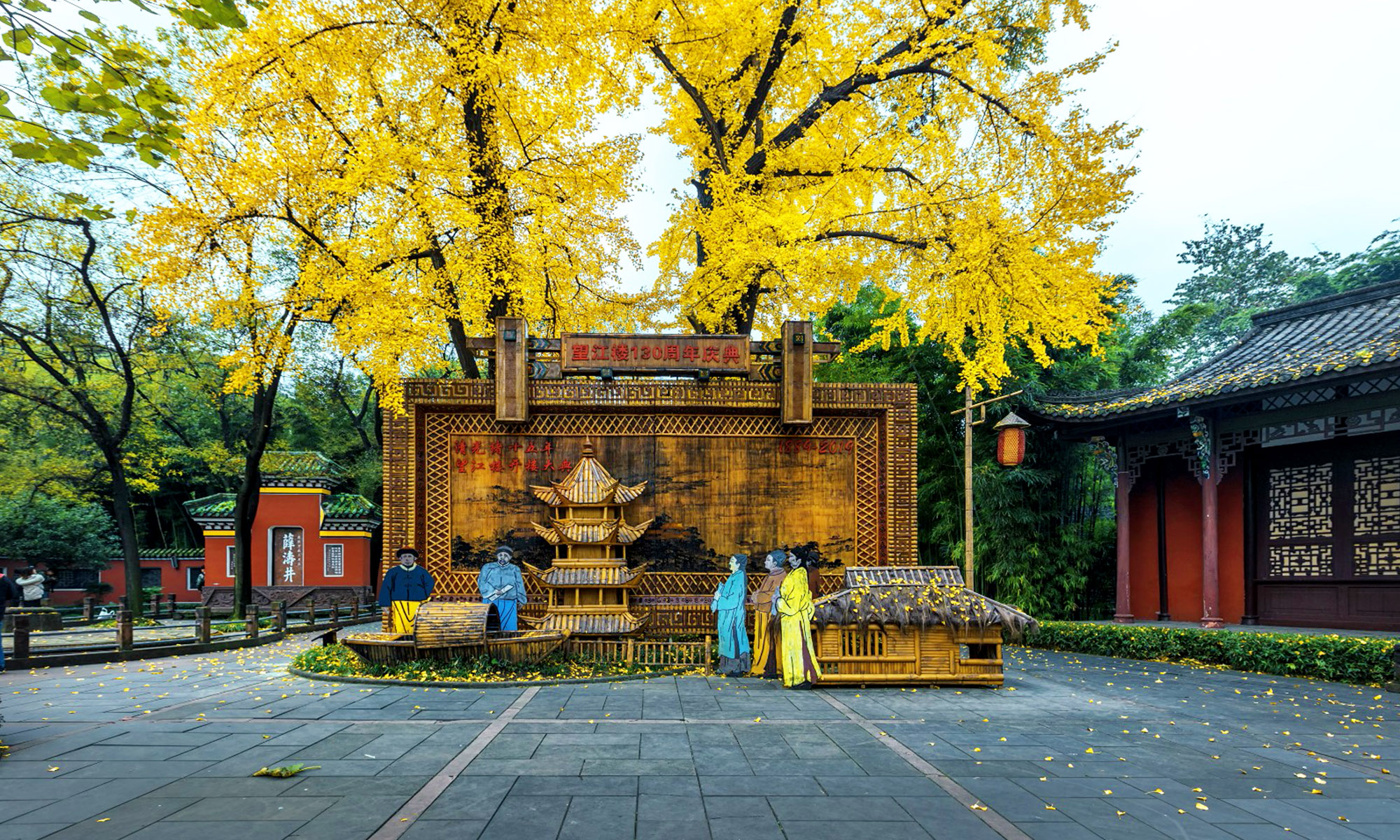
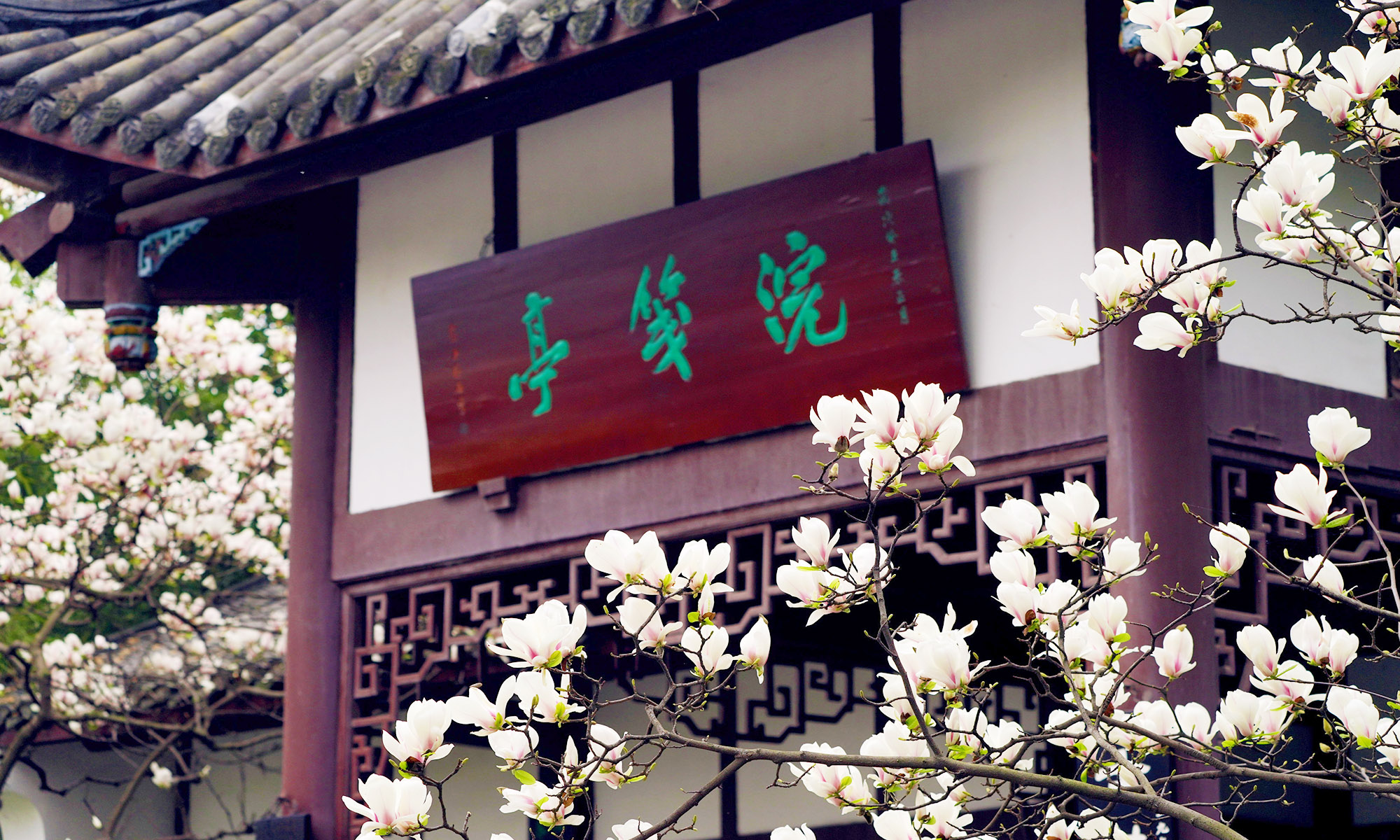
Situé sur la rive sud de la rivière Jinjiang, à l'est du centre-ville de Chengdu, Parc du Pavillon Wangjiang de Chengdu, également appelé parc Wangjianglou, est mondialement reconnu pour son patrimoine culturel représenté par le complexe de bâtiments anciens du Pavillon Wangjiang et le mémorial de Xue Tao, et sa grande collection de bambous rares.
Informations rapides sur le parc du Pavillon Wangjiang
• Nom Chinois: Parc Wangjianglou 望江楼公园
• Meilleure période pour visiter: Mars à juin, de septembre à novembre
• Heures de visite recommandées: Environ 1 à 2 heures
• Activités à faire: Photographie, Poèmes de Xue Tao, Étude sur le bambou
• Heures d'ouverture: 08:00-18:00
• Frais d'entrée: Accès gratuit pour l'aire du parc; 16 ¥ pour la zone des reliques culturelles
• Adresse: No.30, Route Wangjiang, District de Wuhou, Chengdu, Province du Sichuan
À quoi s'attendre au parc du Pavillon Wangjiang
Couvrant une superficie de 188 mu, Le parc du Pavillon Wangjiang de Chengdu se compose de la zone de conservation du patrimoine (39 mu) et de la zone ouverte (149 mu). Le site historique et attraction touristique, construit en mémoire de Xue Tao (environ 768 – 832), une poétesse ayant vécu à la dynastie Tang (618 – 907), is now a major historical and cultural site under state-level protection.
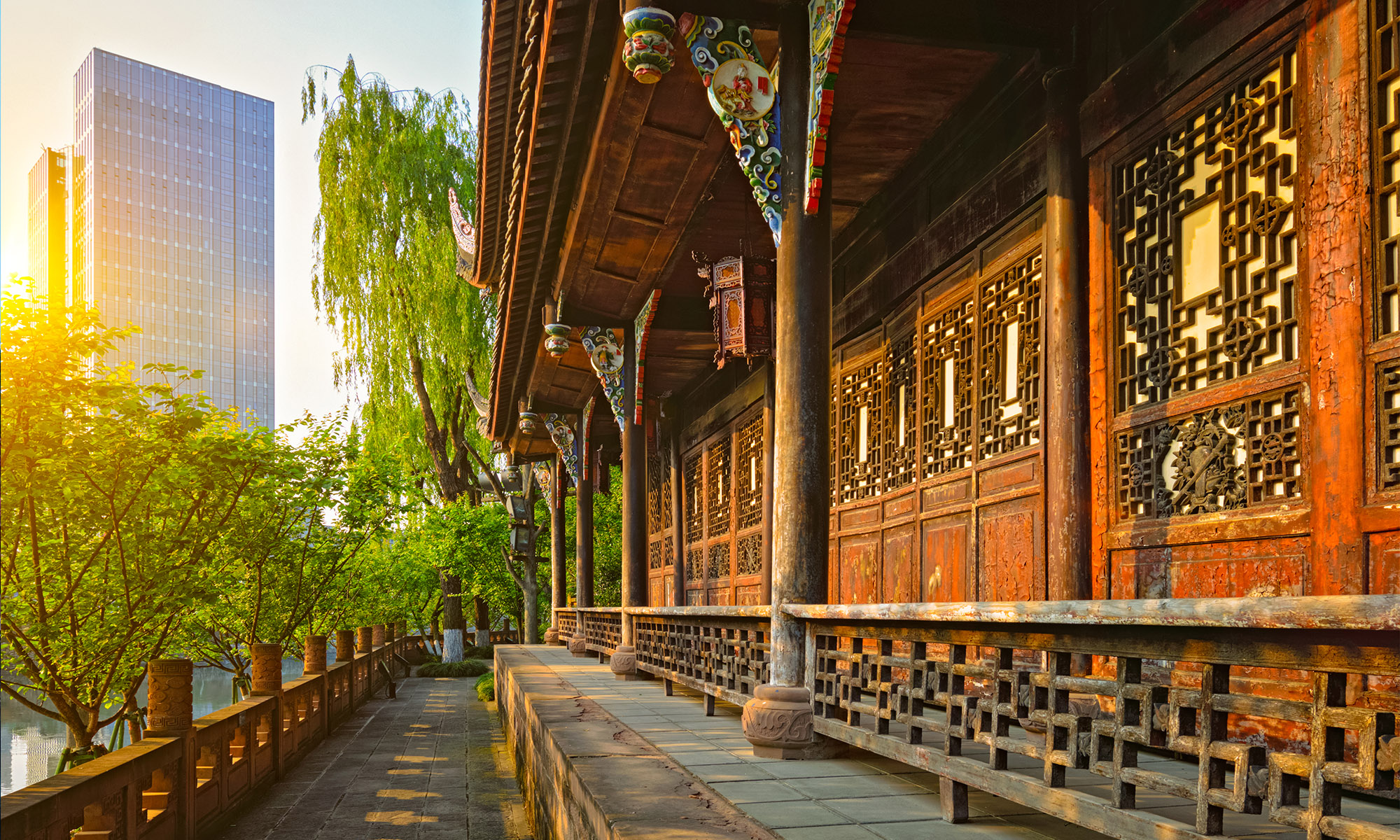
Standing by the Jinjiang River, Chongli Pavilion, a 27.9m-tall all-wood structure, is a major building of the Chengdu Wangjiang Pavalion Park. Adjacent to Jinjiang River, it is widely known as Wangjiang Pavilion (River-overlooking Pavilion). Xue Tao’s Tomb, renovated in October 1994, comprises a tombstone, principal part, foundation platform and inscription. The tombstone reads, The grave of Xue Hongdu, a talented female of the Tang Dynasty (Hongdu is Xue Tao’s courtesy name).
The Open Area of Chengdu Wangjiang Pavalion Park is a bamboo-themed area with the largest collection of bamboos in China. Xue Tao loved bamboos and described them as upright and perseverant. To commemorate Xue Tao, later generations have planted various species of bamboos all over the Chengdu Wangjiang Pavalion Park. Il y a environ 200 species from home and abroad, including many rare ones. They crowd together or interweave forming a corridor. People thus call Chengdu Wangjiang Pavalion Park with a sea of bamboos a “Park of Bamboos”.
How to get to Wangjiang Pavalion Park
• Prenez le bus n°. 3, 18, 31, 68, 77 ou 82 and get off at Sanguantang Station.
• Prenez le bus n°. 19, 33 ou 35 and get off at Wangjianglou Gongyuan Station.
Additional travel advice on Wangjiang Pavalion Park
• The Park is a popular gathering site for local people where you can learn about the daily life of Chinese people.