Introducing Gansu Provincial Museum
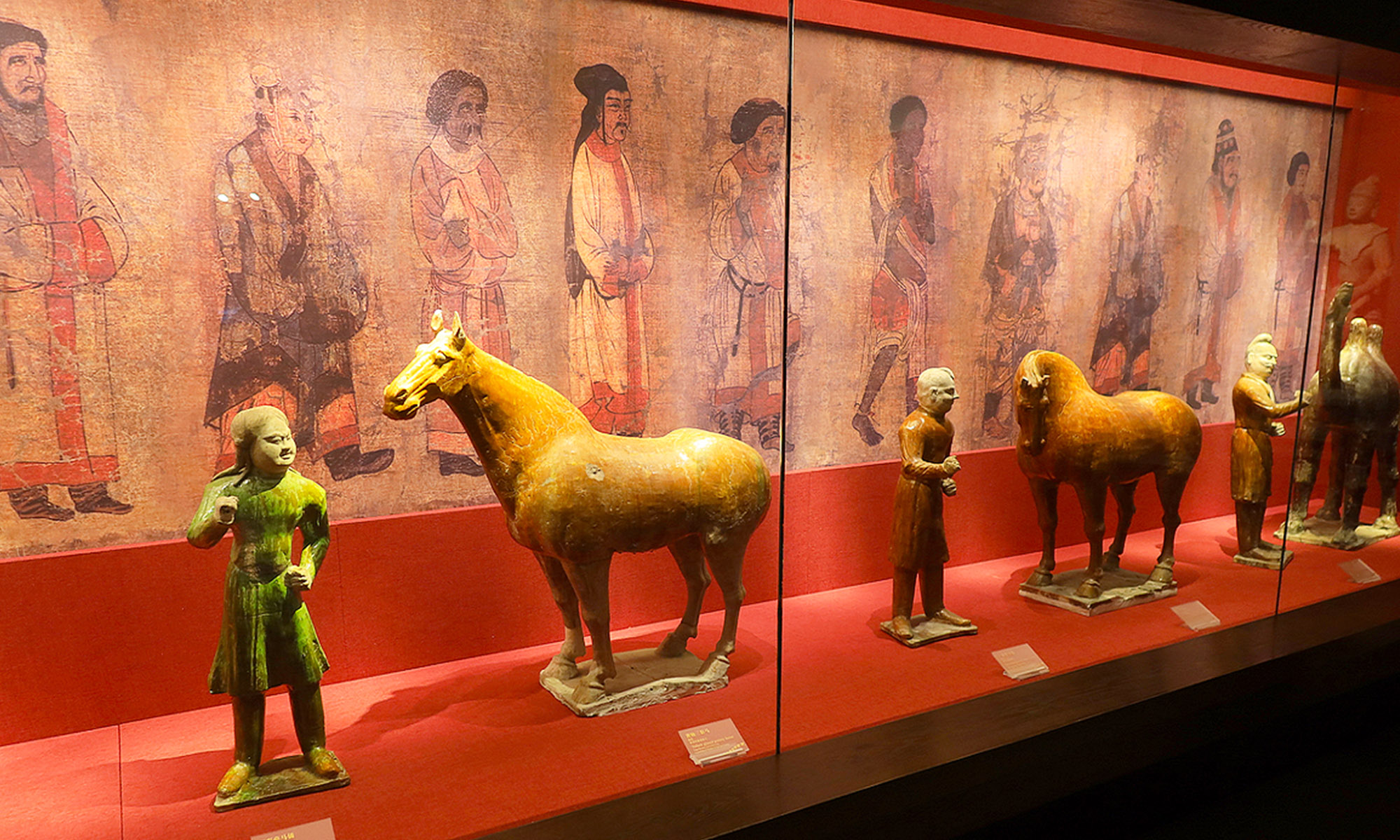
Located at Qilihe of Lanzhou City, the Gansu Provincial Museum is the biggest comprehensive museum in Gansu province. Construite pour la première fois en 1956, the Museum’s predecessor is the Science Education Hall of Gansu built in 1939. After several name changes, the Museum got its present name in 1956 and was opened to the public in 1958. Gansu Provincial Museum covers a construction area of 180,000 mètres carrés (environ 4 acres). The museum boasts 75,000 cultural relics, ranging from natural specimens to historical, revolutionary and national heritages, of which more than 110 pieces are of the first class, including Gansu color-painted pottery, and bamboo slips on medication of the Han era, etc.. The most famous piece in the collection of Han Dynasty (206BC-220AD) bronzes is the Galloping Horse of Wuwei that is accompanied by an impressive array of chariots and carriages.
Gansu Provincial Museum Fast Facts
• Nom Chinois: Gan Su Sheng Bo Wu Guan 甘肃省博物馆
• Meilleure période pour visiter: Tout au long de l'année
• Heures de visite recommandées: Environ 2 heures
• Activités à faire: Photographie, Archeology, Gansu’s Culture and History
• Heures d'ouverture: 09:00-17:00 Mardi à Dimanche
• Frais d'entrée: Gratuit
• Adresse: No. 3 West Xijin Road, Qilihe District, Lanzhou, Province de Gansu
What to expect at Gansu Provincial Museum
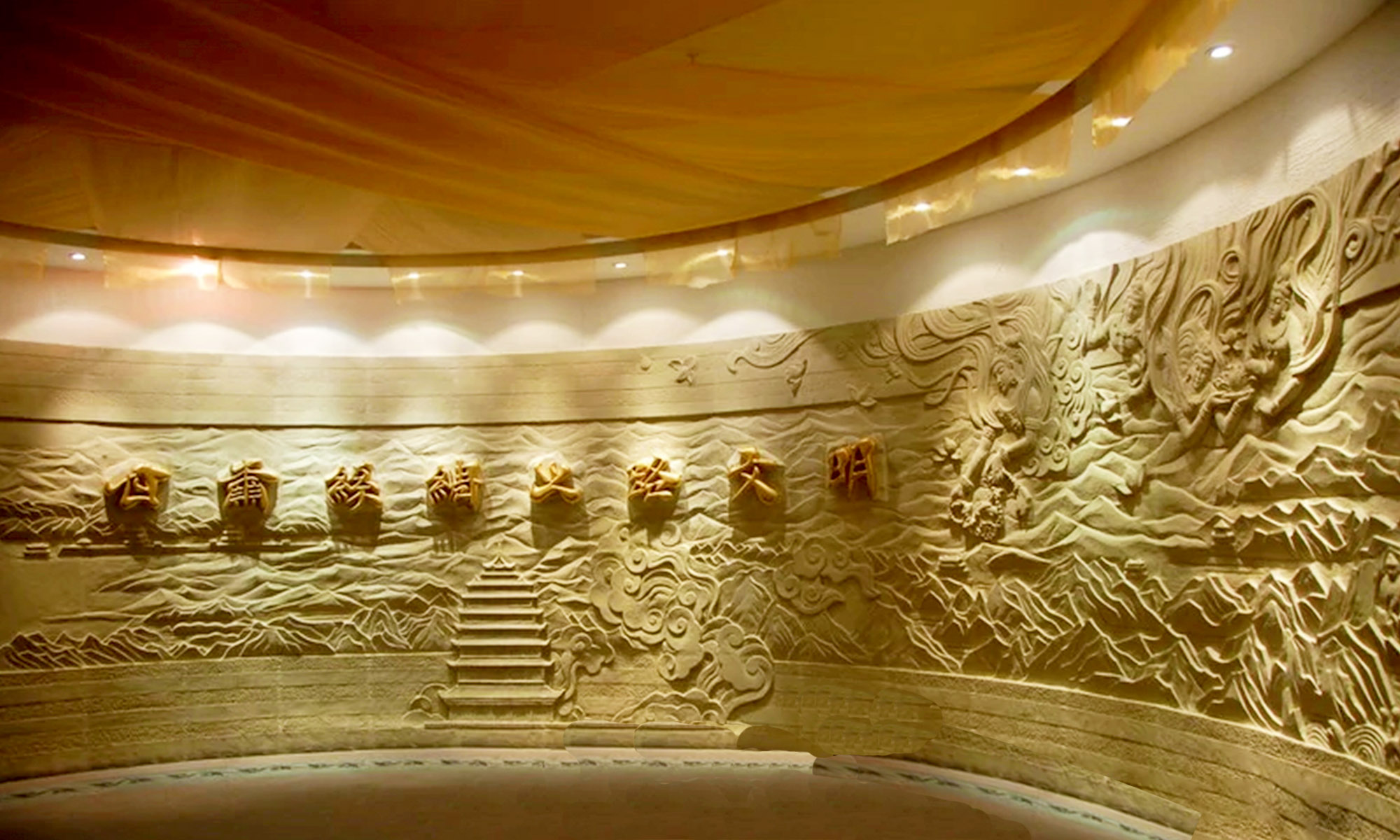
Avec 7,500 square meters of exhibition space, the Museum mainly features five exhibition halls, à savoir, the Hall of Gansu Historical Relics, the Hall of Gansu Natural Resources, the Hall of Jiayuguan Murals of Wei and Jin Period, the Hall of the Yellow River Ancient Elephants, and the Hall of Red Army’s Long March via Gansu.
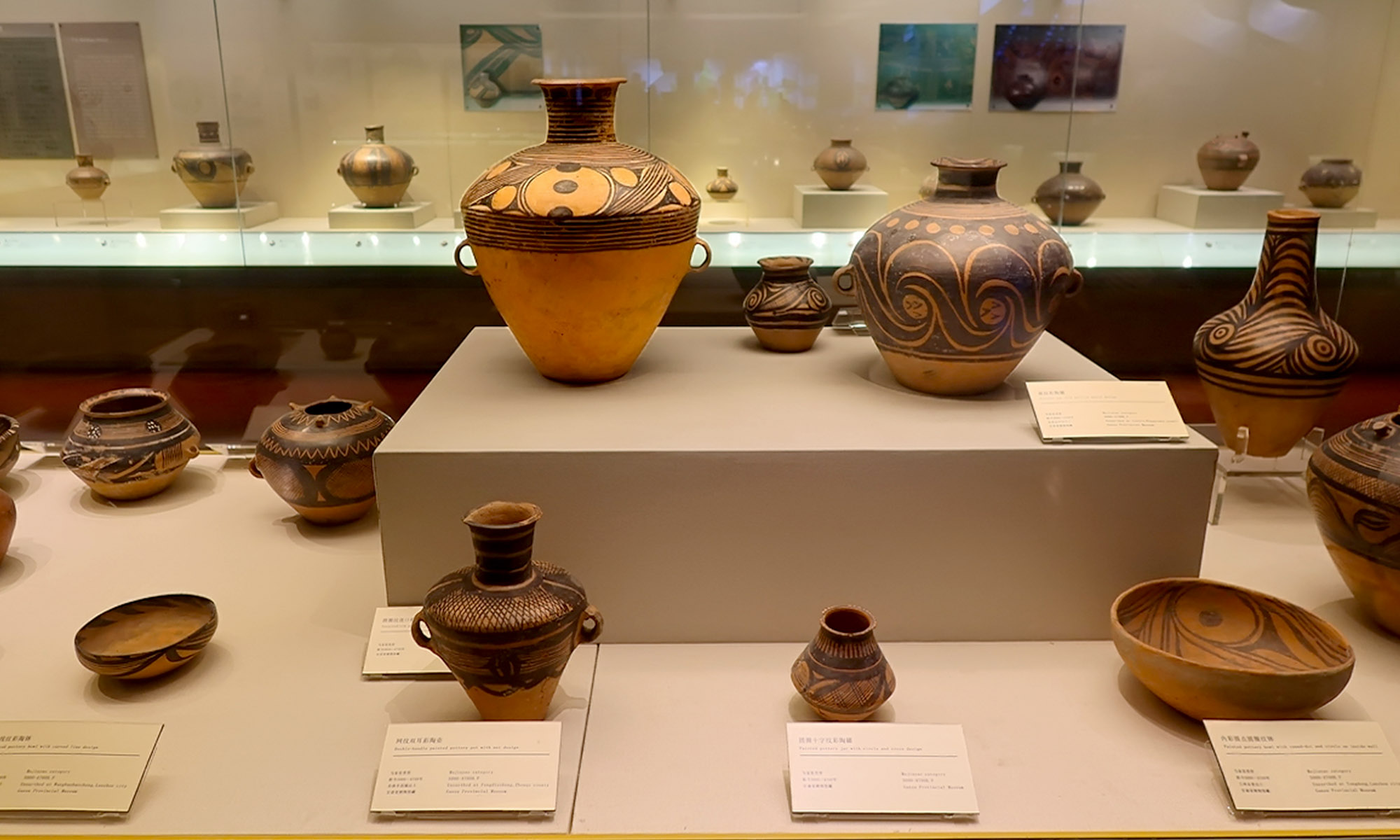
The Hall of Historical Relics exhibits about 1,500 items of unearthed relics, mainly including painted pottery bowls, vessels and agricultural tools, and excavations from the Silk Road of the Han (206BC-220AD) and Tang (618-907) periods. The unearthed pottery objects bear the patterns of birds, frogs, flowers or leaves. Parmi eux, pottery vessels of Majiayao Culture excavated from the region of the Yellow River Valley are the best. Geometric motifs like parallel lines, circles, crosses, and spirals (volutes) were used.
The Hall of Natural Resources exhibits about 1,380 items of real objects as well as models, introducing knowledge on Gansu’s population, nationalité, transportation, climate, animals and plants resources, etc..
The Hall of Jiayuguan Murals of Wei and Jin Period (220-420) displays over 60 murals on the tomb bricks mainly depicting the daily life of the aristocrats, laboring scenes of the common people, and imperial life. The colorings are well-preserved and still very vivid.
The Hall of the Yellow River Ancient Elephants exhibits a 4-meter-tall and 8-meter-long fossil of the Yellow River Xiphodon mammoth, qui est le plus grand et le mieux conservé de son genre dans le monde.
La dernière salle contient des reliques révolutionnaires de la Longue Marche, y compris des photos, des documents, et des objets réels, etc.. Les publications du musée comprennent les Bambous de Han de Wuwei, et la Céramique peinte en couleurs du Gansu, etc..
Comment se rendre au Musée provincial du Gansu
• En bus: prendre le bus 1, 18, 31, 32, 50, 53, 58, 77, 106, 129, 136, 137 ou 158 jusqu'à la station Qilihe Qiao.
• Louez une voiture/un bus auprès de GGC pour profiter d'un transfert privé sans tracas depuis les hôtels de Lanzhou jusqu'au Musée provincial du Gansu.
Conseils de voyage supplémentaires sur le Musée provincial du Gansu
• Le musée est fermé le lundi sauf les jours fériés.
• Veuillez garder le silence dans le musée.
• Il est interdit d'utiliser le flash ou un trépied pour prendre des photos.