Introducing Chakpori Hill
Les collines de Chagpori sont une colline sacrée dans la ville de Lhassa au Tibet. La colline se trouve au sud du Potala et juste à gauche lorsque l'on fait face au Potala, ce qui est le meilleur endroit pour prendre des photos du Potala. La colline de Chakpori est considérée comme l'une des quatre montagnes sacrées du centre du Tibet.
Faits rapides sur la colline de Chakpori
• Nom Chinois: Yao Wang Shan 药王山
• Meilleure période pour visiter: De mai à septembre
• Heures de visite recommandées: Environ 1 à 2 heures
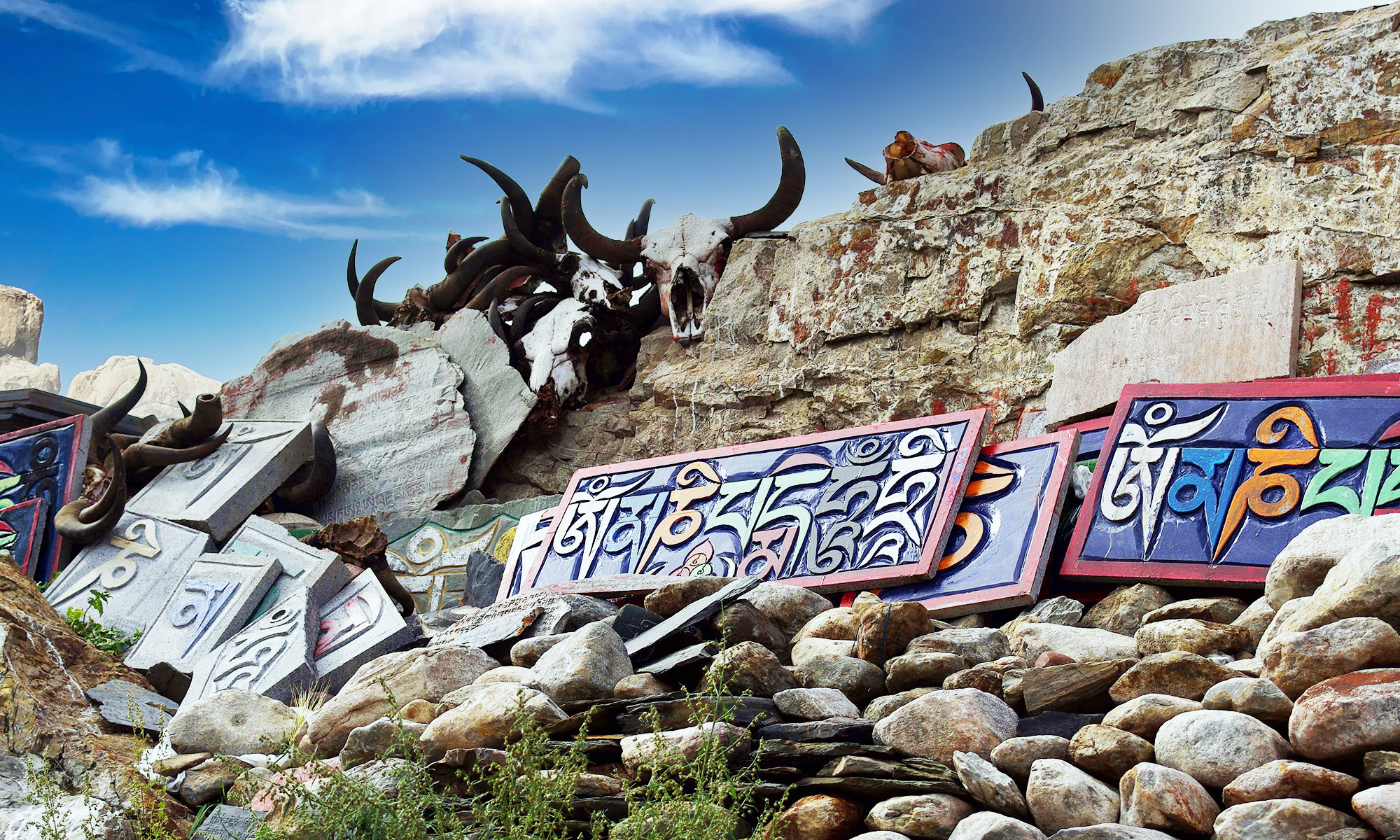
• Activités à faire: Photographie, Gravures sur roche, Culture bouddhiste
• Heures d'ouverture: Toute la journée pour la colline; 07:00-19:00 pour le point d'observation
• Frais d'entrée: Gratuit; CNY 2 pour le point d'observation
• Adresse: Rue de Pékin, District de Chengguan, Lhassa, Tibet
À quoi s'attendre à la colline de Chakpori
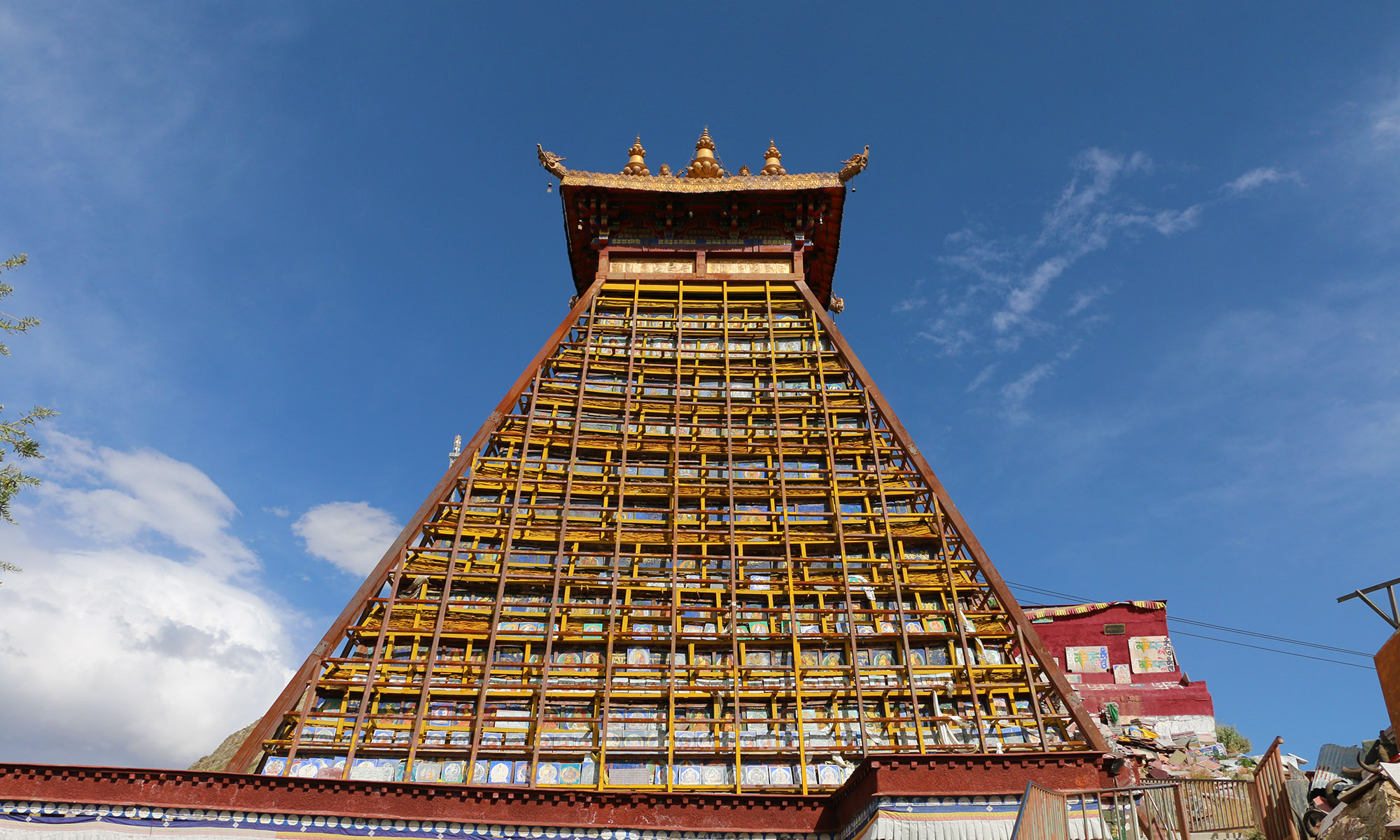
La colline de Chagpori était le site du collège médical monastique du même nom fondé là-bas par Sangye Gyatso en 1696. Ce collège médical, qui incorporait un temple récemment restauré construit par Thang Tong Gyalpo, était approvisionné en terres génératrices de revenus et bénéficiait d'un flux constant d'étudiants grâce à une “taxe monastique”. It remained an important medical institution in Tibet and Central Asia up until the mid-Twentieth century. During the March 1959 Lhasa uprising, the medical school and a temple housing statutes of coral , mother-of-pearl and turquoise were demolished by PLA artillery as the Tibetans had placed a few cannons up there. Chakpori Hill is now crowned by radio antennas, which has been viewed as “yet another Chinese attempt to demean the things of value to the people of Tibet.” A road has been constructed through the spur that used to connect Chagpori with the Marpori , Red Hill, on which the Potala is built.
On the east side of the Chagpori Hill was a small temple in the cave style named Palukb Temple. Situated on the hillside of the Chagpori Hill, Palukb Temple is one of the rare cave temples well preserved during the long history in Lhasa. Il y a 69 Buddha carving on the wall and another 66 carvings lined on each side.
Tradition has it that the three main hills of Lhasa represent the “Three Protectors of Tibet.” Chagpori Hill is the soul-mountain (bla-ri) of Vajrapani, Pongwari that of Manjushri, and Marpori, the hill on which the Potala stands, represents Chenresig or Avalokiteshvara.
How to get to Chakpori Hill
• Prendre le bus 13, 24 ou 34 to Yaowangshan Caishichang Station; prendre le bus 8, 17, 26, 35 or L2 to Baita Station.
• Rent a car/bus from GGC to enjoy a hassle free private transfer from hotels in Lhasa to Chakpori Hill.
Additional travel advice on Chakpori Hill
• Chakpori Hill is always crowded, especially in the morning. If you would like to take photographs of Potala Palace, veuillez vous rendre tôt à la plateforme d'observation et faites attention.
• Les lunettes de soleil et la crème solaire sont toujours nécessaires pour se protéger des coups de soleil et du rayonnement ultraviolet intense pendant la journée.