+86-29-8964-0200
info@islamichina.com

تقديم معبد شاولين
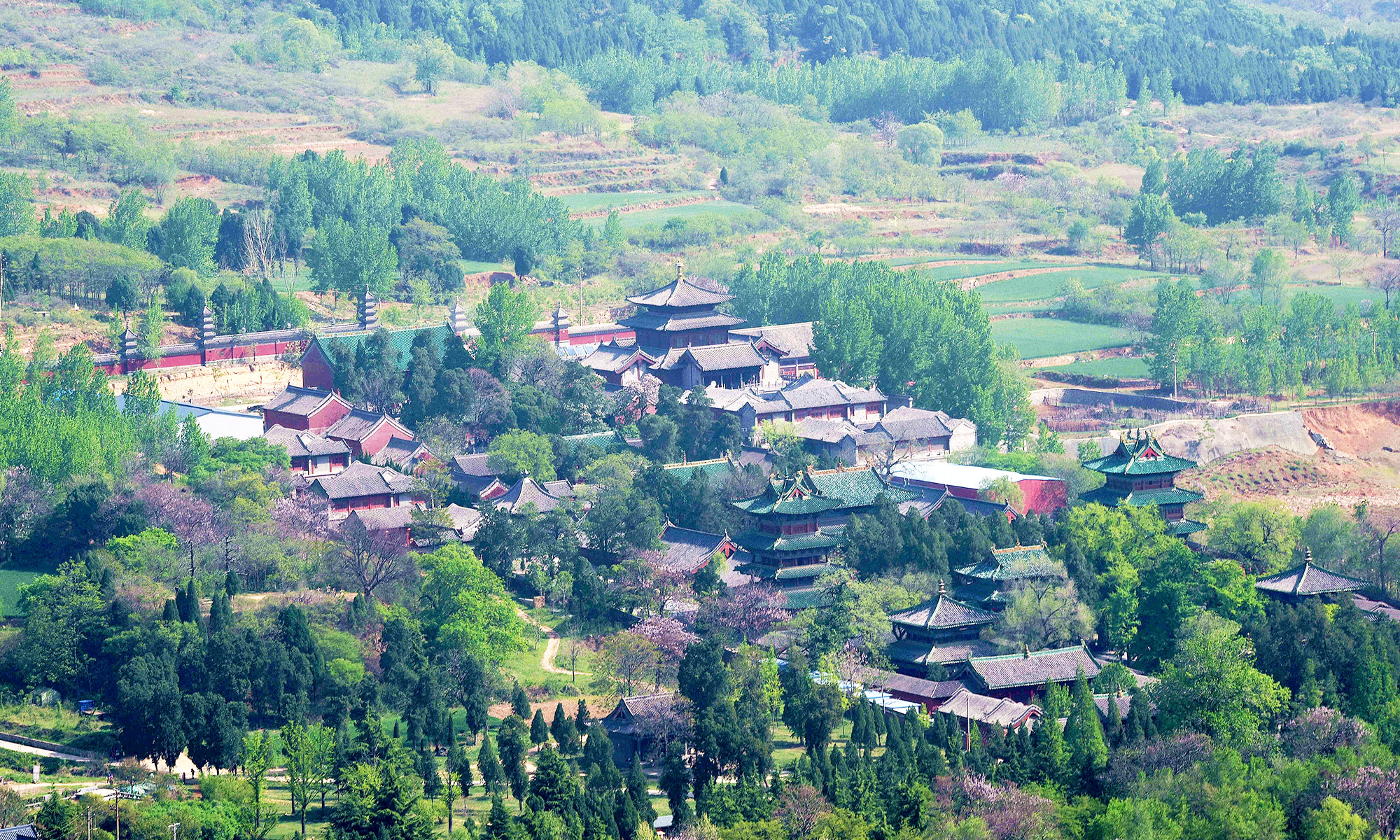
يقع معبد شاولين في مقاطعة دنجفنغ, مقاطعة خنان. إنه مهد طائفة تشان في البوذية (الزن) في الصين وكذلك مهد فنون الووشو الشاولينية الصينية (فنون القتال). في 1983, تم تصنيفه كأحد المعابد الوطنية الرئيسية في مناطق قومية الهان. تم تأسيس معبد شاولين في السنة العشرون (496) لحكم تايهي من أسرة وي الشمالية (386-534). وسمي بمعبد شاولين لأنه يقع في قلب جبل سونغشان, الذي يُعد الوسطى من بين الجبال الخمسة المشهورة في الصين, وفي غابات كثيفة عند سفح جبل شاوشي. ويقال إن هذا المعبد بُني بواسطة يوانهونغ (الإمبراطور شياو وِن من أسرة وي الشمالية) لغرض استضافة بوذا, راهب هندي جاء إلى الصين لنشر التعاليم البوذية. بعد ذلك, بوديهيدارما, مؤسس طائفة تشان في الصين, جاء إلى جبل سونغشان عبر مدينتي قوانغتشو ونانجينغ عن طريق البحر. في معبد شاولين, قام بتجنيد التلاميذ على نطاق واسع, ونشر التعاليم البوذية. منذ ذلك الحين, تم تأسيس مكانة معبد شاولين كمهد لطائفة تشان. معروف أيضًا معبد شاولين بفن الكونغفو الخاص به. حصل كونغفو شاولين على شهرته الكبيرة خلال أسرتي سوي وتانغ (581-907). في عهد أسرة سونغ (960-1279), أصبح مدرسة فريدة للفنون القتالية باسم مدرسة شاولين في التاريخ وبدأ يبرز كواحد من أعظم مدارس الكونغفو في الصين. خلال عهد أسرة يوان (1271-1368), كان في معبد شاولين أكثر من ألفي راهب وأصبح معبدًا بوذيًا مشهورًا. بعد منتصف عهد أسرة تشينغ (1644-1911), بدأ تدريجيًا في الانحدار.
حقائق سريعة عن معبد شاولين
• الاسم الصيني: Shao Lin Si 少林寺
• أفضل وقت للزيارة: مارس إلى نوفمبر
• ساعات الزيارة الموصى بها: حوالي 3 إلى 4 ساعات
• الأنشطة التي يمكن ممارستها: التصوير, Buddhism Culture, Martial Arts
• ساعات العمل: 08:300-17:30
• رسوم الدخول: يوان صيني 80
• العنوان: Songshan Mountain, Dengfeng, مقاطعة خنان
What to expect at Shaolin Temple
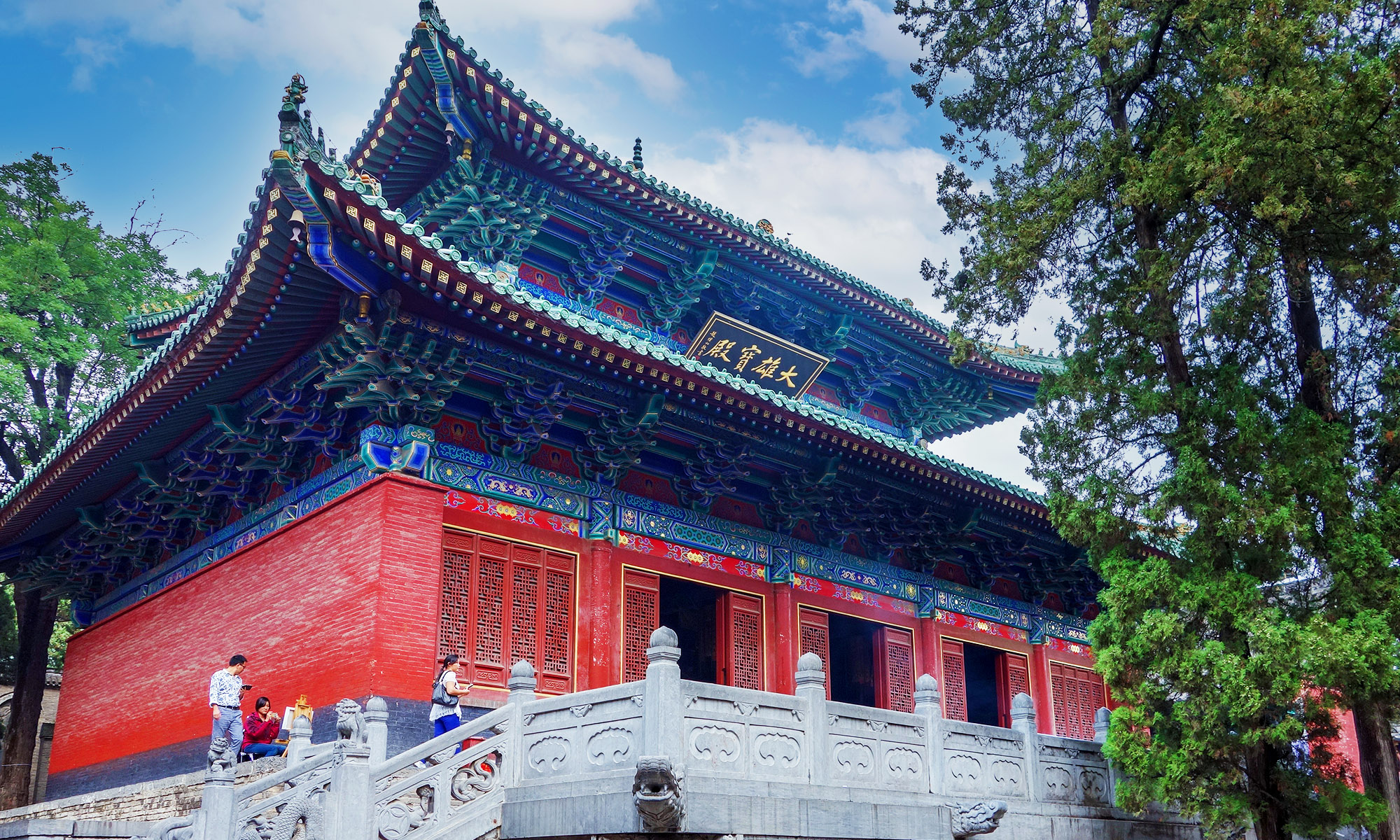
Shaolin Temple covers an area of more than 30,000 أمتار مربعة, so its scale is great. Much attention has been paid to symmetry of its overall arrangement. On its medial axis stand the Gate of the Temple, Heavenly King Hall, Main Hall, Sutra Hall, Abbot’s Room, Thousand Buddhas Hall, إلخ., and a number of important buildings stand on both sides hereof. The Gate of the Temple is in the shape of red wall and green tile, and three characters Shao Lin Si (Shaolin Temple) on the tablet of the Gate were written by Emperor Kangxi of the Qing Dynasty. The Statue of Sakyamuni and the Statue of Kwan-yin are enshrined in the Main Hall. The Sutra Hall is the place where the temple stores Buddhist scriptures and expounds Buddhist doctrines. The Thousand Buddhas Hall is the largest Buddhas Hall in Shaolin Temple, and there exist large-scale colorful frescoes on three walls. These frescoes are of superb craftsmanship, and are treasures in China.
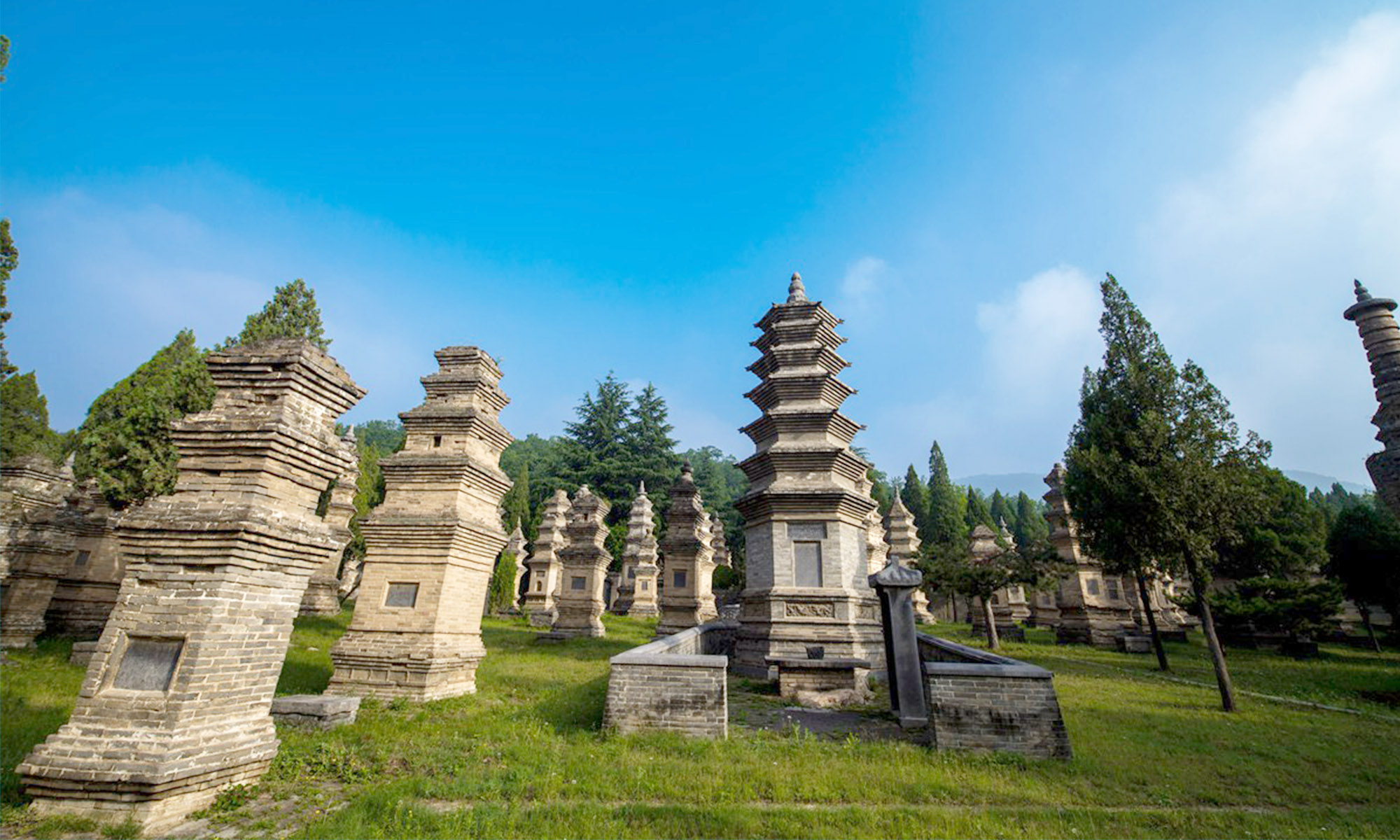
حوالي 300 meters in the west of Shaolin Temple, there stands the largest-scale group of pagodas in China. This group, consisting of more than 250 الأبراج, is the burial ground for all abbots of Shaolin Temple in the past dynasties since the Tang Dynasty (618-907). All pagodas are different in shape and size, and were almost inscribed and graved, which mirror the architectural styles of different dynasties, and is the treasury for research on China’s ancient brick-and-stone buildings and statuary.
How to get to Shaolin Temple
• Shaolin Temple are approximately 17km from downtown Dengfeng, 70km away from Luoyang and 95km from Zhengzhou.
• Take Dengfeng Bus 8 (Dengfeng-Shaolin Line) to Shaolinsi Station. ثم التجول حولها 2 km to Shaolin Temple.
• Take a bus from Luoyang Bus Station or Jinyuan Bus Station to Shaolin Temple.
• Take a bus from Zhengzhou Central Bus Station to Shaolin Temple directly.
• Rent a car/bus from GGC to enjoy a hassle free private transfer from hotels in Dengfeng, Luoyang or Zhengzhou to Shaolin Temple.
Additional travel advice on Shaolin Temple
• Shaolin Temple is a religious site, so visitors should dress modestly and behave with good manner. Keep quiet in the temple.
• Visitors with entrance tickets can enjoy Kung Fu Shows for free during daytime. The shows are performed at the Martial Arts Hall of Shaolin Temple. And there are usually about 5 إلى 6 shows per day. Please check the performance time in advance. And it is better to get to the Martial Hall at least 30 minutes in advance to ensure a seat closer to the stage.