+86-29-8964-0200
info@islamichina.com

تقديم معبد الحصان الأبيض
يقع معبد الحصان الأبيض 12 على بعد كيلومترات شرق مدينة لويانغ. يتمتع المعبد بسمعة أنه أقدم معبد في الصين. يقع جنوب جبل مانغشان, ويواجه نهر لوو في الجنوب. بدأ بناء معبد الحصان الأبيض في السنة الحادية عشرة (68) خلال عهد يونغبينغ للإمبراطور مينغدي في أسرة هان الشرقية (25-220). بوصفه أول معبد بوذي في الصين, يلعب معبد الحصان الأبيض دورًا مهمًا في تاريخ البوذية الصينية والتبادل الثقافي الدولي للصين. بعد تأسيس جمهورية الصين الشعبية, أولت الحكومة الشعبية اهتمامًا كبيرًا بالمعبد وأجرت ترميماته عدة مرات اعتبارًا من 1952 إلى 1973. لقد أصبح معبد الحصان الأبيض جذبًا للسياح المحليين والأجانب.
حقائق سريعة عن معبد الحصان الأبيض
• الاسم الصيني: باي ما سي 白马寺
• أفضل وقت للزيارة: مارس إلى نوفمبر
• ساعات الزيارة الموصى بها: حوالي 1 إلى 2 ساعات
• الأنشطة التي يمكن ممارستها: التصوير, ثقافة ودراسة البوذية
• ساعات العمل: 07:30-19:00
• رسوم الدخول: يوان صيني 50
• العنوان: رقم. 6 طريق لوباي, منطقة لولوغونغ, لو يانغ, مقاطعة خنان
ما يمكن توقعه في معبد الحصان الأبيض
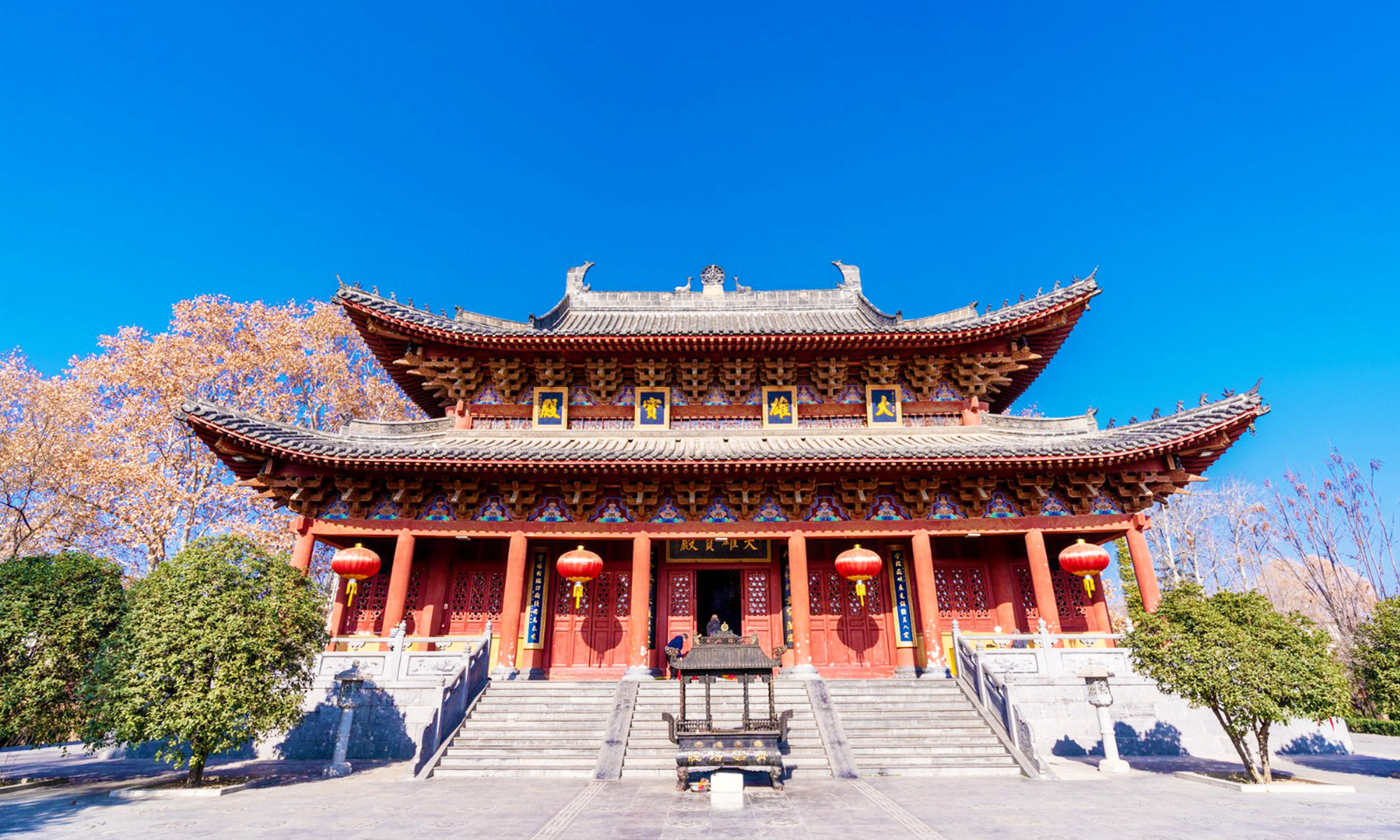
يمتلك معبد الحصان الأبيض تاريخًا يزيد عن 1900 سنوات. معبد الحصان الأبيض هو أول معبد تم بناؤه منذ انتشار البوذية في الصين خلال عهد أسرة هان (206220 قبل الميلاد - م). وفقًا للسجلات التاريخية, رأى الإمبراطور مينغدي من أسرة هان الشرقية حلمًا برجل ذهبي يطير فوق الفناء. بعد أن استيقظ, أرسل الإمبراطور كاي ين وتشين جينغ كمبعوثين إلى المناطق الغربية لدعوة بوذا وتعلم البوذية. واجه المبعوثان الكثير من الصعوبات والتقيا اثنين من الشخصيات الهندية البارزة وهي شِي مو تنغ وتشو فالان في الطريق. Cai Yin and Qin Jing came back to Luoyang City with the two monks, and a white horse carrying the sutras. Emperor Mingdi ordered the construction of the temple to the north of the imperial road outside the Xiyong Gate of Luoyang City. The White Horse Temple, built after the style of Indian temples, was the place for She Moteng and Zhu Falan to translate Buddhist sutras and write sermons. In order to memorize the white horse for its carrying back of the sutras, the temple was named the White Horse Temple.
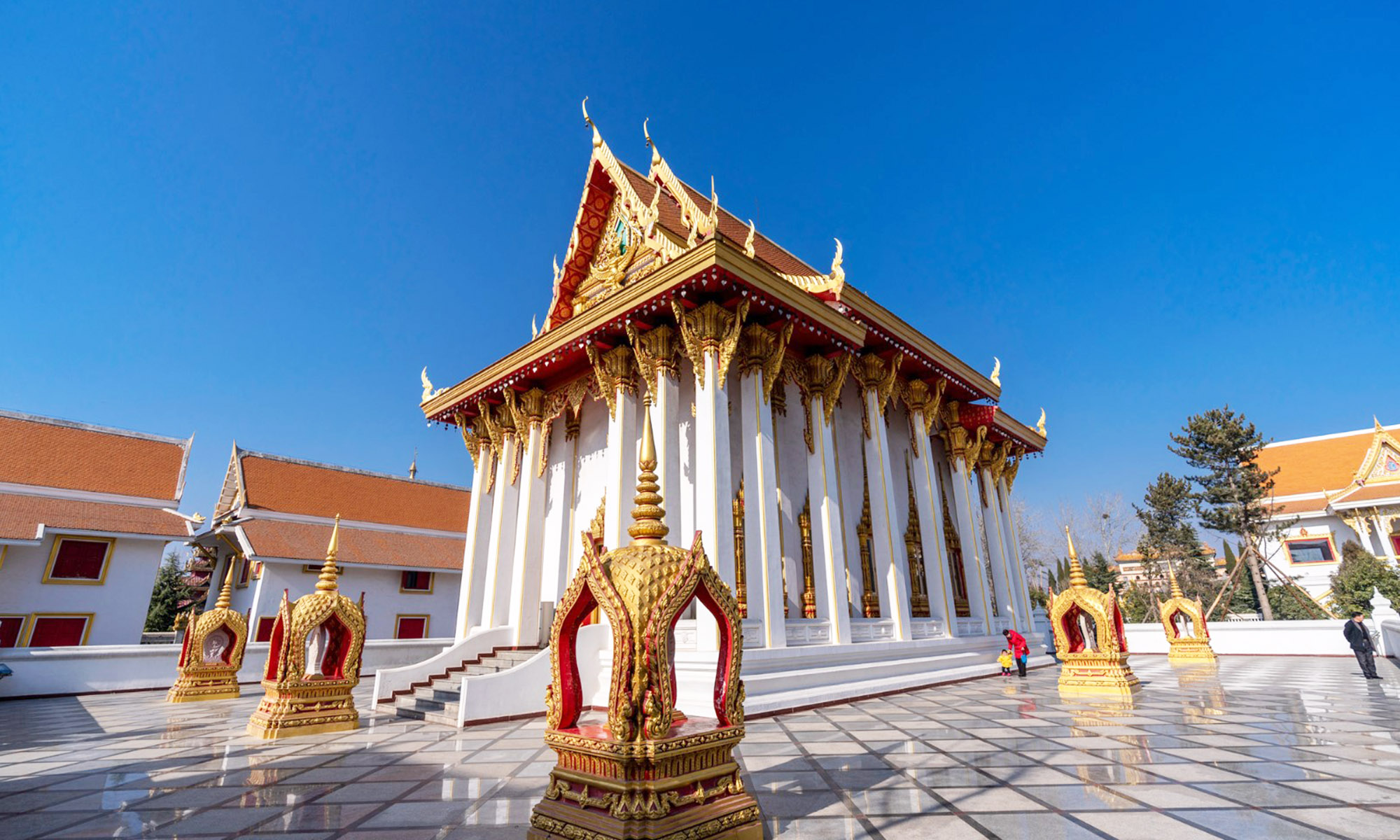
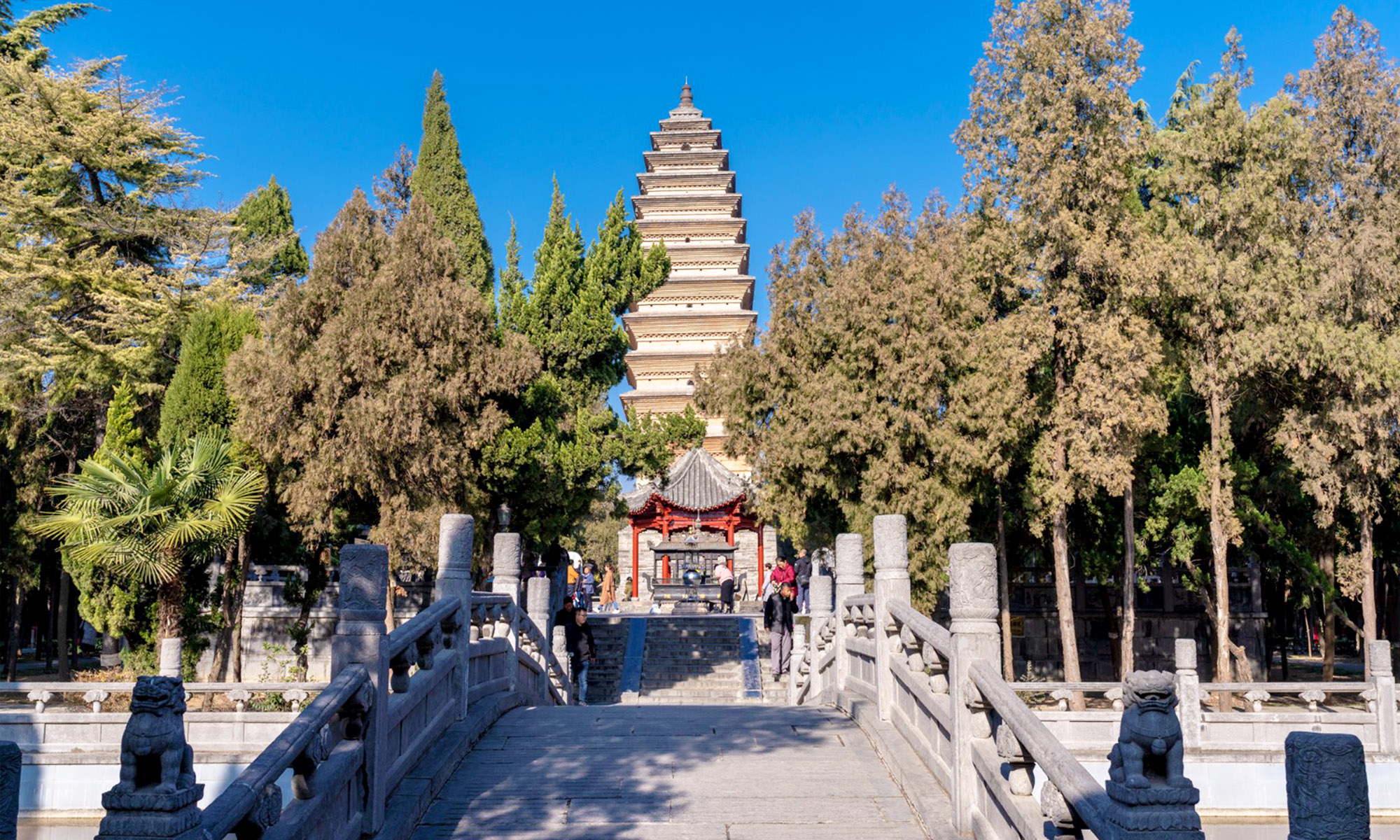
The main temple buildings, a large complex, were reconstructed during the Ming (1368 إلى 1644) and Qing (1644 إلى 1912) dynasties. They were refurbished in the 1950s, and again in March 1973. It has numerous halls divided by courtyards and manicured gardens, covering an area of about 13 hectares (32 فدادين). The display plaques in Chinese and English give ample descriptions of the Buddhist deities installed in the halls. Significant statues include Śākyamuni Buddha, Maitreya (the laughing Buddha in China), the Jade Buddha, figures of saints such as Guru Avalokiteśvara, Amitābha and arhats and stone statues of the two white horses which brought the Indian monks to China and two mythical lions at the entrance.
How to get to White Horse Temple
• Take bus 56/K56, 58/K58, أو 87 to Baimasi.
• Rent a car/bus from GGC to enjoy a hassle free private transfer from hotels in Luoyang to White Horse Temple.
Additional travel advice on White Horse Temple
• White Horse Temple is a religious site, so visitors should dress modestly and behave with good manner. Keep quiet in the temple.
• There are two stone-caved horses made in Song Dynasty outside the gate of the temple. To protect the relics, do not ride or do scribbles on the horses.