+86-29-8964-0200
info@islamichina.com

Introducing Xian City Wall
Xi’an City Wall is 13.74 kilometers long (8.5 mile). The City Wall of Xian is the largest and the only complete ancient city wall in China. Xian City Wall exhibits the complete features of the rampart architecture of feudal society. The heritage site is in the tentative list of UNESCO’s World Heritage Sites. It encloses an area of 11.3 square kiliometer (4.4 square mile) of old Xi’an city center in a rectangular circuit. Part of today’s Ming Dynasty City Wall of Xian was built on the Sui & Tang Dynasty Imperial City Wall of Chang’an. The earthen body of the wall from the West Gate to the South Gate was originally built in 582 during the Sui Dynasty. It was continuously used as the wall of the Imperial City of Chang’an during the Tang Dynasty from 618 إلى 907. بدأ بناء سور مدينة شيان في عهد أسرة مينغ 1370, تم دمج سور المدينة الإمبراطوري الأصلي من عهد أسرة تانغ في الأجزاء الغربية والجنوبية من السور. تم تمديد القسم الجنوبي من سور المدينة الإمبراطوري لعهد تانغ إلى الشرق أكثر. تم توسيع الأجزاء الشرقية والشمالية من السور إلى الحجم الحالي. في 1370, بدأ بناء سور مدينة شيان بالعمل بالمعاول على الخندق أولاً, ثم نُقلت التراب إلى موقع السور, ودُك بالكلس السريع ومستخلص الأرز اللزج. بعد 8 سنوات من العمل الشاق, تم الانتهاء من السور أخيرًا في 1378.
حقائق سريعة عن سور مدينة شيان
• الاسم الصيني: سور مدينة شيان 西安古城墙
• أفضل وقت للزيارة: مارس – June / September – November
• ساعات الزيارة الموصى بها: 1 ساعة
• ساعات العمل: البوابة الجنوبية: 8:00- 22:00; بوابة هانغوانغ: 8:00-17:30;
بوابات أخرى: 8:00 إلى 18:00 من نوفمبر. 01 حتى أبريل. 30 / 8:00-19:00 من مايو 01 إلى أكتوبر. 31
• رسوم الدخول: ¥54 لكل شخص
تاريخ سور مدينة شيان القديمة
في شهر مارس 1369, احتل جيش أسرة مينغ مدينة فنغيوان التابعة لسلالة يوان المغولية وغير الاسم إلى شيان. في 1370, بدأ بناء سور مدينة شيان في عهد أسرة مينغ بتعليمات من تشو يوانتشانغ - أول إمبراطور لأسرة مينغ, مع الفكرة لبناء أسوار عالية, تخزين كمية كبيرة من المؤن وأخذ الوقت الكافي للمطالبة بالعرش. عمل مئات الآلاف من الرجال 8 سنوات على هذا السور الضخم حتى اكتماله في 1378. بعد النجاة من سنوات الحروب وتقلبات السلالات, كان السور على وشك الهدم في خمسينيات القرن العشرين. في ذلك الوقت, كانت أسوار المدن تُرى من قبل الرئيس ماو كموروث إقطاعي يعيق التقدم الاجتماعي الذي وعد به القفزة العظيمة للأمام. Xi’an’s City Wall was saved in part by a renowned historian who opposed the wall’s destruction and successfully lobbied then Secretary-General of the State Council Xi Zhongxun, father of current Chinese President Xi Jinping, to spare the wall. في 1983, it was refurbished as the closed-circuit network that exists now.
Ancient Defence Fortification
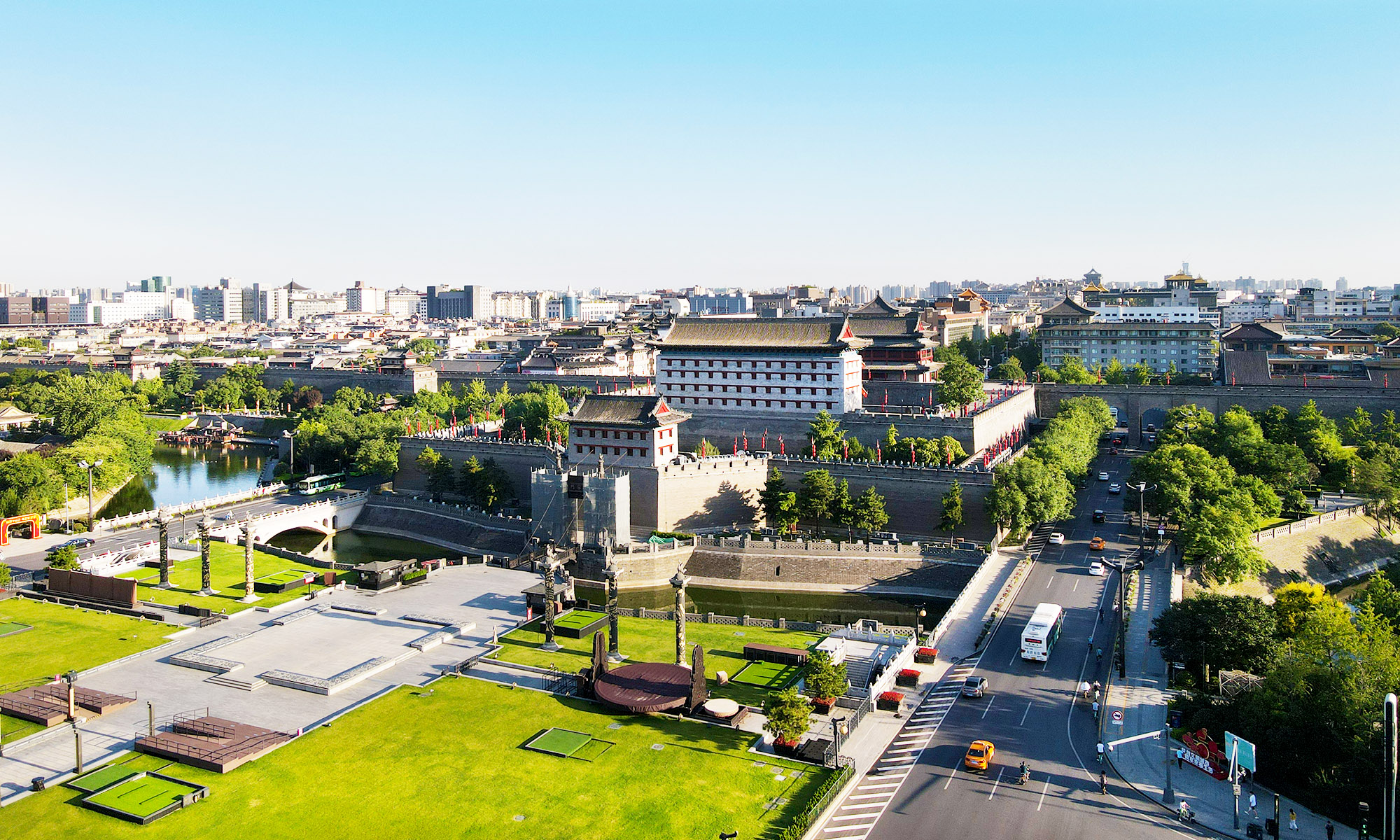
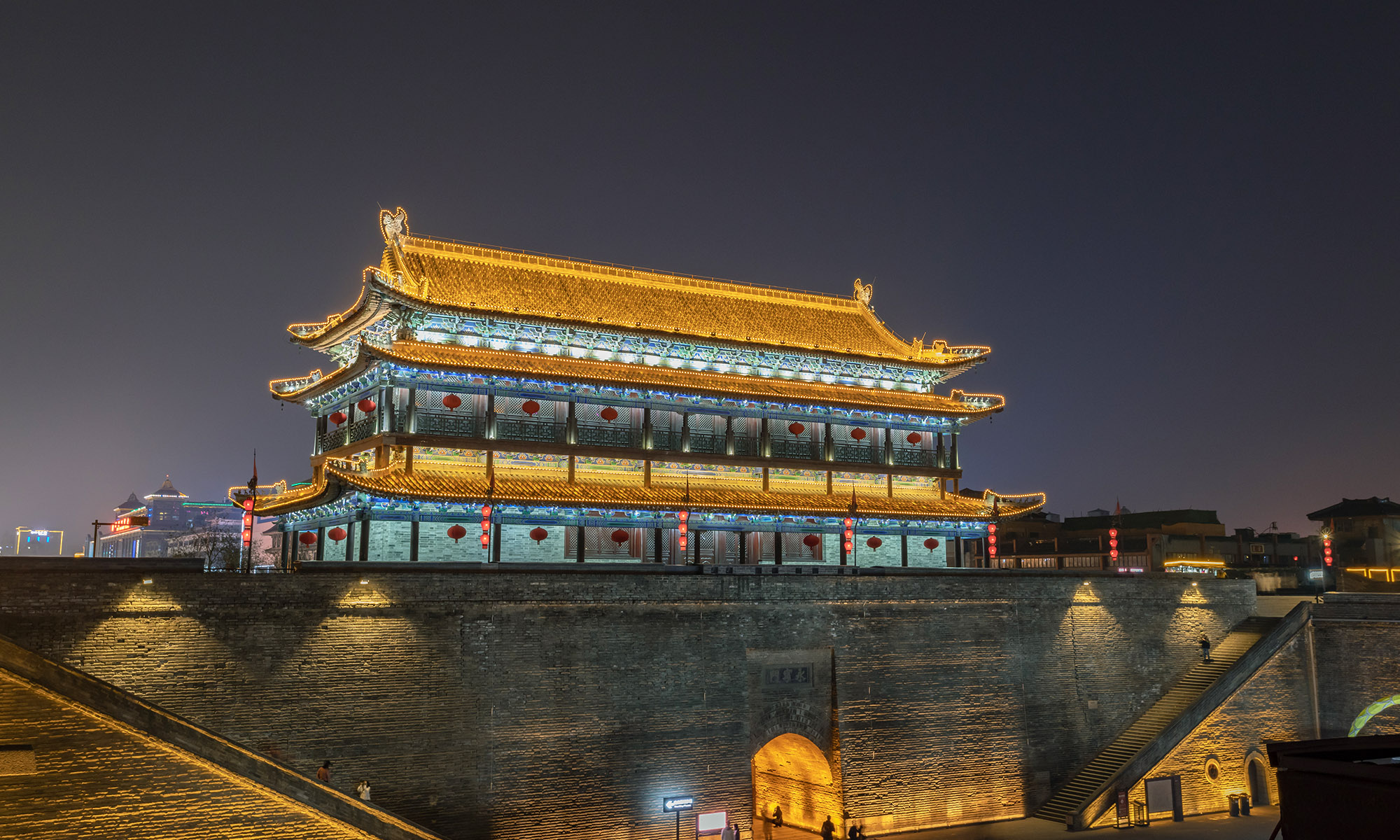
Xian City Wall was once one of the most impressive military defense systems in the world. It is rectangular in shape, with almost all stretches having seen some kind of restoration or rebuilding. As a defence fortification, it was constructed with a moat, drawbridges, watch towers, corner towers, protruding parapets and gate towers. The wall stands 12 أمتار (39 feet) high; the base is 15 meters to 18 أمتار (49 إلى 59 feet) wide, while it is 12 meters to 14 أمتار (39 إلى 46 feet) wide at the top. Protruding ramparts were built at intervals of 120 أمتار (390 feet), projecting from the main wall, to allow soldiers to shoot enemies trying to climb the wall. A total of 98 protruding ramparts are found. Towers are built on top of protruding ramparts allowing defenders to have a bird’s eye view over both the city and its surroundings. There are parapets on the outer side of the wall, built with 5,984 crenels. So far, there are eighteen city gates encircling the wall, including four main ones: East Gate (Changle Gate), West Gate (Anding Gate), البوابة الجنوبية (Yongning Gate) and North Gate (Anyuan Gate). These four gates are also the original gates of the Ming Dynasty city wall. The South Gate (Yongning Gate) is the most time-honored and magnificent one among all the gates. Important greeting ceremonies organized by the Provincial Government are usually held in the South Gate Square.
The South Gate
This South Gate was first built in 582 during the Sui Dynasty, كان أحد البوابات المفتوحة في جنوب شرق المدينة الإمبراطورية في فترة سوي وتانغ تشانغآن. في 1370, بدأ بناء سور مدينة شيان في عهد أسرة مينغ. تم توسيع بوابة سوي وتانغ وأصبحت البوابة الأكثر أهمية في مدينة شيان في عهد أسرة مينغ. اليوم, البوابة الجنوبية هي أقدم وأعظم بوابة من البوابات الأربع الرئيسية للسور. البوابة الجنوبية هي عرض للحصون الدفاعية خلال عهد أسرة مينغ. تم بناؤها بخندق مائي, وجسر متحرك, وبرج مراقبة ذو فتحات للرمح, وبرج للرماية وبيت البوابة الرئيسي. تم تدمير برج المراقبة الأصلي ذو الفتحات للرمح بسبب حريق في 1926 أثناء الحرب الأهلية, وأعيد ترميمه في 2014. يقف بعض المسافة أمام بيت البوابة الرئيسي, يسمى برج الرماية بهذا الاسم بسبب صفوف مواقع الرماية فيه, منه يمكن للمدافعين إطلاق المقذوفات على المهاجمين. تم تدمير برج الرماية الأصلي من عهد أسرة مينغ بسبب حريق في الحرب الأهلية 1926. تم ترميمه في 2014.
البوابة الغربية
مثل البوابة الجنوبية, تم بناء البوابة الغربية لأول مرة في 582 during the Sui Dynasty. تم استخدامها كواحدة من البوابات المفتوحة للمدينة الإمبراطورية خلال عهد أسرة تانغ. تم بناء المباني الحالية بين 1374 و 1378 أثناء عهد أسرة مينغ.
البوابة الشمالية
تم بناء البوابة الشمالية في 1370 أثناء عهد أسرة مينغ. في 1911, كانت ثكنات جيش المانشو داخل البوابة الشمالية وكان هذا البرج البوابة بمثابة المستودع. دارت معركة شرسة هنا عند البوابة الشمالية بين الجيش الثوري وجيش المانشو خلال الثورة الصينية عام 1911. تم إحراق برج البوابة بالكامل. أنهت هذه الثورة آخر أسرة إمبراطورية في الصين, أسرة تشينغ التي قادها المانشو, وأدى ذلك إلى تأسيس جمهورية الصين.
البوابة الشرقية
تُسمى البوابة الشرقية أيضًا بوابة تشانغلي. تشانغلي تعني الفرح اللانهائي. تم بناؤها في 1374 أثناء عهد أسرة مينغ. عندما قام لي زيشنغ, زعيم ثورة الفلاحين في نهاية سلالة مينغ, بالهجوم على شيآن من البوابة الشرقية, أخبر جيشه أنه إذا تلقى الأباطرة الفرح اللانهائي, سوف يعاني الناس لفترة طويلة. تم إحراق أبراج البوابة على يد المتمردين. تم إعادة بناء كل من برج الرماية وبرج البوابة خلال عهد أسرة تشينغ.
البربكان
الجدران المساعدة, تمتد بشكل عمودي على الجدار الرئيسي, ربط برج الرماية مع دار البوابة الرئيسية, محاطة بمنطقة مستطيلة تسمى البربكان. تعمل هذه المنطقة كمنطقة عازلة, إذا تم اقتحام البوابة الأولى. اسمها الصيني, “جدران الجر”, refers to the intended strategy whereby attackers coming through the archery tower would be trapped in the barbican, open to attack from all sides. Hence the Chinese idiom: catch a turtle in the jar, meaning go after an easy prey.
The Moat
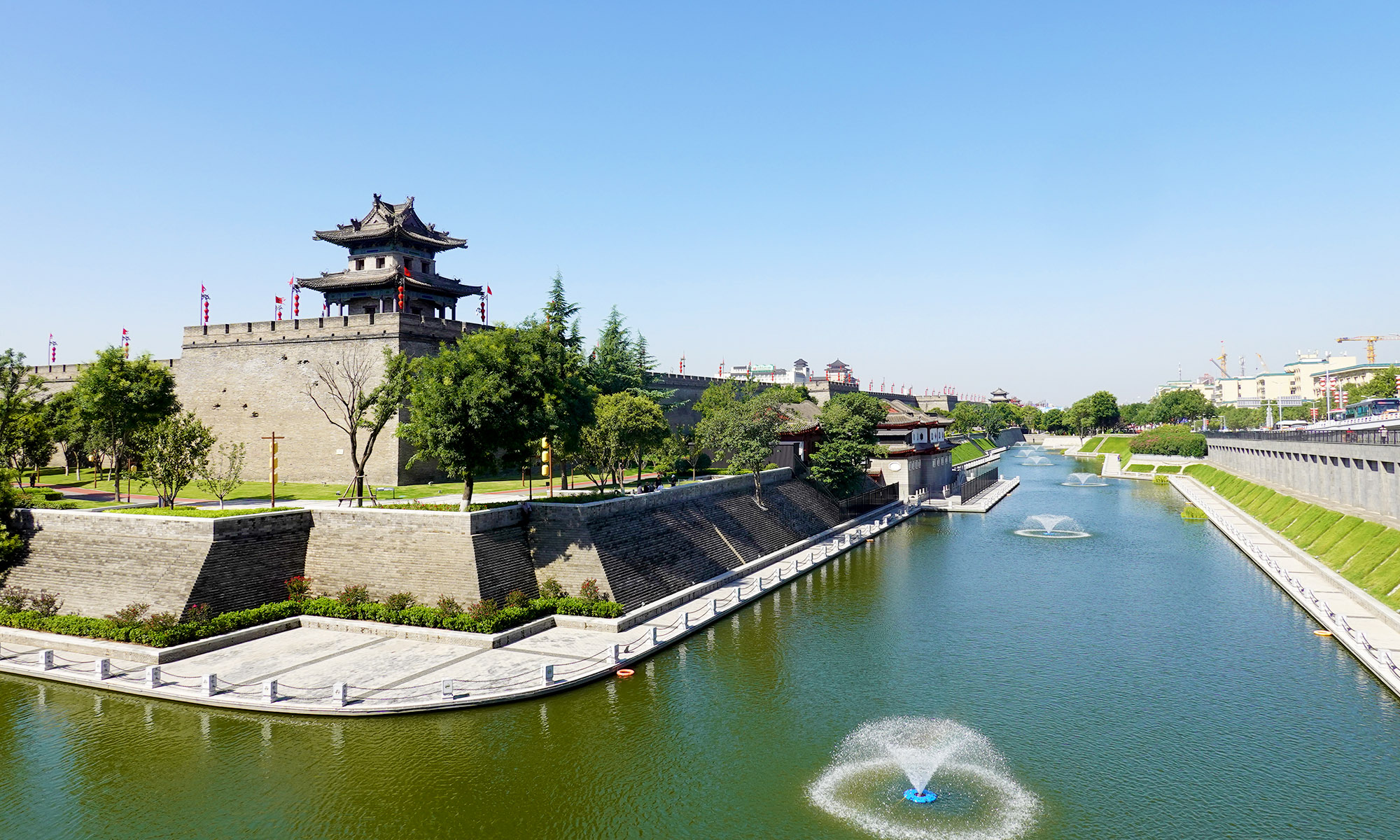
Located outside the city wall, the moat played an important defensive role in times of war. It kept the invaders at a distance, and prevented them from getting close to the wall. Attackers had to construct bridges in order to reach the top of the wall, thus exposing themselves to the defenders of the city. في 1370, بدأ بناء سور مدينة شيان بالعمل بالمعاول على الخندق أولاً, ثم نُقلت التراب إلى موقع السور, ودُك بالكلس السريع ومستخلص الأرز اللزج. The moat is 148 feet wide and 16 feet deep. Four drawbridges was built on the moat which served as the entrance to the city on its four gates.
Corner Ramparts & Corner Towers
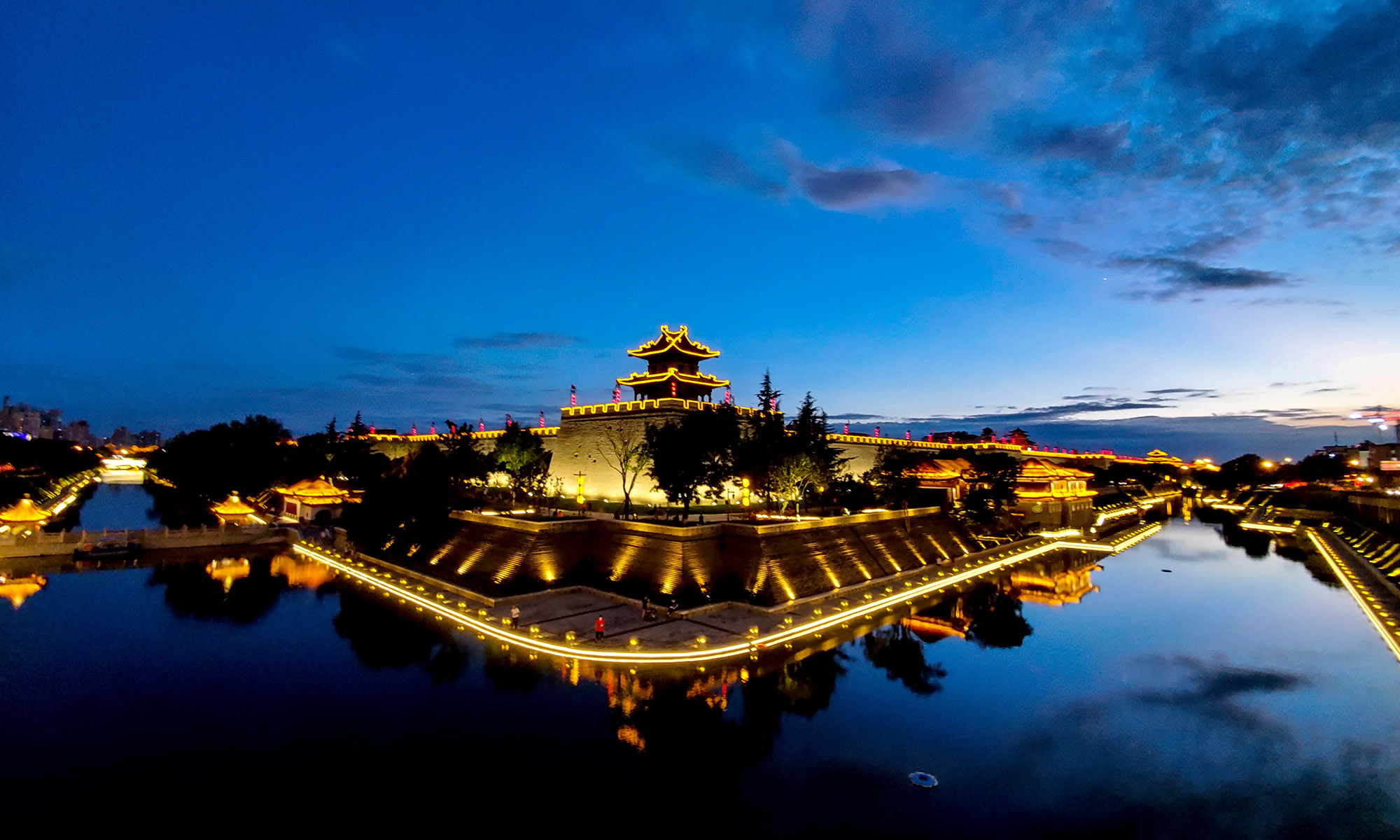
Corner ramparts and towers were placed where two walls joined. لقد منحوا المدافعين رؤية شاملة للمدينة وما يحيط بها. سور مدينة شيان على شكل مستطيل. تم بناء أربع حصون وأبراج في الزوايا على السور. على عكس الزوايا الثلاث الأخرى التي كانت مربعة الشكل. الحصن البارز في الزاوية الجنوبية الغربية دائري. السبب قد يكون أن هذا الحصن عبارة عن بقايا من عهد أسرة يوان المنغولية. المنغول يعيشون في خيام محمولة, دائرية الشكل, تسمى الخيمة المنغولية (اليرت). عندما حكم المنغول مدينة شيان 1312, تم بناء زوايا سور المدينة بشكل دائري لتشبه خيمتهم الدائرية. في 1370, عندما تم توسيع السور خلال عهد أسرة مينغ, ترك فقط هذا الحصن الدائري بينما تم بناء الثلاثة الآخرين على شكل مربع.
مراسم الترحيب في أسرة تانغ
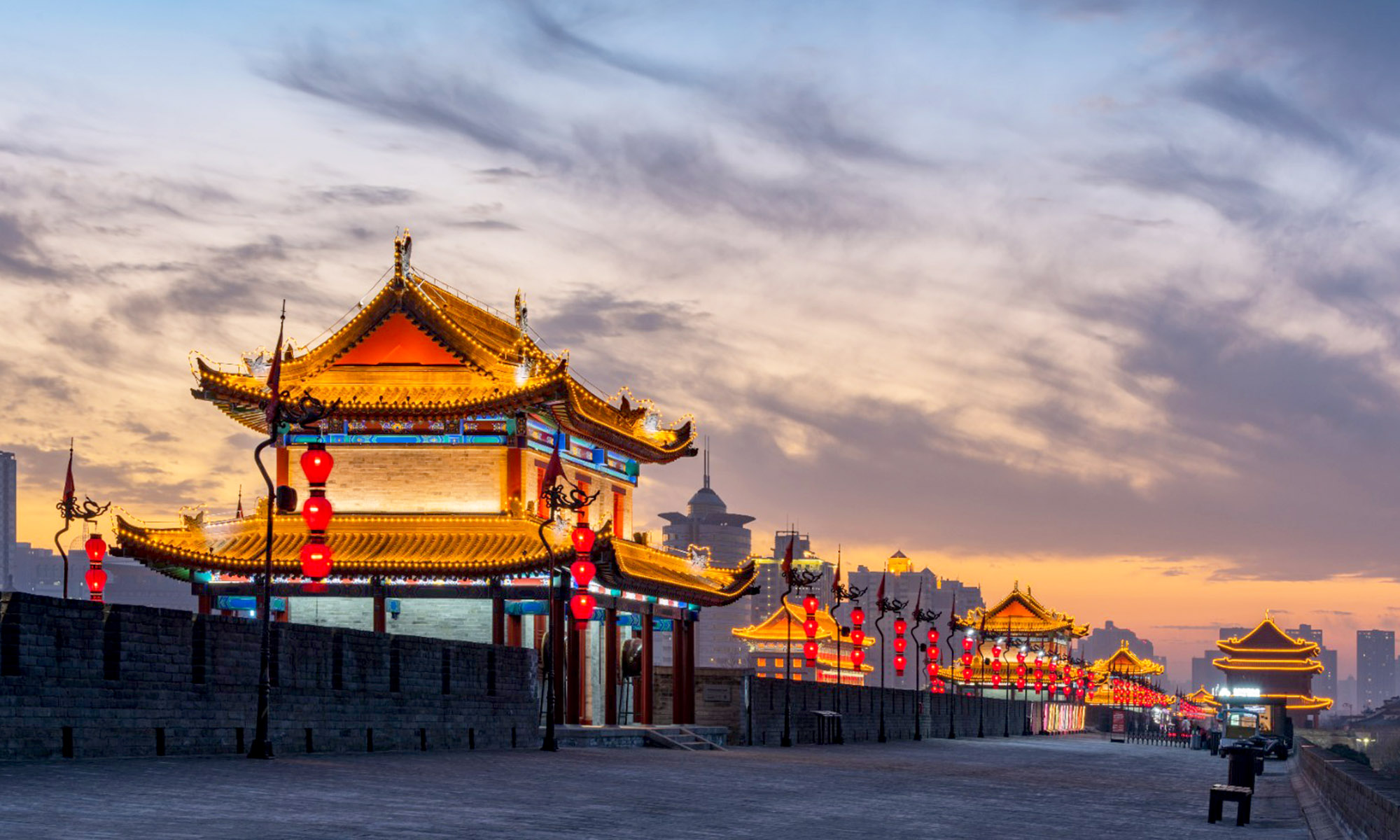
One of the highlights at the South Gate is a feast of interesting performances showcasing the charm of the bygone times of Xian. Called Tang Dynasty Welcome Ceremony, the ceremony made its debut in 1996. It is a faithful re-enactment of a classical welcoming ceremony in the style of Tang Dynasty, with warriors in Tang dynasty golden armors, maidens in beautiful Tang dynasty costumes. Red lanterns hung from the lampposts, and bright silk banners bearing images of mythical birds of good fortune. The former US president Bill Clinton was the first foreign leader to attend the ceremony in 1998.
Walking and Biking Tours
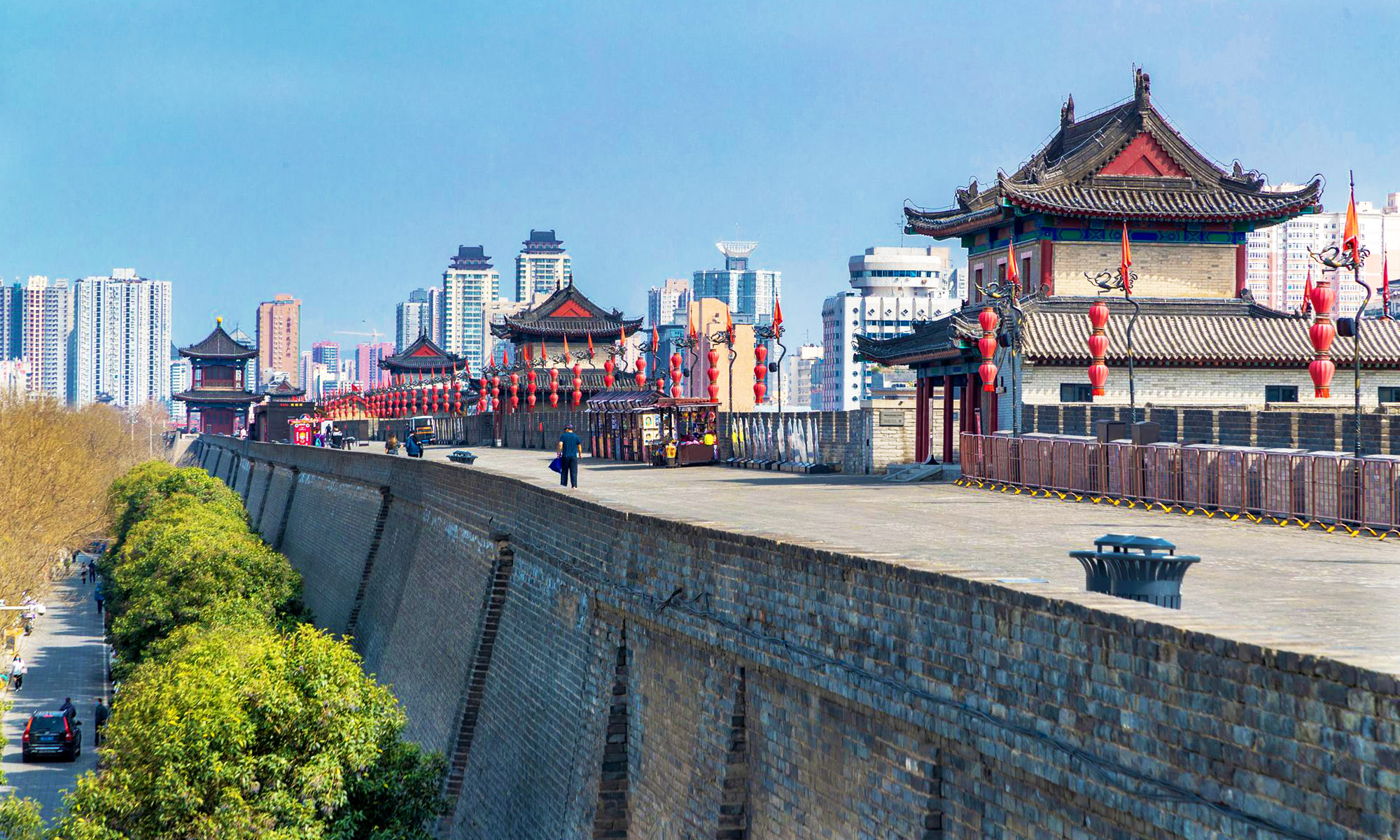
Along the top of the wall is a walkway and has become a city playground. Walking and biking tours atop the wall have become popular with locals and tourists. It takes about 4 hours of walking to traverse this 8.5 mile long wall. The bumpy, 2 hour ride offers a unique perspective on the two faces of Xi’an, modern Xi’an and the old city center. Outside the wall, high-rises and highways reveal new wealth. Inside the wall, the 4.4 square mile old Xi’an comprises low, ancient buildings. No skyscrapers are allowed inside the city wall.
Xi’an City Wall International Marathon
The annual Xi’an City Wall International Marathon is a local highlight. Since 1993, thousands of athletes from China and overseas gather on the first Sunday in November to compete on this special track.
How to get to Xian City Wall
There are eight points for ascending the City Wall: البوابة الجنوبية, East Gate, West Gate, North Gate, Heping Gate, Wenchang Gate, Hanguang Gate and Shangde Gate. The following are the ways to get to the four main gates of the Wall:
To South Gate (Yongning Gate)
• خذ خط المترو 2 to Yongningmen Station (Exit D1).
• Take bus No.6, 11, 12, 23, 46, 215, 239, 258, 600, 603, 608, 910, K600, إلخ.
To East Gate (Changle Gate)
• Take bus No.8, 22, 27, 29, 33, 37, 43, 45, 102, 203, 218, 235, 252, 300, 527, 602, 604, أو 903, إلخ.
To North Gate (Anyuan Gate)
• خذ خط المترو 2 to Anyuanmen Station (المخرج B،).
• Take bus No.6, 26, 28, 33, 37, 39, 117, 205, 208, 214, 229, 236, أو 511, إلخ.
To West Gate (Anding Gate)
• Take bus No.4, 10, 15, 23, 31, 201, 205, 206, 215, 221, 222, 223, 300, 407, 504, 611 أو 701, إلخ.
Additional travel advice on Xian City Wall
• It takes 2 hours to cycle the entire wall. Two-hour bike rental costs RMB45 ($7).
• It takes about four hours to walk around the wall.
• Bring a bottle of water with you because there may no vendors selling drinks on the Wall.